Budae Jjigae for Beginners: A Healthy, Easy Diet Version
Key Takeaways
Learn to make a healthy diet Budae Jjigae with simple steps. This beginner-friendly guide helps you enjoy Korean Army Stew while keeping it light and flavorful.
Budae Jjigae for Beginners: A Healthy, Easy Diet Version
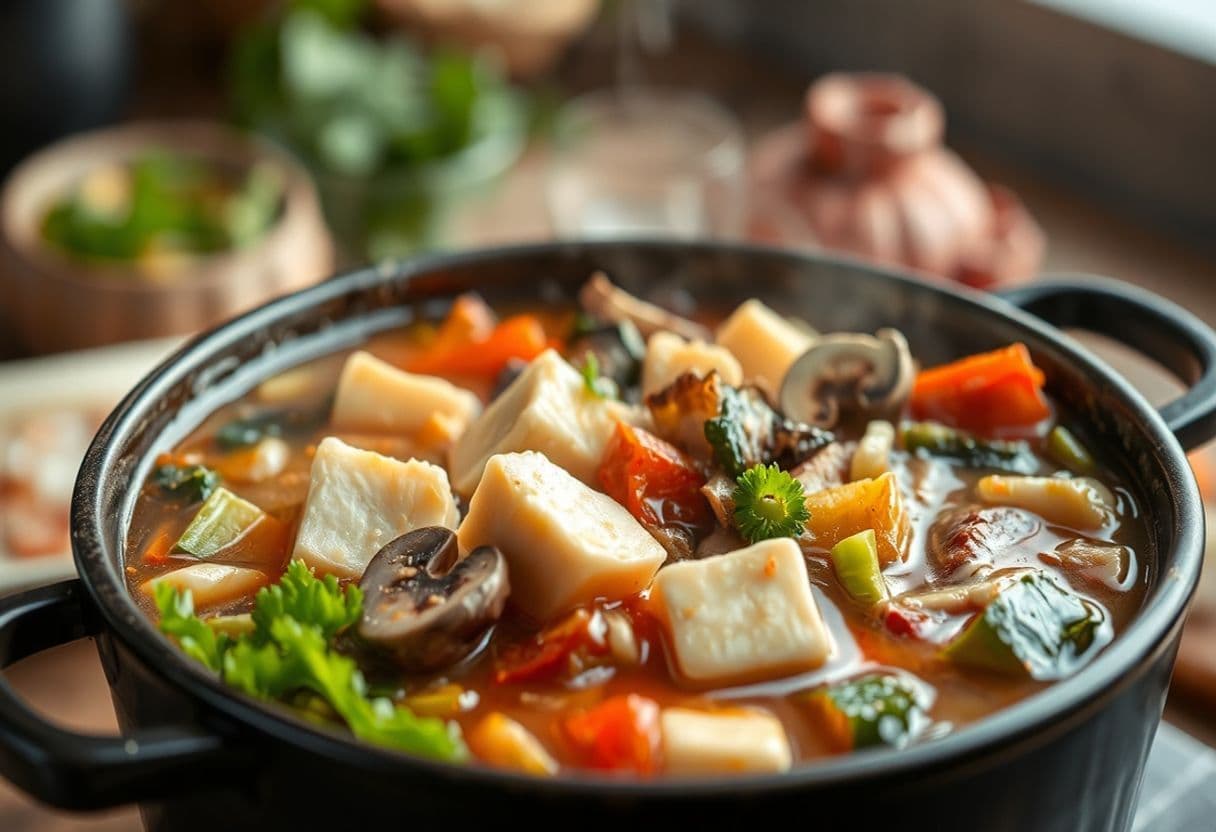
Most people assume that Budae Jjigae, or Korean Army Stew, is inherently a guilty pleasure – a hearty, indulgent meal packed with processed meats and a rich, sometimes heavy broth. But in practice, with a few smart substitutions and a focus on fresh ingredients, it transforms into a surprisingly balanced and delicious meal that can absolutely fit into a healthier eating plan. I've often found myself craving its comforting flavors but wanting something lighter, and after years of experimenting, I've landed on a version that's both authentic in spirit and kind to my waistline.
What You'll Need for a Healthier Budae Jjigae
Creating a diet-friendly Budae Jjigae doesn't require a complete overhaul of your kitchen, nor does it demand expensive or hard-to-find ingredients. The key is making thoughtful choices about your components. You'll need some basic kitchen tools, nothing fancy – a large pot or a shallow pan suitable for simmering on the stovetop, a cutting board, and a sharp knife are usually sufficient. As someone who's abandoned complicated recipes halfway through, I promise this list is manageable.
Essential Ingredients for a Lighter Stew
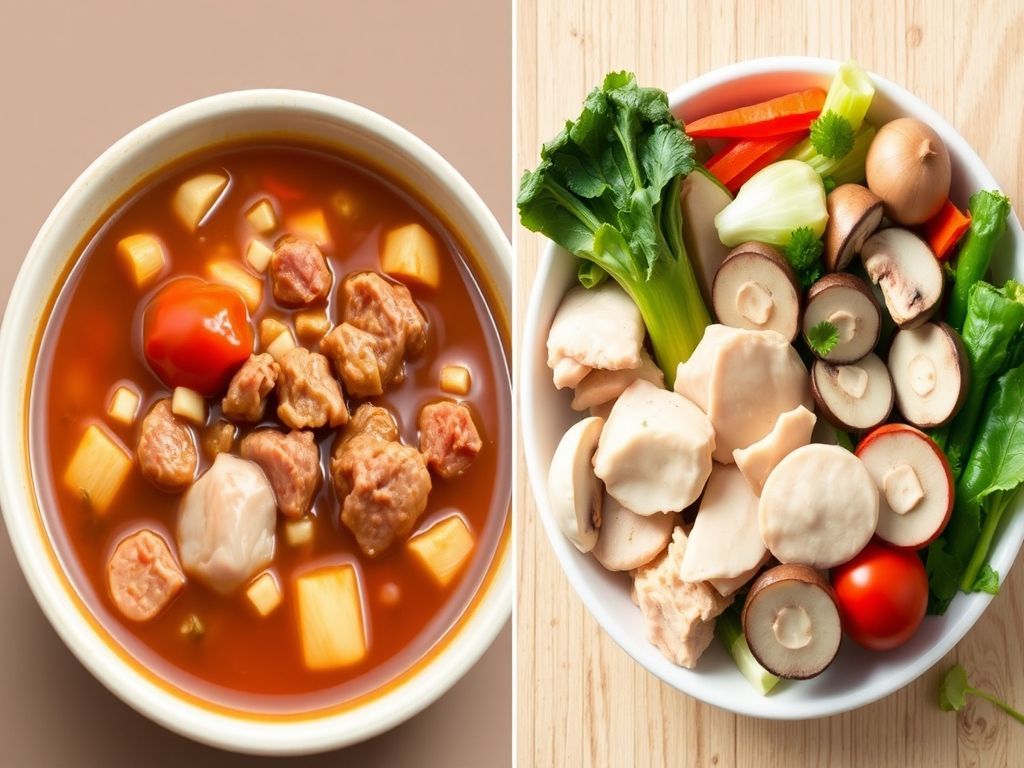
- Broth Base: Instead of traditional beef broth, which can be heavy, I prefer a low-sodium chicken or vegetable broth. Look for brands with around 300-400mg of sodium per serving (about 240ml). You'll need approximately 4-5 cups (about 1 liter). In my experience, a good broth is the foundation of flavor, so don't skimp here.
- Lean Protein: This is where the 'diet' aspect really shines. Skip the fatty hot dogs and Spam. Instead, opt for:
- Firm Tofu: About 200g, cut into 1.5 cm cubes. It absorbs flavor beautifully and adds plant-based protein.
- Lean Chicken or Turkey Sausage: Choose a low-fat, low-sodium variety. 150-200g, sliced. I often find a good chicken apple sausage works surprisingly well if you're looking for a hint of sweetness.
- Mushrooms: 100-150g of mixed mushrooms like shiitake, enoki, or oyster mushrooms add incredible umami and texture. They're also wonderfully low in calories.
- Fresh Vegetables: This is your chance to load up on nutrients. Aim for a total of 300-400g.
- Napa Cabbage: About 200g, roughly chopped. It softens beautifully and adds a subtle sweetness.
- Onion: Half a medium onion, thinly sliced.
- Scallions: 2-3 stalks, chopped into 5 cm lengths.
- Zucchini or Kimchi: Half a medium zucchini, thinly sliced, or 100g of well-fermented kimchi (the star of the show!). If using kimchi, try to find a brand with lower sugar content.
- Spicy Sauce Components: This is where the iconic flavor comes from. My go-to proportions for a balanced, medium-spicy sauce are:
- Gochujang (Korean Chili Paste): 2 tablespoons. This provides a deep, savory heat.
- Gochugaru (Korean Chili Flakes): 1.5 tablespoons. For bright red color and adjustable heat.
- Soy Sauce: 1 tablespoon (low sodium, if possible).
- Minced Garlic: 2-3 cloves, finely minced.
- Sugar Substitute or Honey: 1 teaspoon (or a tiny pinch of stevia/erythritol) to balance the spice. I usually use a tiny bit of honey.
- Noodles (Optional, but recommended for satisfaction): Instead of ramen noodles, which are often fried, I use:
- Glass Noodles (Dangmyeon): 50g, pre-soaked in warm water for 10 minutes, then drained. These are made from sweet potato starch and are a lighter option.
- Konjac Noodles: An even lighter alternative, usually found pre-packaged. About 150g, rinsed well.
Mindset for Success
Before you even start chopping, cultivating the right mindset is crucial, especially for beginner cooks. My personal mantra for healthy eating is 'satisfaction over deprivation.' Don't approach this thinking you're missing out; instead, focus on the vibrant flavors and fresh textures you're gaining. Be open to experimenting, and remember that cooking is a journey, not a destination. If one ingredient swap doesn't quite hit the mark for you, try another next time. The goal is a delicious meal that makes you feel good, not just one that adheres strictly to a calorie count.
How Do You Make a Diet Budae Jjigae Step-by-Step?
The process of making Budae Jjigae is surprisingly forgiving, which is why I love it. Even if you're a novice in the kitchen, you can achieve a delicious result. The trick is preparation and layering flavors.
Step 1: Prepare Your Broth and Sauce
This step is the flavor foundation. A good broth and a well-mixed sauce are paramount.
- Warm the Broth: Pour your 4-5 cups of low-sodium chicken or vegetable broth into your large pot or shallow pan. Bring it to a gentle simmer over medium heat. Don't let it boil vigorously yet; a gentle warmth is all you need for now. *Common failure point: Using a heavily salted broth. This can make your entire stew too salty, and it's very difficult to correct later. Always taste your broth first.
- If it tastes too salty, add a cup of water to dilute it slightly.
- Mix the Sauce: In a small bowl, combine the 2 tablespoons of gochujang, 1.5 tablespoons of gochugaru, 1 tablespoon of low-sodium soy sauce, 2-3 cloves of minced garlic, and 1 teaspoon of sugar substitute or honey. Stir it vigorously with a spoon until it forms a smooth, thick paste. This paste is the heart of your stew's flavor. Make sure there are no lumps of gochujang. I usually add a tablespoon or two of the warm broth to help loosen it up and make it easier to mix.
Step 2: Arrange Your Ingredients Artfully
Presentation matters, even for a simple stew. Arranging your ingredients nicely in the pot not only looks good but also allows for more even cooking.
Layer the Bottom: Start by spreading the chopped Napa cabbage and sliced onions evenly across the bottom of your pot. These vegetables release moisture and create a flavorful base as they cook down.
Add Your Proteins: Next, artfully arrange your lean proteins. Place the cubed firm tofu, sliced chicken/turkey sausage, and any mushrooms you're using in separate sections on top of the cabbage and onions. This makes it easy to scoop out a bit of everything later.
Introduce Kimchi and Other Veggies: If using kimchi, place a generous mound in the center of the pot. Surround it with your sliced zucchini and half of the chopped scallions. The kimchi will infuse the entire stew with its characteristic tangy, spicy flavor. *Common failure point: Overcrowding the pot. While Budae Jjigae is meant to be hearty, too many ingredients can prevent even cooking and make it difficult to stir without making a mess. Ensure there's enough space for the broth to circulate.
- If your pot feels too full, save some vegetables for a second batch or another meal.
- Spoon on the Sauce: Carefully spoon your pre-mixed spicy sauce over the center of the arranged ingredients, particularly over the kimchi and some of the proteins. This allows the sauce to dissolve gradually into the broth as it simmers.
Step 3: Simmer, Taste, and Serve
This is the final stretch where all the flavors meld together into a delicious harmony.
Bring to a Boil: Once all ingredients are arranged, increase the heat to medium-high and bring the broth to a rolling boil. The sauce will begin to dissolve into the broth, turning it a vibrant red.
Add Noodles: As soon as it boils, add your pre-soaked glass noodles or rinsed konjac noodles directly into the simmering broth. Gently push them down to ensure they are submerged.
Simmer and Cook: Reduce the heat to medium-low, cover the pot, and let it simmer for 10-12 minutes. This allows the vegetables to soften, the proteins to cook through, and the flavors to fully meld. During this time, the noodles will cook. *Common failure point: Overcooking the noodles. Glass noodles can become mushy if left in the simmering stew for too long. Keep an eye on them after about 8 minutes.
- They should be tender but still have a slight chew.
- Final Touches and Serve: After 10-12 minutes, check the tenderness of your vegetables and taste the broth. Adjust seasoning if necessary – a tiny pinch of salt or a splash more soy sauce if needed, or a bit more gochugaru for extra heat. Sprinkle the remaining chopped scallions over the top. Serve immediately, directly from the pot if possible, with a bowl of steamed brown rice on the side for a complete and satisfying meal. I always encourage sharing a pot directly from the stove with a few small bowls; it just feels right.
How Can You Tell if Your Diet Budae Jjigae is a Success?
Knowing when you've hit the mark with your healthy Budae Jjigae involves more than just following steps; it's about sensory evaluation. As someone who's made my share of edible but uninspiring meals, I can tell you that a successful stew truly sings.
Flavor Balance
The primary indicator of success is the taste. Your diet Budae Jjigae should offer a harmonious blend of flavors: spicy, savory, slightly tangy from the kimchi, and a touch of sweetness to round it out. No single flavor should overpower the others. If it's too bland, you might need a bit more gochujang or a pinch of salt. If it's too spicy, a tiny bit more broth or a splash of milk (dairy or non-dairy) can mellow it, though I've personally never tried the milk trick with Budae Jjigae. The broth should be rich and comforting, not watery or dull. In my experience, the best versions leave a pleasant warmth on the palate without burning.
Texture Variety
Another key sign is the variety of textures. You want tender, slightly crisp cabbage, soft but not mushy tofu, perfectly cooked noodles with a pleasant chew, and perhaps the slight crunch of fresh scallions. If everything is uniformly soft, it can feel monotonous. The various ingredients should retain their individual characteristics while contributing to the overall mouthfeel. For example, the mushrooms should still have a slight bite, not dissolve into the broth.
Overall Satisfaction
Ultimately, a successful diet Budae Jjigae should be deeply satisfying. It should feel like a wholesome, hearty meal that nourishes you without leaving you feeling heavy or guilty. You should finish your bowl feeling comfortably full and happy, eager to make it again. If you're left craving something else, or feeling like you missed out on the 'real thing,' then it's time to tweak your recipe for next time. My goal with any diet-friendly recipe is to make it so good that I don't even think about what it's 'missing.'
Tips for Enhancing Your Healthy Budae Jjigae
Even after mastering the basic recipe, there are always ways to fine-tune your Budae Jjigae to better suit your taste and dietary goals. After years of making this dish, I've picked up a few tricks.
Ingredient Swaps for Ongoing Variety
- Different Veggies: Don't be afraid to experiment with other vegetables. Spinach, bok choy, bean sprouts, or even thinly sliced carrots can be excellent additions. Just be mindful of their cooking times – add quick-cooking greens like spinach in the last 2-3 minutes.
- More Lean Protein Options: Beyond tofu and chicken sausage, consider adding thinly sliced lean beef (like sirloin or round), shrimp, or even edamame for extra protein and texture. A 100g portion of lean beef or shrimp can boost protein without adding excessive calories.
- Low-Carb Boosters: If you're really watching carbs, increase the amount of non-starchy vegetables and use konjac noodles exclusively. I've also seen people add cauliflower florets, which absorb the broth nicely.
Spice Level and Flavor Depth
- Umami Boost: For an extra layer of savory depth without adding fat, consider adding a teaspoon of mushroom powder (dried shiitake mushrooms ground into a powder) or a small piece of dried kelp (dashima) to your broth as it simmers, removing it before serving. This is a common trick in Korean cooking.
- Fresh Chilis: If you love heat, slice a few fresh red or green chili peppers (like bird's eye chilies) and add them to the stew during the last 5 minutes of simmering. This provides a fresh, pungent spice that's different from gochugaru.
- Taste and Adjust: I cannot stress this enough. Taste your broth and ingredients before serving. It's much easier to add a pinch of salt or a bit more spice than to fix an overly seasoned dish. Make small adjustments, stir, and taste again.
Practical Meal Prep and Storage
- Component Prep: You can pre-chop all your vegetables and slice your proteins a day or two in advance. Store them in separate airtight containers in the refrigerator. You can also mix your sauce components ahead of time and keep it in a small jar. This significantly reduces active cooking time on a busy weeknight.
- Broth Base: Make a larger batch of your preferred low-sodium broth and freeze it in individual portions (e.g., 2-cup containers). This makes throwing together a Budae Jjigae incredibly fast when the craving hits.
- Noodle Timing: If you're making a big batch for leftovers, I recommend cooking noodles separately and adding them to individual portions when reheating. This prevents them from becoming too soggy or absorbing all the broth in the main pot. I've learned this the hard way more than once.
Conclusion
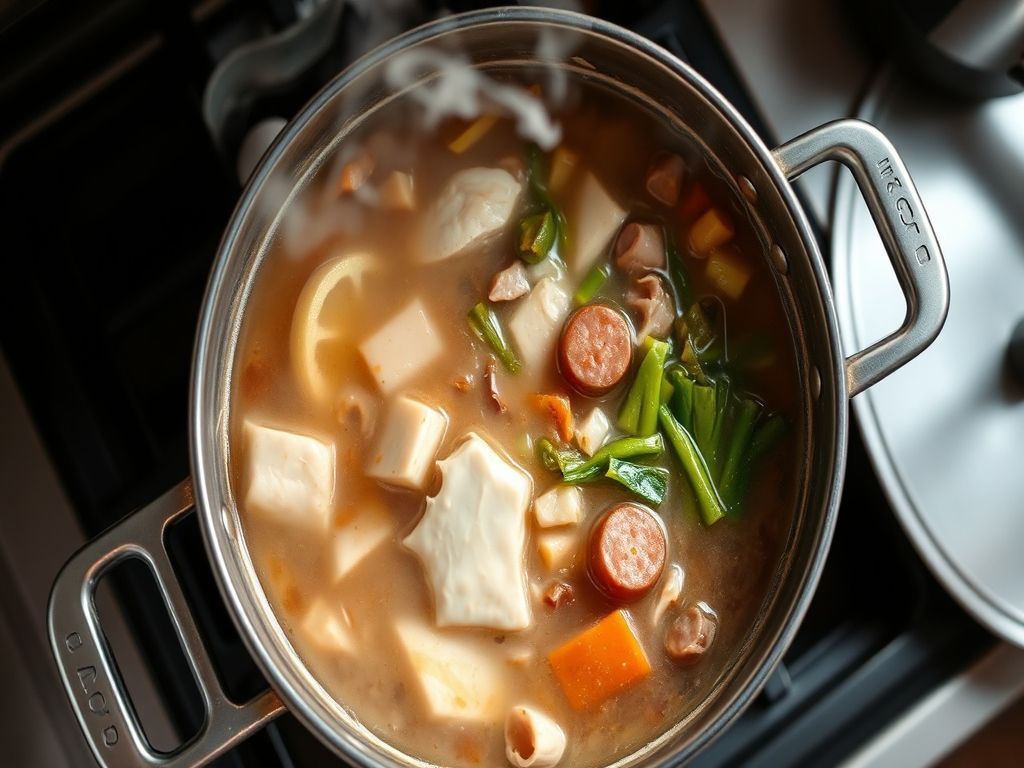
Making a delicious and healthy diet Budae Jjigae is entirely achievable, even for beginner cooks. The key takeaways are embracing thoughtful ingredient substitutions, focusing on fresh vegetables and lean proteins, and understanding how to balance the iconic spicy and savory flavors. Remember, cooking should be an enjoyable process, and a diet version doesn't mean sacrificing taste. With a little preparation and a willingness to experiment, you can transform this comforting Korean stew into a guilt-free pleasure.
So, why not give it a try this week? Gather your ingredients, choose your favorite lean proteins, and embark on a culinary adventure that proves healthy eating can be both easy and incredibly flavorful. Your taste buds, and your body, will thank you.
Previous
Korean Side Dishes for Dieting: My Hard-Won Guide to Preventing Kitchen Fails
Next
Budae Jjigae for Beginners: A Healthy, Easy Diet Version
More in Recipes
Healthy Smoothie Recipes for Vegetarians: Quick Blends
Discover healthy smoothie recipes perfect for vegetarians, focusing on quick prep and nutrient-rich ingredients. Learn to blend delicious, fast meals and avoid common mistakes with practical tips.
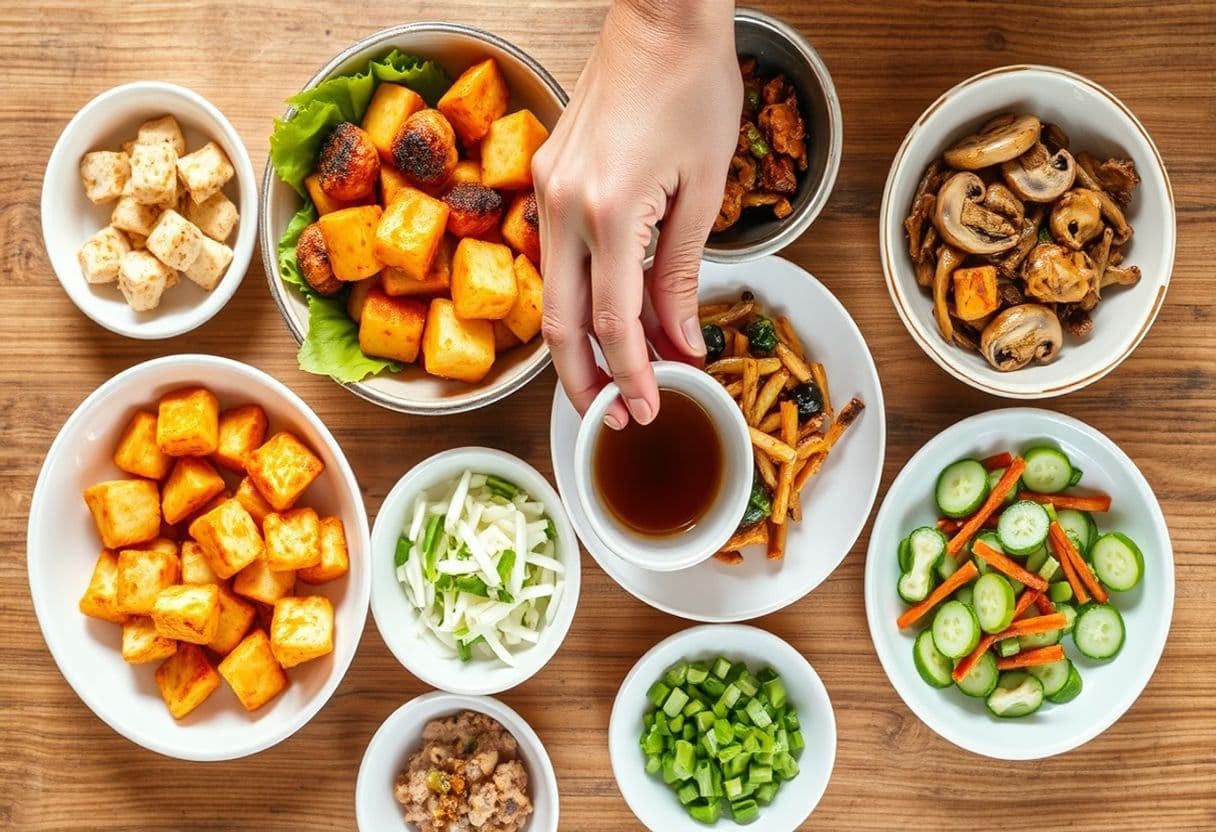
Korean Side Dishes for Dieting: My Hard-Won Guide to Preventing Kitchen Fails
Tired of failed Korean side dishes on your diet? Brian shares his honest journey and hard-won tips for preventing common kitchen mistakes to make delicious, healthy banchan.
Weekend Brunch Recipes for Busy Professionals: My Plant-Forward Tips
Discover stress-free weekend brunch recipes for busy professionals. Natalie shares her plant-forward tips to make delicious, easy meals without sacrificing flavor or your Sunday morning.
Easy Korean Recipes for Beginners: Family Meals Simplified
Discover easy Korean recipes perfect for beginners and picky eaters. Linda, a mom of two, shares practical tips to adapt flavors for the whole family, making weeknight dinners stress-free.