Europe Backpacking Prep: Essential Warnings for a Couple's Smooth Trip
Key Takeaways
Planning a Europe backpacking trip for two? Get essential tips, a practical checklist, and crucial warnings for couples to ensure a smooth, memorable adventure.
Preparing for Europe Backpacking: A Couple's Checklist for a Smooth Trip
The short answer to preparing for a seamless European backpacking trip with your partner is this: relentless, proactive planning and a deep understanding of what *actually
- works on the ground, not just what looks good on paper. Here's why: as a dad who hauls two elementary-age kids across continents 4-5 times a year, I've learned that minimizing friction and maximizing efficiency is the bedrock of any successful trip. Whether you're managing tiny humans or just trying to enjoy a romantic getaway without unnecessary stress, the principles are the same. You want to spend your precious time savoring gelato in Rome or gazing at the Eiffel Tower, not deciphering confusing train schedules or arguing about which way to go in a foreign language under pressure. My goal is always to avoid the unnecessary headaches, and that's exactly what I've learned to do for family trips, which translates perfectly to a smooth couples' adventure.
The Overlooked Statistic: Why Most Trip Plans Falter
When my family travels, I'm constantly aware of the potential for things to go sideways. It's not just my kids' moods; it's the cumulative effect of small stresses. A recent survey by Allianz Partners in 2023, for instance, found that 88% of Americans report experiencing significant stress while traveling. While the survey didn't specifically target couples backpacking, my experience tells me that a large chunk of that stress comes from poor planning, mismatched expectations, and underestimating the friction of travel. For couples, this friction can manifest as anything from minor disagreements to significant arguments, often because one person feels more burdened by the logistics, or expectations for relaxation aren't met.
This isn't just about kids having meltdowns; it's about adults experiencing them too, just in a more 'internalized' way. The context here is that travel, especially fast-paced backpacking, is inherently challenging. It pushes you out of your comfort zone, introduces novelty, and demands constant decision-making. For couples, this means that even small missteps in planning can amplify stress, potentially straining the relationship during what should be a shared, joyful experience. You're constantly together, facing new situations, and if one person is perpetually stressed by the logistics, it impacts both of you.
What this means for you, as a couple preparing for a European backpacking trip, is that proactive planning isn't just about efficiency; it's about safeguarding your relationship and maximizing shared enjoyment. It's about building resilience into your itinerary. Instead of hoping for the best, you need to plan for the inevitable bumps. Based on my own extensive travel, where my wife and I have to be a united front to manage our kids and the itinerary, I've found that open communication and joint ownership of the planning process are absolutely critical. Don't leave one person to shoulder all the burden.
The specific action to take here is to dedicate time *together
- to planning. Sit down, open a map, and talk openly about your individual travel styles, priorities, and non-negotiables. Don't assume your partner wants the same things you do, even if you know them inside out. For example, one of you might dream of visiting every museum, while the other prefers lingering in cafes. Acknowledge these differences and build compromises into your plan from the very beginning. This foundational step alone can prevent countless arguments down the road.
What Are the Absolute Must-Haves for a Smooth European Backpacking Trip?
After countless trips, I've distilled my planning process into a few core principles that apply whether you're solo, with family, or as a couple. These are your non-negotiables for a genuinely smooth European backpacking adventure.
Master Your Itinerary: The 'Flow' Principle
My primary obsession when planning is the 'flow' of the trip. This isn't just about what you see, but how smoothly you transition between experiences. For a couple, this means avoiding unnecessary rushing and building in time for both planned activities and spontaneous moments.
- Realistic Pacing: Don't try to cram too much into each day. I've seen too many itineraries that look great on a spreadsheet but are utterly exhausting in practice. For instance, attempting to see Rome, Florence, and Venice in just five days is a recipe for exhaustion, not enjoyment. Instead, aim for 2-3 full days per major city. This allows for deeper exploration and less frantic movement.
- Buffer Time is Gold: Always, always, always build in buffer time. Trains run late, flights get delayed, and sometimes you just want to sleep in. A 30-minute buffer between activities or travel segments can prevent a domino effect of stress. In my family travels, this is non-negotiable; for couples, it allows for impromptu stops for a coffee or a shared moment without feeling pressured.
- Logical Routes: Plan your route geographically to minimize backtracking and wasted travel time. Moving from north to south, or east to west, across a region makes far more sense than zig-zagging. Use tools like Rome2Rio to visualize travel times and modes of transport between cities.
Packing Smart: Less is Truly More
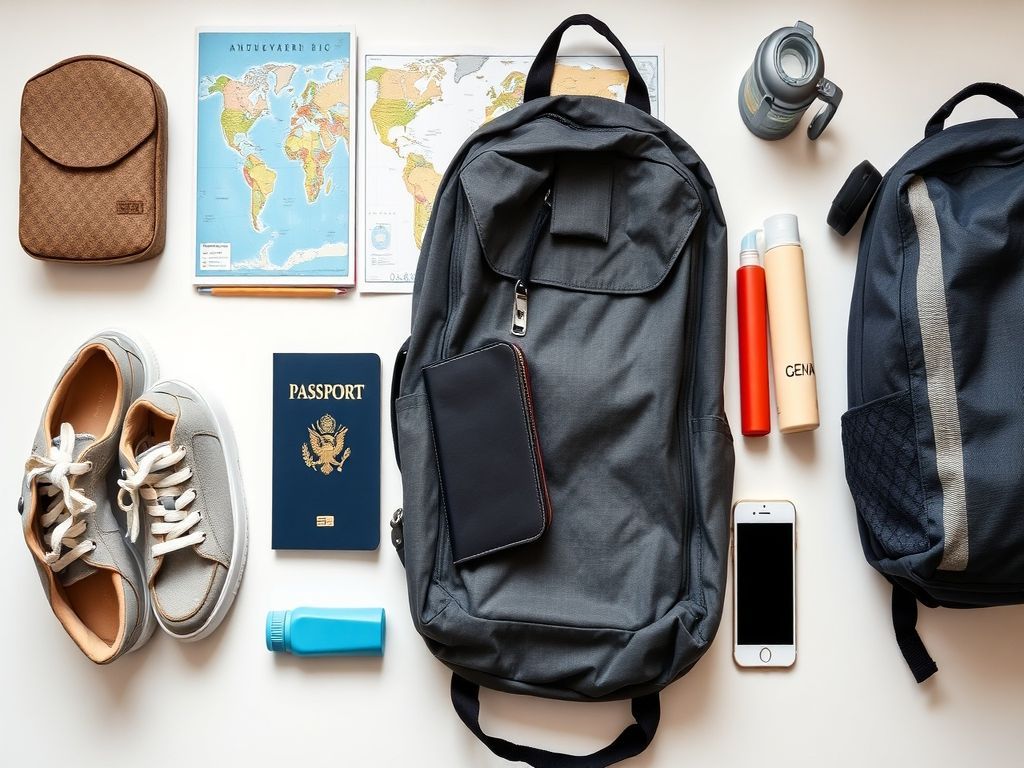
This is a classic backpacking mantra, and it's doubly true for couples. You'll be carrying your bags, navigating public transport, and potentially walking long distances. Overpacking will literally weigh you down.
- Multi-functional Items: Every item in your bag should ideally serve at least two purposes. Think quick-drying travel pants that can be dressed up or down, or a versatile scarf that doubles as a blanket or head covering.
- Layering is Key: European weather can be unpredictable. Instead of bulky sweaters, pack layers that can be added or removed as needed. This allows you to adapt to temperature changes throughout the day.
- Crucial Documents & Copies: Beyond your passport and visa (if needed), carry physical and digital copies of everything: flight tickets, accommodation reservations, travel insurance policies, and even your partner's passport. Store digital copies in a cloud service and email them to yourselves and a trusted contact back home. This is a critical backup.
- Warning: Overpacking will haunt you. Every extra kilo is an extra burden. Stick to a 40-50 liter backpack per person, and practice packing it a week before you leave. If it's too heavy to comfortably carry for 15-20 minutes, you've packed too much.
Budgeting Beyond the Basics: The Hidden Costs
Many couples budget for flights and accommodation, but forget the smaller, cumulative costs that add up quickly. From my family travel experience, the 'unexpected' costs can easily inflate your budget by 10-20% if not anticipated.
- Transportation Within Cities: Factor in metro passes, bus tickets, or occasional taxi/ride-share services. These aren't always cheap, especially if you're making multiple trips daily. For example, a 7-day metro pass in Paris costs around €30 for unlimited travel within zones, which can be a significant saving over individual tickets.
- Food Flexibility: While you'll want to enjoy local cuisine, budgeting for every meal out is expensive. Plan for a mix of self-catering (picnics from local markets are wonderfully romantic and cheap), casual eateries, and a few splurge meals. This offers both variety and cost savings.
- Emergency Fund: Always have an emergency fund, separate from your main spending money. I recommend at least €500-€1000 for a multi-week trip. This covers unexpected medical needs, last-minute flight changes, or replacing lost items. I've had to tap into this for everything from an unexpected doctor's visit for a kid to a sudden train strike.
Connectivity & Cash: Stay Connected, Stay Liquid
In today's world, staying connected is less a luxury and more a necessity for safety, navigation, and convenience.
- eSIMs are a Game Changer: Forget swapping physical SIM cards. An eSIM (like Airalo or Holafly) allows you to download a data plan for a specific country or region directly to your phone. This provides instant connectivity upon arrival and often more favorable rates than international roaming. I use them religiously for my family trips.
- Credit Cards with No Foreign Transaction Fees: Most major banks offer cards that don't charge an extra 2-3% on every purchase made abroad. This adds up quickly over a multi-week trip. Ensure you have at least two different cards (Visa/Mastercard) and let your bank know your travel dates to avoid fraud alerts.
- Small Cash Reserves: While cards are widely accepted, always carry a small amount of local currency (e.g., €50-€100) for small purchases, local markets, or emergencies. ATM withdrawals often offer the best exchange rates, but be wary of dynamic currency conversion (always choose to be charged in the local currency).
How Can You Minimize Wait Times and Maximize Enjoyment?
My personal travel philosophy, refined over years of trying to keep kids from getting bored in lines, is to eliminate unnecessary waiting. For couples, this translates directly into more quality time together and less frustration.
Pre-Booking is Your Best Friend
- Major Attractions: For popular sites like the Vatican Museums, the Eiffel Tower, or the Sagrada Familia, pre-book your tickets online, often for a specific time slot. This can save you hours in line. For example, a visit to the Colosseum without a pre-booked ticket can easily mean a 1-2 hour wait in peak season.
- Specific Train Tickets: High-speed rail in Europe often requires seat reservations, and prices can increase closer to the departure date. Book your inter-city train tickets (e.g., via Rail Europe or directly with national rail services like Trenitalia for Italy or SNCF for France) several weeks or even months in advance for the best fares and guaranteed seats.
- Popular Restaurants: If there's a specific restaurant you're keen to try, especially in a bustling city or during peak dining hours, make a reservation. Many European establishments are small and fill up quickly.
Strategic Travel Days
- Early Mornings: Be an early bird. Popular attractions are often least crowded right after opening. This also allows you to enjoy cooler temperatures in summer. I always try to get my family out the door early to beat the rush.
- Off-Peak Times: Consider visiting less popular museums or neighborhoods during peak tourist hours (e.g., mid-day). Save the blockbusters for early morning or late afternoon/evening if they have extended hours.
- Understanding Local Schedules: Many European museums and shops are closed on Mondays, and some smaller businesses might close for a few hours in the afternoon for 'siesta.' Do a quick check before you plan your day around them.
- Warning: Avoid arriving in a new city exhausted during rush hour. If your train or flight arrives in the late afternoon, try to plan a simple, direct route to your accommodation and perhaps a quiet dinner nearby. Navigating a new city with heavy bags and tired minds during peak commuter times is a recipe for stress.
The Art of the 'Down Day'
Even on a backpacking trip, you don't need to be constantly on the go. In fact, building in rest days is crucial for both physical and mental well-being, especially for couples who need time to simply *be
- together without a schedule.
- Don't Schedule Every Moment: Leave blank spots in your itinerary. These are for serendipitous discoveries, relaxing in a park, or simply recovering from a long travel day. These are often the most memorable moments for my wife and me.
- Allow for Spontaneity: If you stumble upon a charming street market or an intriguing local event, you want the flexibility to explore it without feeling like you're missing your next scheduled activity. These unplanned detours can become highlights of your trip.
- Embrace Rest: Backpacking is tiring. Plan a day where the only item on your agenda is to sleep in, find a nice cafe, read a book, or enjoy a long, leisurely meal. Your bodies (and your relationship) will thank you for it.
What Are the Common Pitfalls Couples Should Actively Avoid?
Beyond logistics, there are interpersonal traps that can trip up even the most harmonious couples on the road. From my perspective, managing expectations and communication are as critical as having the right adapter.
The 'Romantic Ideal vs. Reality' Trap
Many couples embark on a romantic European adventure with a picture-perfect vision. Reality, however, can be messier. Cobblestone streets hurt your feet, hotels aren't always as charming as they look online, and you might get rained on.
- Unrealistic Expectations: Be realistic about the challenges. There will be delays, language barriers, and moments of frustration. Acknowledging this upfront helps you both approach problems as a team, rather than blaming each other.
- Lack of Communication: This is paramount. My wife and I learned early on that not communicating our needs or feelings leads to simmering resentment. If one of you is tired, hungry, or simply needs a break, say so. Don't expect your partner to read your mind, especially when you're both navigating a new environment. For example, if you're feeling overwhelmed, voice it calmly: 'I'm feeling a bit overstimulated right now, could we find a quiet spot for a bit?'
Neglecting Local Customs and Etiquette
Being a respectful traveler enhances your experience and avoids awkward situations.
- Dress Codes: Be aware of appropriate dress, especially when visiting religious sites (churches, mosques). Shoulders and knees often need to be covered. Always carry a light scarf for quick coverage.
- Dining Norms: Understand tipping culture (it varies widely in Europe), when to ask for the bill (often not automatically brought to you), and general restaurant etiquette. For instance, in Italy, it's common to order coffee standing at the bar, and it's cheaper than sitting at a table.
- Basic Phrases: Learn a few key phrases in the local language (hello, please, thank you, excuse me, do you speak English?). Even a small effort is genuinely appreciated by locals and can open doors to warmer interactions.
- Warning: Offending locals can ruin an experience. This isn't just about rudeness; it's about cultural insensitivity. A little research goes a long way.
Security Lapses: Don't Be an Easy Target
Europe is generally safe, but tourist hotspots are magnets for petty crime, particularly pickpocketing. I'm always hyper-aware of this when I'm with my kids, and it's equally important for couples.
- Pickpocketing Awareness: Be vigilant in crowded areas (train stations, busy plazas, tourist attractions). Keep valuables in front pockets, use money belts or anti-theft bags, and never leave your phone or wallet unattended on a table. One time in Paris, I saw a couple lose their wallet from an open backpack in less than 30 seconds.
- Document Copies: As mentioned earlier, physical and digital copies of passports, visas, and other essential documents are non-negotiable backups.
- Travel Insurance: This isn't a luxury; it's a necessity. It covers medical emergencies, trip cancellations, lost luggage, and more. From my experience, providers like World Nomads or SafetyWing offer comprehensive plans tailored for adventurous travelers. It's a small upfront cost for immense peace of mind. A friend of mine had to use theirs for a broken ankle in Spain, and it saved them thousands.
Beyond Logistics: Nurturing Your Relationship On The Road
A backpacking trip as a couple is a unique opportunity to strengthen your bond. It's not just about the sights; it's about the shared journey and how you navigate it together. I've seen my own relationship with my wife deepen through our travels, especially when we face challenges as a team.
Shared Decision-Making
- Compromise is Key: You won't always agree on every activity or restaurant. Be open to compromise and take turns choosing. One day it's their choice, the next it's yours. This fosters a sense of fairness and mutual respect.
- Active Listening: Truly listen to your partner's wants and needs. Sometimes, what they're expressing isn't just about needing to see a specific landmark, but about feeling heard and valued in the planning process.
Building in 'Couple Time'
- Specific Dates: Plan a few special 'date nights' that are just for the two of you, away from the hustle of sightseeing. This could be a nice dinner, a wine tasting, or simply a quiet evening stroll.
- Unplugging: Make an effort to put away phones and cameras during certain times. Be present with each other. The memories you make looking into each other's eyes are often more valuable than the perfect photo for Instagram.
Post-Trip Debrief
- What Worked, What Didn't: After your trip, take some time to reflect together. Discuss what aspects of the planning and execution went well, and what you'd do differently next time. This feedback loop is invaluable for future adventures and strengthens your understanding of each other as travel companions.
Conclusion
Preparing for a European backpacking trip as a couple is an exciting endeavor that, with the right approach, can be incredibly rewarding. The three key takeaways I hope you grasp are: first, proactive planning is your relationship's best friend, minimizing stress and maximizing shared joy. Second, efficiency through smart packing and pre-booking is paramount to avoid unnecessary waits. And finally, open communication and realistic expectations are crucial for navigating the inevitable challenges of travel together. Don't let the small stuff derail your grand adventure.
So, what's one specific action you can take today? Sit down with your partner, open a map of Europe, and start a conversation about your ideal trip flow. Talk about your individual priorities and what a 'successful' trip looks like for each of you. This initial, honest discussion is the most powerful step you can take towards crafting an unforgettable European backpacking experience that strengthens your bond and creates lasting memories.
Previous
Templestay for Couples: Essential Tips & What to Expect
Next
Jeonju Hanok Village Packing Guide for Parents with Young Kids
More in Travel
Gyeongju Family Trip: Summer Beaches with a Baby on a Budget
Planning a Gyeongju family trip with a baby this summer? Discover budget-friendly beach options, accommodation tips, and a detailed cost breakdown for a memorable visit.
Gyeonggi Province or Yeosu: Choosing Your Couple's Getaway with Baby
Deciding between Gyeonggi Province and Yeosu for your couple's trip? This guide compares options for budget travelers and those with a baby.
Jeju Island Restaurants: Planning Special Occasion Travel Events
Planning special occasion travel? Discover how to create unforgettable Jeju Island dining experiences with practical tips, avoiding common pitfalls for your next trip.
Tokyo Travel: Crafting Your Perfect Itinerary for Professionals
Planning a Tokyo travel adventure as a busy professional? Discover an efficient itinerary, top attractions, and authentic dining spots. Maximize your limited time.