Korean Side Dishes for Dieting: My Hard-Won Guide to Preventing Kitchen Fails
Key Takeaways
Tired of failed Korean side dishes on your diet? Brian shares his honest journey and hard-won tips for preventing common kitchen mistakes to make delicious, healthy banchan.
Korean Side Dishes for Dieting: My Hard-Won Guide to Preventing Kitchen Fails
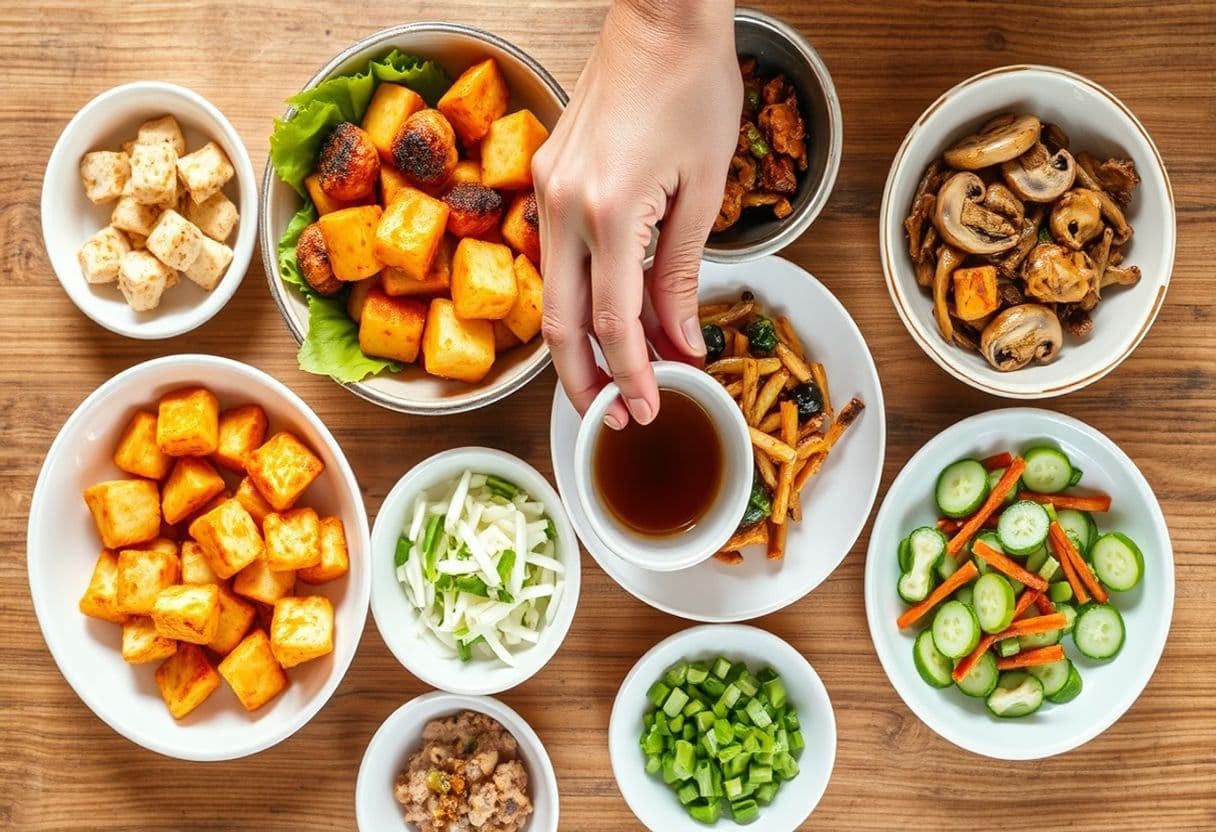
If you've ever tried to whip up a batch of healthy Korean side dishes, or banchan, only to have them turn out bland, soggy, or just plain wrong, then you and I have probably been in the same kitchen mess. Seriously, I've lost count of the times I've followed a YouTube recipe, eyeballed what seemed like 'a little bit' of soy sauce, and ended up with something that tasted like a salt lick or, even worse, absolutely nothing. It's especially frustrating when you're trying to stick to a diet and need these dishes to be consistently delicious and healthy. My journey into making my own banchan started with good intentions and a whole lot of trial and error, mostly error. I'm here to share what I've learned from countless kitchen catastrophes so you can avoid making the same mistakes I did.
Why Do My Diet-Friendly Korean Side Dishes Always Fall Flat?
Honestly, when I first started trying to cook Korean food, I thought it looked so easy. The YouTube chefs would just toss things together, and poof, perfect banchan. My reality was a bit different. My first attempts at sukju namul (seasoned bean sprouts) were a watery, flavorless mess. My sigeumchi namul (seasoned spinach) was often overcooked and stringy. And don't even get me started on the miyeok muchim (seaweed salad) that tasted like I'd just scooped a handful of ocean water. I learned pretty quickly that making these dishes, especially when you're trying to keep them diet-friendly, has a lot of pitfalls.
Common Culinary Missteps I Made (and You Might Be Too!)
From my perspective as someone who learned to cook from online videos and a lot of personal failures, these are the root causes I identified for my banchan woes:
- Eyeballing, the Ultimate Betrayer: This is my biggest weakness. I’d see a recipe call for 'a dash of sesame oil' or 'a spoonful of soy sauce' and think, 'yeah, I got this.' What I *got
- was usually too much or too little, throwing the entire dish out of balance. When you're cutting down on sodium or sugar for a diet, precision is even more critical. A 'dash' of soy sauce might be fine for a regular recipe, but for a diet-conscious version, it might be 50% of your target sodium intake for that dish. My wife can attest to the number of times I've presented her with something that was either overwhelmingly salty or completely bland because I skipped measuring. Don't be like me in my early days.
- Misunderstanding Ingredient Roles: I used to think all soy sauces were created equal. Boy, was I wrong. There's regular soy sauce, light soy sauce, soup soy sauce (guk-ganjang), and dark soy sauce. Each has a different salinity and flavor profile. Using regular soy sauce in a recipe that calls for *guk-ganjang
- will make your dish incredibly salty. Similarly, assuming all sweeteners are the same led to some overly sweet or strangely flavored dishes. I once tried to substitute regular sugar with agave nectar 1:1 in a myulchi bokkeum (stir-fried anchovies) recipe and it turned into a sticky, overly sweet disaster that stuck to my teeth for an hour.
- Overcooking or Undercooking Vegetables: Many Korean side dishes rely on perfectly cooked vegetables – crisp-tender, not mushy, not raw. I frequently overcooked spinach or bean sprouts, turning them into sad, limp versions of their former selves. Undercooking, on the other hand, leaves a raw, sometimes bitter taste. Getting the blanching time right is crucial, especially for keeping vegetables vibrant and nutritious for a diet.
- Ignoring the Squeeze: This was a game-changer for me, and one I learned the hard way. For many blanched vegetable dishes, like spinach or radish greens, you absolutely *must
- squeeze out the excess water after blanching. If you don't, your banchan will be watery, diluted, and the seasoning won't adhere properly. I remember my first *sigeumchi namul
- where I skipped this step, and it just sat in a puddle of water, tasting of nothing but sadness.
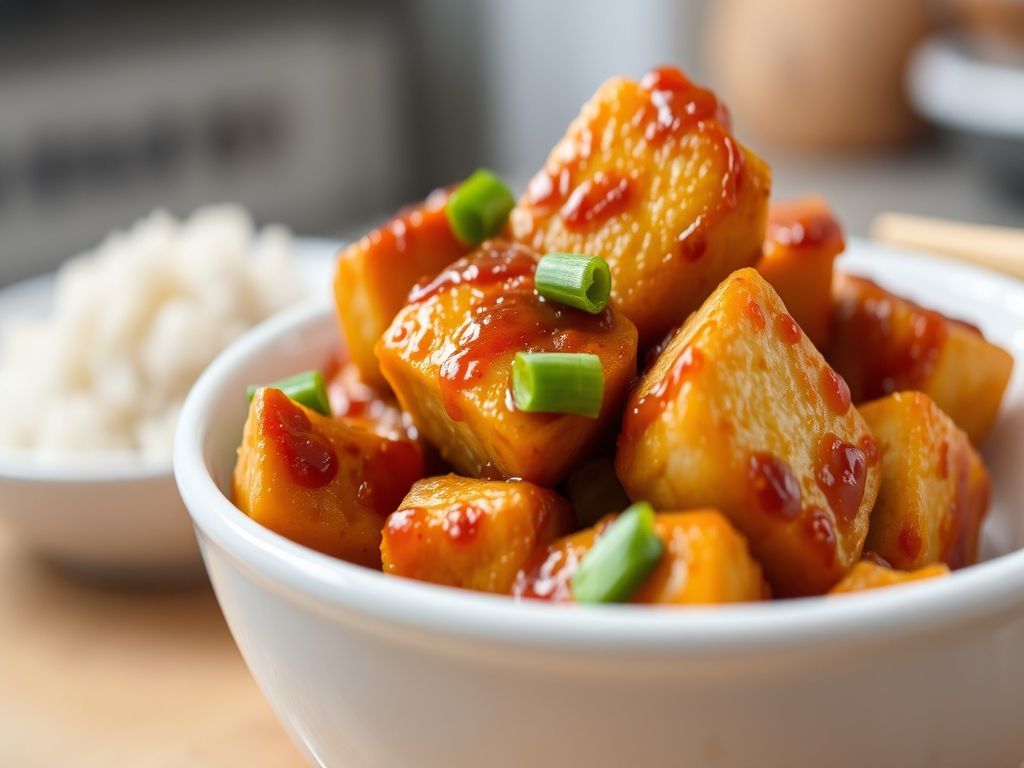
- Too Much Oil, Too Much Sugar: When adapting recipes for a diet, the standard amounts of cooking oil and sugar often need to be significantly reduced. Many traditional recipes can be quite generous with these, and if you're not careful, your 'healthy' side dish can quickly become a calorie bomb. My initial attempts at gamja jorim (braised potatoes) using the original recipe's oil and sugar amounts resulted in something delicious, but certainly not diet-friendly. It was a wake-up call.
How Can I Salvage My Bland or Over-Seasoned Banchan?
Don't despair! I've been in the trenches with dishes that were too salty, too bland, or just plain weird. There are often ways to rescue them, though sometimes you just have to chalk it up to experience and start over. But before you throw in the towel, here are my tried-and-true salvage operations:
For Banchan That's Too Salty
This is probably the most common mistake I've made, especially when I was still in my 'eyeballing' phase. If your banchan is too salty, here's what I've found works best:
Add More Unseasoned Ingredients: If it's a vegetable dish, blanch and add more of the same vegetable (without any salt) to dilute the seasoning. For example, if your kongnamul muchim (seasoned bean sprouts) is too salty, quickly blanch another 100g of bean sprouts and mix them in. This is my go-to fix for most simple vegetable side dishes.
Introduce a Starchy or Neutral Flavor: For dishes that can handle it, adding a small amount of cooked potato, tofu, or even some plain cooked rice can absorb some of the excess salt. I've successfully rescued a too-salty japchae (glass noodle stir-fry) by adding extra plain cooked glass noodles and some more vegetables.
Sweeten It (Carefully!): A tiny pinch of sugar or a drop of honey can sometimes balance out overwhelming saltiness. Be very conservative here, as you don't want to overcorrect and end up with a sweet *and
- salty dish. I'm talking literally 1/4 teaspoon at a time.
- A Splash of Acid: A few drops of rice vinegar or lemon juice can cut through saltiness and add brightness. This works particularly well for fresh, raw vegetable dishes like oi muchim (cucumber salad). Start with 1/2 teaspoon and taste.
For Banchan That's Too Bland
This is often easier to fix than an overly salty dish. The key is to add flavor gradually:
Enhance with Aromatics: Chop some fresh garlic, green onions, or a tiny bit of ginger and mix them in. The fresh aromatics can wake up the whole dish. For instance, my musaengchae (spicy radish salad) sometimes needed a bit more fresh garlic and green onion to really pop.
Boost Umami: Add a little more soy sauce (measured this time!), a touch of fish sauce (if appropriate for the dish, like in some kimchi recipes), or a sprinkle of toasted sesame seeds. Sometimes, just a tiny bit of gochugaru (Korean chili flakes) can also bring flavor and a pleasant warmth. I've found that a light drizzle of good quality sesame oil (about 1 teaspoon for a medium batch) can also drastically improve a bland dish.
Adjust Sweetness/Saltiness: A small pinch of salt or sugar (again, measured!) can sometimes be all it takes to bring the flavors into harmony. Taste, adjust, taste again.
Preventing Future Banchan Blunders (Especially for Dieters!)
After countless lessons learned, I've developed a few habits that have dramatically improved my success rate, particularly when I'm trying to keep things light and healthy for my diet. Trust me, these tips come from a place of painful experience.
My Top Strategies for Consistent Success
Measure Everything, At Least Initially: This might sound obvious, but for someone like me who loves to 'wing it,' it was a revelation. Invest in a good set of measuring spoons and cups, and a kitchen scale. For the first 3-5 times you make a new recipe, follow the measurements exactly. Once you understand the balance of flavors, then you can start experimenting with slight reductions for your diet, like using 25% less sugar or 30% less oil. This foundational understanding is crucial. I once scaled down a recipe for gaji namul (seasoned eggplant) by half and didn't realize I needed to scale the seasoning by half too – ended up with an incredibly bland dish. Learn from my mistake!
Taste as You Go (and Adjust Slowly): This is probably the most important piece of advice for any cook. Start with slightly less seasoning than the recipe calls for, especially salt and sugar. Then, taste. Add a *tiny
- bit more, stir, and taste again. Repeat until it's just right. This incremental approach is a lifesaver for diet-friendly cooking, allowing you to hit that sweet spot without overdoing calories or sodium. My rule of thumb now is to add 75% of the recommended seasoning, then add the remaining 25% in 1/4 increments until it's perfect.
Embrace Blanching and Steaming Over Frying: Many traditional banchan recipes might call for stir-frying. While delicious, this adds oil and calories. For a healthier version, blanching or steaming vegetables like spinach, bean sprouts, or eggplant is an excellent alternative. For instance, instead of stir-frying zucchini, try lightly blanching it and then seasoning it with a bit of soy sauce, garlic, and sesame oil. It keeps the texture crisp and fresh while drastically cutting down on fat. You might also find my guide on 'Healthier Cooking Swaps for Korean Dishes' helpful here.
Master the Squeeze: As mentioned before, for blanched vegetables, squeezing out excess water is non-negotiable. After blanching, immediately plunge the vegetables into an ice bath to stop cooking, then drain thoroughly. Gather a handful and squeeze firmly to remove as much water as possible. This ensures your banchan won't be watery and the seasoning will properly adhere, giving you maximum flavor with minimal effort. I used to skip this, and my doraji namul (bellflower root) was always a watery mess until I started squeezing it like my life depended on it.
Use Natural Sweeteners (Sparingly): Instead of refined sugar, consider using natural alternatives like a tiny amount of apple puree, grated pear, or a very small drizzle of maple syrup or honey. These can add sweetness with more complex flavors. For example, when making a *gochujang
- based sauce for myulchi bokkeum, I've found a teaspoon of grated apple can add a lovely sweetness without needing extra sugar. Just remember, even natural sweeteners have calories, so use them judiciously.
- Focus on Fresh, High-Quality Ingredients: The better your ingredients, the less you'll need to do to make them taste good. Fresh, seasonal vegetables are naturally more flavorful and require less seasoning to shine. This is particularly true for dishes like *kimchi
- or musaengchae, where the quality of the radish or cabbage makes a huge difference. I always try to buy my produce from the local farmer's market when possible; the difference in taste is noticeable.
- Keep a Recipe Journal: This has been a game-changer for me. I jot down the recipe I used, any modifications I made, and how it turned out. Did I use 1.5 teaspoons of soy sauce instead of 2? Was it still too salty? Did adding an extra clove of garlic make it perfect? This helps me refine recipes over time, ensuring that my diet-friendly banchan consistently hits the mark. After about 10 iterations, my *kongnamul muchim
- recipe is now perfect – and I have the notes to prove it!
- Batch Cook Smart: To save time and ensure consistency, I often make larger batches of foundational components. For example, I might blanch a big bag of bean sprouts or spinach and store half of it unseasoned in the fridge. Then, I can season smaller portions throughout the week with different flavor profiles. This prevents flavor fatigue and ensures I always have fresh banchan on hand without having to cook from scratch every day. For more on efficient cooking, check out my thoughts on 'My Essential Korean Pantry Staples for Quick Meals.'
Conclusion: Your Journey to Better Banchan Starts Now
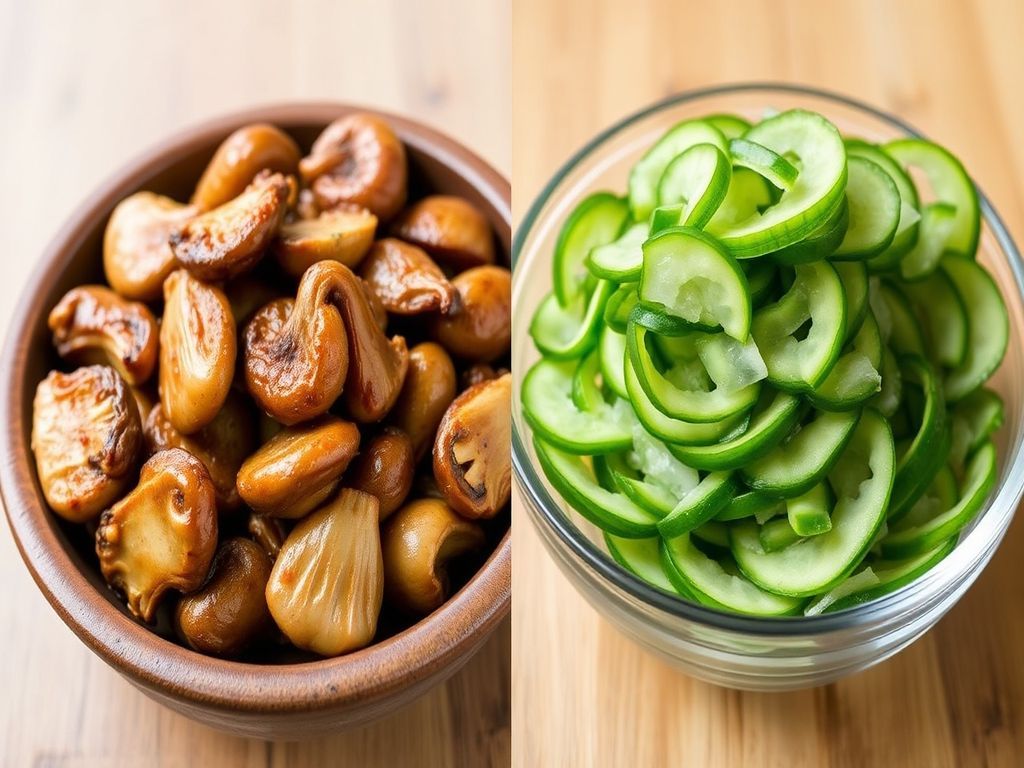
Making delicious, diet-friendly Korean side dishes might seem daunting, especially if your early attempts, like mine, resulted in more culinary experiments than actual food. But don't let those initial failures discourage you. My journey from kitchen chaos to confidently whipping up a variety of tasty banchan for my family's weekly meals has taught me a few invaluable lessons:
Precision is Power: Ditch the eyeballing, at least until you've mastered a recipe. Measuring ingredients, especially when adjusting for dietary needs, is your best friend.
Taste and Adjust: Your palate is your ultimate guide. Start with less seasoning and add gradually, allowing you to fine-tune flavors without overdoing it.
Prioritize Healthy Techniques: Embrace blanching, steaming, and proper water removal to maximize flavor and texture while minimizing unnecessary fats and calories. So, what's one specific action you can take today? Pick one banchan recipe you've struggled with, or one you've always wanted to try. Get out your measuring spoons, commit to tasting as you go, and make that dish. Focus on the process, learn from each step, and I promise you'll be one step closer to your own personal banchan success story. Happy cooking, and may your banchan always be perfectly seasoned and diet-friendly!
Previous
Weekend Brunch Recipes for Busy Professionals: My Plant-Forward Tips
Next
Budae Jjigae for Beginners: A Healthy, Easy Diet Version
More in Recipes

Healthy Smoothie Recipes for Vegetarians: Quick Blends
Discover healthy smoothie recipes perfect for vegetarians, focusing on quick prep and nutrient-rich ingredients. Learn to blend delicious, fast meals and avoid common mistakes with practical tips.
Budae Jjigae for Beginners: A Healthy, Easy Diet Version
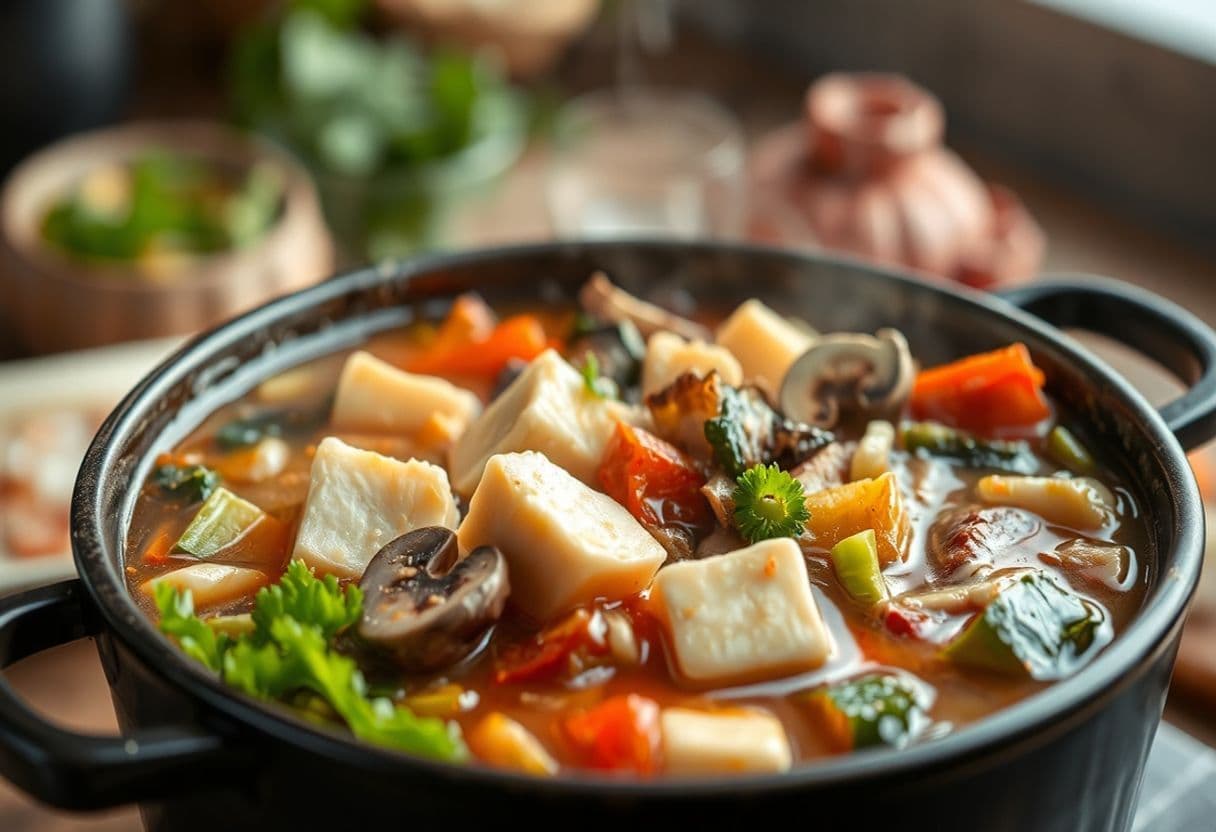
Learn to make a healthy diet Budae Jjigae with simple steps. This beginner-friendly guide helps you enjoy Korean Army Stew while keeping it light and flavorful.
Weekend Brunch Recipes for Busy Professionals: My Plant-Forward Tips
Discover stress-free weekend brunch recipes for busy professionals. Natalie shares her plant-forward tips to make delicious, easy meals without sacrificing flavor or your Sunday morning.
Easy Korean Recipes for Beginners: Family Meals Simplified
Discover easy Korean recipes perfect for beginners and picky eaters. Linda, a mom of two, shares practical tips to adapt flavors for the whole family, making weeknight dinners stress-free.