Healthy Smoothie Recipes for Vegetarians: Quick Blends
Key Takeaways
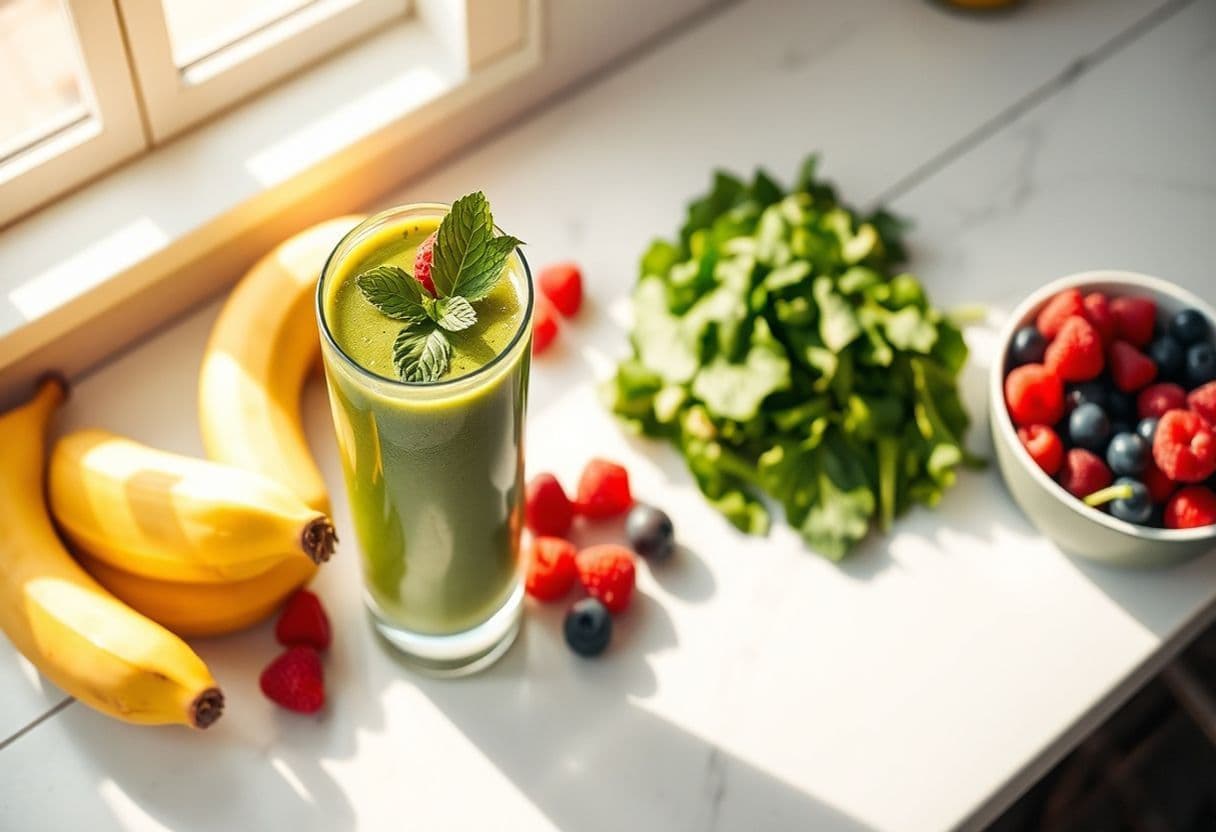
Discover healthy smoothie recipes perfect for vegetarians, focusing on quick prep and nutrient-rich ingredients. Learn to blend delicious, fast meals and avoid common mistakes with practical tips.
Healthy Smoothie Recipes for Vegetarians: Quick Blends for Busy Lives
A recent survey by the Food & Health Foundation in 2023 found that over 60% of adults skip breakfast at least three times a week, often citing lack of time. That statistic always makes me think about how many missed opportunities there are for a quick, nutrient-dense start to the day. For me, someone who often fumbles through breakfast trying to find something substantial and fast, smoothies have become an absolute godsend, especially since I started leaning into more plant-based eating.
I'm a guy who got into cooking by watching too many YouTube videos, and my kitchen adventures often involve more eyeballing than precise measuring. This means I've had my share of smoothie failures – watery concoctions, gritty textures, and blends that tasted more like lawn clippings than a refreshing drink. But through trial and error (and a lot of taste tests), I've honed in on what truly works, especially for quick, healthy, and satisfying vegetarian options. The beauty of a smoothie is its versatility; it's a blank canvas where you can pack in a ton of nutrients, fiber, and protein in just a few minutes. It's the ultimate 'fast food' for health-conscious folks, particularly vegetarians looking for convenient ways to hit their nutritional goals.
So, if you're ready to ditch the skipped meals and embrace delicious, easy nutrition, let's dive into some core principles and specific ingredient combinations that consistently deliver. We'll explore:
- The Green Powerhouse: Maximizing leafy greens without sacrificing taste.
- The Creamy Dream: Achieving a satisfying texture and sustained energy.
- The Berry Blast: Antioxidant-rich blends for vibrant health.
- The Tropical Escape: Bringing exotic flavors to your blender.
- Common Pitfalls: How to avoid the mistakes I've definitely made.
- Smart Hacks: Tips for making your smoothie routine even faster and more effective.
What Makes a Truly Great Vegetarian Smoothie?
Before we get into specific recipes, it's important to understand the fundamental building blocks of a truly great vegetarian smoothie. It's not just about throwing ingredients into a blender; it's about balance – balancing flavor, texture, and nutrition. In my experience, the best smoothies hit several key notes:
Protein: Essential for satiety and muscle health. For vegetarians, this means plant-based protein powders, nuts, seeds, or even silken tofu. Aim for 15–25 grams per serving if it's meant to be a meal replacement.
Healthy Fats: Crucial for nutrient absorption, brain health, and keeping you full. Think avocado, chia seeds, flax seeds, nut butters, or coconut oil.
Fiber: Keeps your digestive system happy and adds bulk. Fruits, vegetables, and seeds are your best friends here. A good smoothie should ideally have at least 5 grams of fiber.
Fruits & Vegetables: The star players for vitamins, minerals, and antioxidants. Don't shy away from greens!
Liquid Base: The vehicle that brings it all together. Plant-based milks (almond, oat, soy), water, or coconut water are excellent choices. I often use unsweetened almond milk or plain water to keep sugar content down.
Flavor Boosters: Spices, extracts, citrus zest, or a touch of natural sweetener (like a date or a dash of maple syrup) can elevate your smoothie from 'good' to 'great'. When I first started, I'd just toss in whatever fruit I had and wonder why it tasted bland or too sweet. It took a few tries, and some truly awful concoctions, to realize that a thoughtful approach to these categories makes all the difference. It's like building a good sauce; you need a base, a body, and a little something extra to make it sing.
Ingredient Deep Dive: Crafting Your Perfect Blend
This is where we get specific. I tend to think in categories of ingredients, so I can mix and match based on what I have on hand. This flexibility is key to quick preparation and avoiding recipe fatigue.
The Green Powerhouse: Leafy Greens & Fruity Balance
Starting your day with a substantial dose of greens is one of the best habits you can adopt, and smoothies make it incredibly easy. My early attempts at green smoothies were often bitter and unappetizing because I didn't know how to balance the flavors. The trick is to pair potent greens with sweeter fruits and a creamy element.
Key Ingredients:
- Greens: Spinach is my go-to because its flavor is so mild it practically disappears. Kale works too, but start with smaller amounts (about 1/2 cup chopped) if you're new to it, as its flavor is stronger. I aim for 1–2 full cups of packed spinach in my blender.
- Sweet Fruit: A ripe banana (fresh or frozen) is a classic for sweetness and creaminess. Mango, pineapple, or a few Medjool dates also work wonderfully to counteract any bitterness from the greens.
- Liquid: Unsweetened almond milk or water. Sometimes I'll use coconut water for a slightly different flavor profile.
- Optional Boosters: A knob of fresh ginger (about 1 inch), a tablespoon of chia seeds for fiber and omega-3s, or a scoop of plant-based vanilla protein powder. Concrete Example: My daily 'Get-Up-And-Go Green':
- 1.5 cups packed fresh spinach
- 1 ripe banana (frozen is ideal)
- 1 cup unsweetened almond milk (see my guide on [choosing the right plant-based milks] for more options)
- 1/2 inch fresh ginger, peeled
- 1 tablespoon chia seeds Blend until completely smooth. The ginger adds a fantastic zing that really brightens the whole drink. This takes me about 3 minutes to assemble and blend, making it perfect for those mornings when I'm running on fumes.
Creamy & Satisfying Blends: The Protein-Packed Smoothie
Sometimes you need a smoothie that feels more like a meal, something that will genuinely keep you full for hours. This is where healthy fats and protein become the stars. These blends are often thicker and incredibly satisfying, perfect for a post-workout refuel or a lunch on the go.
Key Ingredients:
- Creamy Base: Half an avocado adds incredible creaminess and healthy monounsaturated fats. Alternatively, a whole banana (especially frozen) or 1/2 cup of silken tofu can provide a similar texture. I often add 1/2 cup of a thicker plant-based yogurt (like soy or oat) for extra tang and probiotics.
- Protein Source: 1 scoop of your preferred plant-based protein powder (pea, rice, soy, hemp). For a whole-food approach, 2 tablespoons of almond butter or cashew butter, or 1/4 cup of hemp seeds, are excellent. I've even experimented with 200g of soft tofu, and it blends seamlessly, adding a serious protein punch.
- Liquid: Oat milk or soy milk are my preferred choices here as they tend to be creamier than almond milk. About 1 cup usually does the trick.
- Flavor/Sweetness: Cacao powder for a chocolatey treat, a few dates for natural sweetness, or a dash of cinnamon. A pinch of sea salt can also enhance the chocolate flavors. Concrete Example: My 'Stay-Full Chocolate Dream':
- 1/2 ripe avocado
- 1 scoop chocolate plant-based protein powder
- 1 cup oat milk
- 1 tablespoon unsweetened cacao powder
- 2 Medjool dates, pitted
- A tiny pinch of sea salt This smoothie is rich, decadent, and incredibly filling. It almost feels like a dessert but is packed with goodness. It takes me about 4 minutes from start to finish.
Berry Bliss & Tropical Escapes: Antioxidant-Rich Blends for Vibrant Energy
Berries are nutritional powerhouses, bursting with antioxidants and natural sweetness. Tropical fruits, on the other hand, bring a taste of sunshine and often a good dose of Vitamin C. These are my go-to blends when I need a refreshing pick-me-up or a vibrant burst of flavor.
Key Ingredients for Berries:
- Berries: 1 cup of mixed frozen berries (strawberries, blueberries, raspberries are common in my freezer). Frozen berries are fantastic because they make the smoothie thick and cold without extra ice.
- Liquid: Water, unsweetened almond milk, or even a splash of orange juice for extra zing.
- Boosters: 1 tablespoon of flax seeds (ground is best for absorption), a few sprigs of fresh mint, or a squeeze of lemon juice to brighten the flavors.
- Sweetener (optional): If your berries are tart, a small amount of maple syrup (1 teaspoon) or a few drops of stevia. Concrete Example: My 'Berry Antioxidant Burst':
- 1 cup frozen mixed berries
- 1 cup unsweetened almond milk
- 1 tablespoon ground flax seeds
- A squeeze of fresh lemon juice (about 1 tablespoon) This one is simple, vibrant, and incredibly refreshing. It's a classic for a reason. Key Ingredients for Tropical:
- Tropical Fruit: 1 cup frozen mango chunks or pineapple chunks, or a mix of both.
- Liquid: Coconut water for a true tropical vibe, or regular water.
- Boosters: A small piece of fresh turmeric root (about 1/2 inch, peeled), a dash of cayenne pepper for a little kick, or a tablespoon of shredded unsweetened coconut. Concrete Example: My 'Island Vibe Refresher':
- 1 cup frozen mango chunks
- 1 cup coconut water
- 1/2 inch fresh ginger, peeled
- A pinch of turmeric powder (or fresh turmeric root) This blend transports me straight to a beach, even when I'm just standing in my kitchen. The mango and coconut water are a match made in heaven.
How Do You Avoid Common Smoothie Fails?
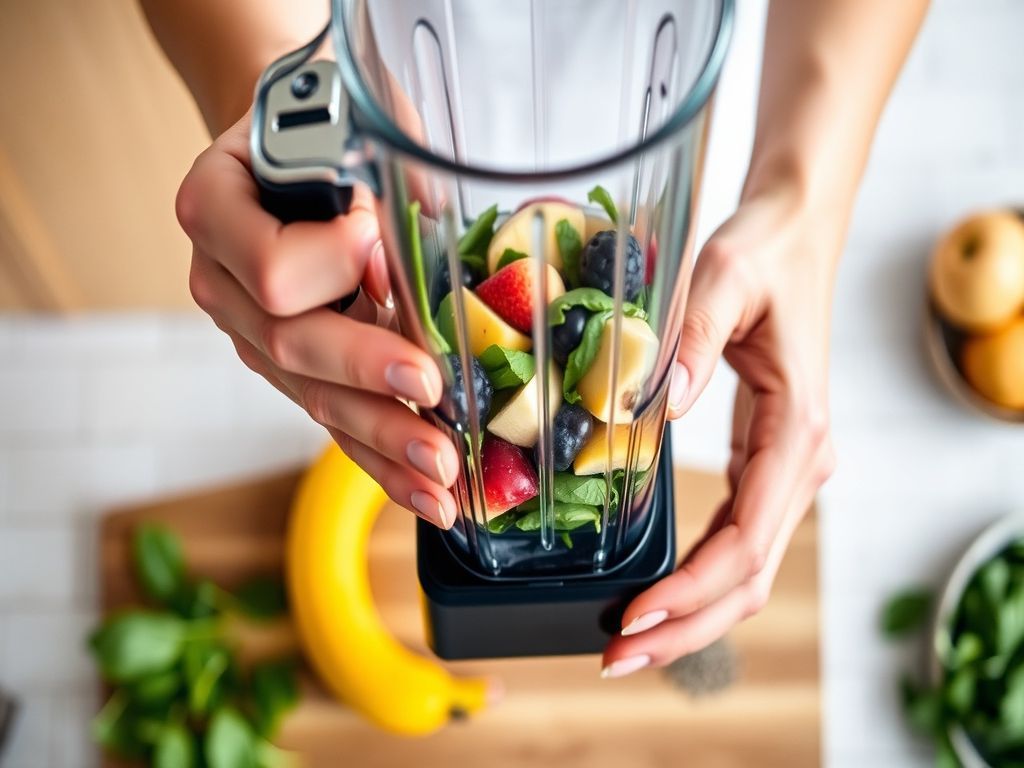
I've made almost every smoothie mistake in the book. From a chunky, unblended mess to a watery, flavorless drink, I've learned a few things the hard way. Here are some warnings and common pitfalls to steer clear of:
Too Much Liquid: This is probably the most common mistake. You want a thick, pourable consistency, not a watery soup. Start with less liquid (about 3/4 of a cup for a single serving) and add more slowly, a quarter cup at a time, until you reach your desired consistency. It's easier to add liquid than to take it away.
Wrong Blending Order: The order you add ingredients matters, especially if you don't have a high-powered blender. Always add your liquid first, then soft ingredients (spinach, soft fruit), followed by frozen fruits/ice, and finally any powders or nuts/seeds. This allows the blades to move freely and create a vortex, pulling everything down for a smoother blend.
Over-Sweetening: It's tempting to add a lot of sugar, especially if you're new to green smoothies. But relying too heavily on added sweeteners (even natural ones like maple syrup or agave) can turn a healthy drink into a sugar bomb. Focus on naturally sweet fruits, and gradually reduce added sweeteners as your palate adjusts. A single Medjool date or 1/2 a ripe banana is often all you need.
Not Cleaning Immediately: This is less about the smoothie itself and more about kitchen sanity. If you let smoothie residue dry on your blender, it becomes a nightmare to clean. Rinse it out immediately, or better yet, do the 'soap and water blend' trick (rinse, add warm water and a drop of soap, blend for 30 seconds, then rinse again). This simple step saves so much time and frustration. I learned this after chiseling dried-on kale from my blender too many times.
Using Only Fruit: While fruit is healthy, an all-fruit smoothie can be very high in natural sugars and low in protein and healthy fats, which can lead to a blood sugar spike and then a crash. Always balance your fruit with a source of protein (like plant-based protein powder, nuts, or seeds) and healthy fats (avocado, nut butter) to make it a more complete and satisfying meal.
Making It Stick: My Go-To Smoothie Hacks for Busy Lives
The real magic of smoothies for a busy vegetarian is how little time they demand. But there are ways to make them even faster and integrate them seamlessly into your routine. These are the strategies I use, especially when I know I've got a packed week ahead.
Batch Preparation & Freezer Bags
This is my absolute favorite hack. On a Sunday afternoon, I'll prep 3–5 days' worth of smoothie packs. This involves:
Portioning Ingredients: Measure out your dry ingredients (greens, frozen fruit, seeds, protein powder) for each smoothie into individual freezer-safe bags or containers. For example, for a green smoothie, I'll put 1.5 cups spinach, 1/2 a frozen banana, 1 tablespoon chia seeds, and 1 scoop protein powder into one bag.
Labeling: Clearly label each bag with the type of smoothie and the date. This helps me track what I'm eating and ensures I don't forget any key liquid ingredients.
Freezing: Store these pre-portioned bags in the freezer. When you're ready for a smoothie, just dump the contents of a bag into your blender, add your liquid, and blend. It literally cuts down prep time to under 60 seconds. This approach not only saves time but also reduces food waste. I can buy a large bag of spinach, portion it out, and not worry about it wilting in my fridge. For more ideas on efficient meal prep, check out my previous post about [batch cooking basics].
Smart Ingredient Storage
- Frozen Fruits & Veggies: Always keep a variety of frozen fruits (berries, mango, pineapple, banana slices) and even some frozen greens (spinach, kale) on hand. They last for months and give your smoothie that perfect icy consistency without diluting the flavor. I always buy extra bananas, let them ripen, peel them, break them into 2–3 pieces, and freeze them in a large ziplock bag.
- Nut Butters & Seeds: Keep these staples easily accessible. I have a dedicated shelf in my pantry for all my smoothie boosters.
- Plant Milks: Stock up on shelf-stable cartons of your preferred plant milk so you never run out. I find having 2–3 different types (almond, oat, soy) helps keep things interesting.
Blender Best Practices
- Invest in a Good Blender: You don't need the most expensive model, but a blender with at least 1000 watts of power will make a huge difference in achieving a super-smooth consistency, especially with tougher ingredients like kale or frozen fruit. My current blender, which cost me around $150, has been a workhorse for over 3 years.
- Scrape Down Sides: If your smoothie isn't blending smoothly, especially with thicker recipes, stop the blender, use a rubber spatula to scrape down the sides, and then continue blending. Sometimes the ingredients just need a little nudge to get back into the vortex.
- Don't Overfill: Respect the 'max fill' line on your blender pitcher. Overfilling can lead to spills and ineffective blending.
Conclusion: Blend Your Way to Better Health
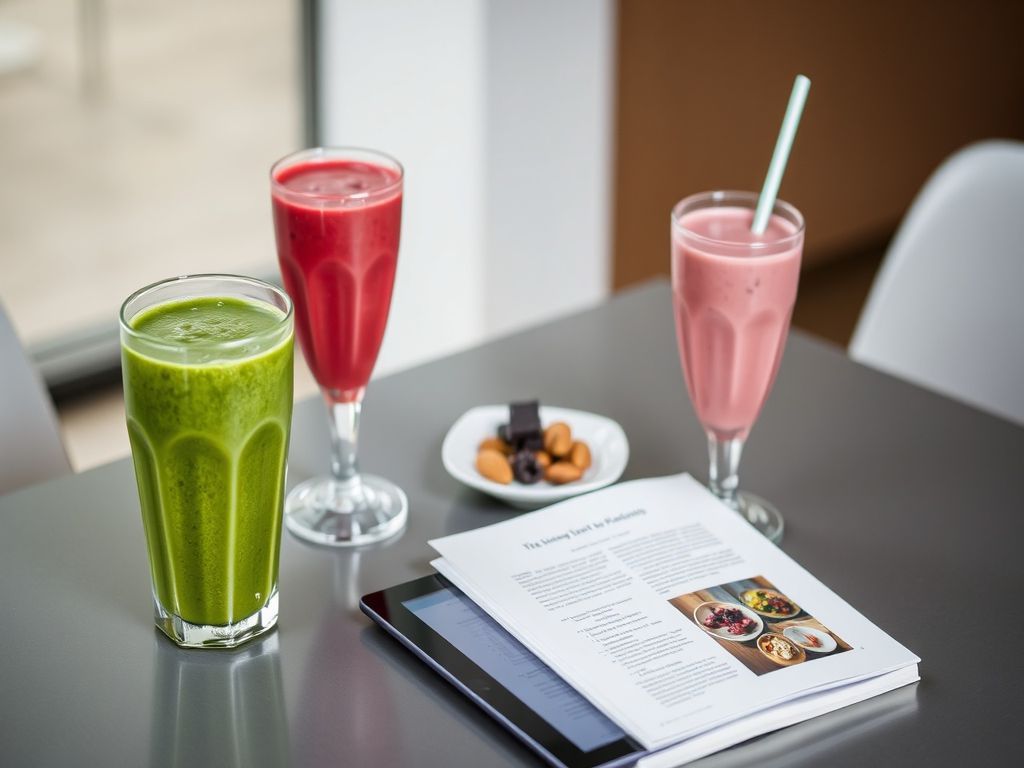
Embracing healthy smoothie recipes, especially for vegetarians, is one of the easiest and most effective ways to boost your nutrient intake, manage your time, and enjoy delicious food. I started my smoothie journey out of necessity – a desperate attempt to get some nutrition into my busy mornings – and it quickly evolved into a core part of my healthy eating routine. The key takeaways from my journey and these recipes are clear:
Balance is paramount: A truly great smoothie balances protein, healthy fats, fiber, and diverse fruits and vegetables for sustained energy and satiety.
Prep makes perfect: Utilizing batch prep and strategic freezing can drastically cut down on daily preparation time, making healthy eating accessible even on the busiest days.
Learn from your mistakes: Don't be afraid to experiment and adjust. My early failures taught me invaluable lessons about liquid ratios, blending order, and flavor combinations. It's how you discover your personal favorites. So, what's one specific action you can take today? Go to your freezer, grab some frozen fruit and greens, and blend up one of the recipes we discussed. Start simple, make it a habit, and enjoy the delicious journey to a healthier you. Your body (and your schedule) will thank you for it.
Previous
Budae Jjigae for Beginners: A Healthy, Easy Diet Version
Next
Healthy Smoothie Recipes for Vegetarians: Quick Blends
More in Recipes
Budae Jjigae for Beginners: A Healthy, Easy Diet Version
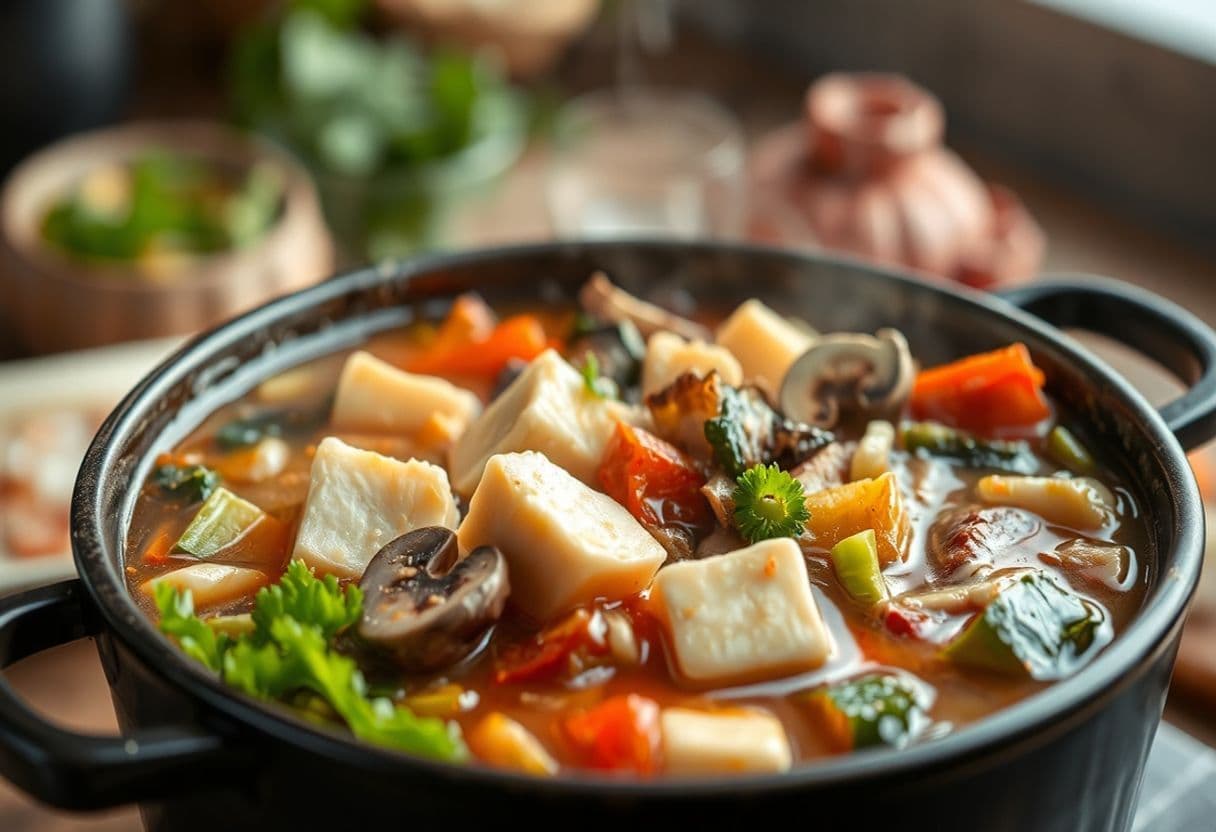
Learn to make a healthy diet Budae Jjigae with simple steps. This beginner-friendly guide helps you enjoy Korean Army Stew while keeping it light and flavorful.
Korean Side Dishes for Dieting: My Hard-Won Guide to Preventing Kitchen Fails
Tired of failed Korean side dishes on your diet? Brian shares his honest journey and hard-won tips for preventing common kitchen mistakes to make delicious, healthy banchan.
Weekend Brunch Recipes for Busy Professionals: My Plant-Forward Tips
Discover stress-free weekend brunch recipes for busy professionals. Natalie shares her plant-forward tips to make delicious, easy meals without sacrificing flavor or your Sunday morning.
Easy Korean Recipes for Beginners: Family Meals Simplified
Discover easy Korean recipes perfect for beginners and picky eaters. Linda, a mom of two, shares practical tips to adapt flavors for the whole family, making weeknight dinners stress-free.