Weekend Brunch Recipes for Busy Professionals: My Plant-Forward Tips
Key Takeaways
Discover stress-free weekend brunch recipes for busy professionals. Natalie shares her plant-forward tips to make delicious, easy meals without sacrificing flavor or your Sunday morning.
Weekend Brunch Recipes for Busy Professionals: My Plant-Forward Tips
You've probably heard that a truly satisfying weekend brunch needs to be an elaborate affair, demanding hours in the kitchen and a counter full of complex dishes. It's not quite right. In my experience, the biggest myth about brunch is that it has to be complicated, especially if you're aiming for something delicious and plant-forward. For busy professionals like many of us, the idea of sacrificing precious weekend relaxation for kitchen chaos is a non-starter. But that doesn't mean settling for toast and jam every Sunday. I'm here to tell you that a genuinely amazing, vegetable-rich brunch is entirely achievable without the stress, and often with less fuss than you'd imagine.
Over the past two years, as I've significantly reduced my meat consumption, I've embarked on countless culinary adventures, especially in the realm of plant-based brunch. Honestly, some attempts have been disappointing – bland, uninspired, or just too much effort for too little reward. But those experiences taught me invaluable lessons. They taught me how to identify what works, what truly delivers on flavor, and how to make vegetable-forward cooking not just palatable, but genuinely exciting, even for a quick weekend meal. The key, I've discovered, lies in three interconnected strategies:
Strategic Prep: The Secret to a Relaxed Sunday Morning
Ingredient Intelligence: Making Every Component Count
Flavor First: Simple Techniques for Big Taste Let's dive into how these approaches can transform your weekend brunch from a rushed obligation into a delightful, stress-free ritual.
1. Strategic Prep: The Secret to a Relaxed Sunday Morning
For anyone with a demanding work week, the thought of waking up early on a weekend to chop, sauté, and scramble is probably met with a groan. This is where strategic preparation becomes your best friend. The goal isn't to pre-cook everything, but to tackle the most time-consuming steps when you actually have a moment, typically on a Friday evening or Saturday afternoon. This allows you to assemble and finish dishes in mere minutes on Sunday morning, giving you back that precious sleep-in time.
What Can You Prep Ahead for Brunch?
So, what exactly can you get ready in advance? More than you might think:
Vegetable Chopping: This is a big one. Diced onions, bell peppers, mushrooms, spinach, kale – wash, chop, and store them in airtight containers for up to 3 days. They'll be ready to throw into a scramble, frittata, or a quick sauté.
Sauces and Dressings: A vibrant pesto, a creamy cashew 'cheese' sauce, or a tangy vinaigrette can be made 2-4 days ahead. These elevate simple dishes instantly. For example, I often make a large batch of my Spicy Peanut Dressing on a Friday, which I then use for noodle bowls, salads, and even drizzled over roasted sweet potatoes for brunch.
Dry Mixes: If you're a fan of pancakes or waffles, measure out and mix all your dry ingredients (flour, baking powder, sugar, spices) into a jar. On Sunday, just add wet ingredients and whisk. This saves about 5 minutes of measuring, but feels like so much more when you're groggy.
Grain Cooking: Cook a batch of quinoa or farro. This can then be used cold in a brunch bowl or quickly warmed and mixed with roasted vegetables.
Roasting Vegetables: Hardier vegetables like sweet potatoes, butternut squash, or even broccoli can be roasted 1-2 days in advance. A quick reheat in the oven or air fryer brings them back to life, perfect for adding to a hash or a grain bowl.
Soaking Nuts/Seeds: If you're making a cashew cream or almond milk, soaking the nuts overnight is crucial. Do this Saturday night so they're ready for blending on Sunday. Common Mistake: Over-prepping delicate greens. While spinach and kale can be washed and stored, avoid chopping very delicate herbs like cilantro or parsley too far in advance, as they can wilt or lose flavor. Add them fresh at the last minute.
How to Plan Your Prep Schedule:
Friday Evening (20-30 minutes): Focus on the longest tasks. Chop hard vegetables, make your sauces, and soak any nuts/seeds. Maybe even cook a batch of grains.
Saturday Afternoon (15-20 minutes): If you didn't do it Friday, chop the rest of your veggies. Prepare any dry mixes. If you're roasting a whole butternut squash for another meal, roast a bit extra for Sunday brunch.
Sunday Morning (15-25 minutes active cooking): Assemble, cook the quick components (like tofu scramble or eggs), and warm up anything you prepped. The bulk of the work is already done, allowing you to enjoy a leisurely coffee while the last bits finish.
2. Ingredient Intelligence: Making Every Component Count
When you're short on time, every ingredient on your plate needs to pull its weight. This means choosing versatile items that cook quickly, offer great flavor, and ideally, contribute to a plant-forward meal without feeling like a compromise. For me, this is where the lessons from my plant-based journey truly shine. I've learned that focusing on fresh, seasonal produce and smart pantry staples can create incredibly satisfying dishes.
What are the Best Ingredients for a Quick Brunch?
Eggs or Tofu: Both are incredibly quick-cooking protein sources. A tofu scramble (made with firm tofu, turmeric for color, and black salt for an eggy flavor) can be on the table in under 10 minutes, especially if your vegetables are pre-chopped. Traditional scrambled eggs are even faster.
Avocado: Creamy, healthy fats, and requires zero cooking. It's a staple in my brunch rotation. A perfectly ripe avocado can transform a simple piece of toast or a grain bowl.
Cherry Tomatoes: They're sweet, don't require much chopping, and can be quickly blistered in a pan or even eaten raw. Their vibrant color also adds visual appeal.
Canned Beans/Chickpeas: A true weeknight (and weekend) hero. Rinsed canned chickpeas can be quickly sautéed with spices for a savory addition, or mashed for a quick "chickpea salad" sandwich filling. Black beans are excellent in a quick breakfast burrito or alongside a scramble.
Spinach/Kale: These wilt down in minutes, adding a significant nutritional boost without much effort. Throw them into scrambles, frittatas, or even blend into a quick green smoothie.
Sweet Potatoes: While they take a bit longer to cook from scratch, pre-roasted sweet potato cubes (as mentioned in the prep section) are fantastic. They offer sweetness, texture, and are incredibly filling.
Good Bread: A crusty sourdough, a hearty whole grain, or even English muffins. The foundation of many great brunches, especially for avocado toast or open-faced sandwiches. Warning: Don't overload your plate with too many ingredients, thinking it will make it better. Often, a few high-quality, well-prepared components shine brighter than a chaotic mix. Focus on balance – a protein, a healthy fat, and plenty of vegetables.
Practical Example: Speedy Sweet Potato & Black Bean Hash
This is a go-to for me. If I've pre-roasted sweet potatoes (cut into 1-inch cubes) on Saturday, Sunday morning is a breeze:
Heat 1 tablespoon of olive oil in a skillet over medium-high heat.
Add pre-chopped onion and bell pepper (about ½ cup each) and sauté for 3-4 minutes until softened.
Stir in the pre-roasted sweet potatoes and a rinsed can of black beans. Cook for another 3-5 minutes, allowing some of the potatoes to crisp up.
Season with chili powder, cumin, salt, and pepper. Serve topped with fresh avocado, a dollop of salsa, and a sprinkle of fresh cilantro. Optional: add a fried egg or a quick tofu scramble on the side. This entire dish takes me about 12 minutes of active cooking on Sunday, and it's incredibly satisfying and packed with flavor.
3. Flavor First: Simple Techniques for Big Taste
This is where many plant-based dishes, especially quick ones, can fall short if not handled correctly. Bland food is the number one reason people give up on incorporating more vegetables into their diet. My journey has been a constant quest to prove that vegetable-forward cooking doesn't have to be bland, but it does require attention to a few key flavor-building principles. You don't need exotic ingredients or complex techniques, just smart choices.
How Can I Maximize Flavor with Minimal Effort?
Acid is Your Friend: A squeeze of lemon or lime juice, a splash of apple cider vinegar, or a drizzle of balsamic glaze can brighten and lift flavors dramatically. It's often the missing element that makes a dish taste 'flat.' I always have fresh lemons on hand.
Herbs, Fresh and Dried: Don't underestimate the power of herbs. Dried oregano, thyme, or smoked paprika can add depth during cooking, while a generous shower of fresh parsley, cilantro, or chives at the end provides freshness and a professional finish. I once tried a plain tofu scramble, and it was... fine. Adding sautéed onions, garlic, and a generous amount of fresh chives and parsley transformed it into something I actually craved.
Umami Boosters: Nutritional yeast (for a cheesy, savory note), soy sauce or tamari, mushroom powder, or even a good quality tomato paste can add a rich, deep savory flavor that's often associated with meat. A teaspoon of white miso paste dissolved in a little warm water can also provide an incredible depth of flavor to sauces or even a simple vegetable broth base.
Texture Contrast: A dish with varying textures is inherently more interesting. Think creamy avocado, crispy roasted potatoes, crunchy toasted nuts or seeds, and soft scrambled eggs/tofu. This sensory experience keeps your palate engaged.
Salt and Pepper, Done Right: It sounds basic, but proper seasoning throughout the cooking process, not just at the end, makes a huge difference. Taste as you go, and adjust. Flaky sea salt for finishing also adds a pleasant burst of saltiness and visual appeal.
A Touch of Heat: A pinch of red pepper flakes, a dash of hot sauce, or a finely diced jalapeño can awaken the palate and add an exciting dimension, especially to savory brunch dishes. Common Mistake: Not tasting as you go. It's easy to follow a recipe blindly, but flavors develop. Always taste your dish before serving and adjust seasonings, especially salt and acid, until it sings.
Example: Elevating Simple Avocado Toast
Plain avocado toast is good, but it can be great with these simple flavor additions:
Start with Quality Bread: Toasted sourdough or a hearty whole-grain loaf.
Season the Avocado: Mash ripe avocado with a generous pinch of flaky sea salt, black pepper, and a squeeze of fresh lime juice. The lime is non-negotiable for brightness.
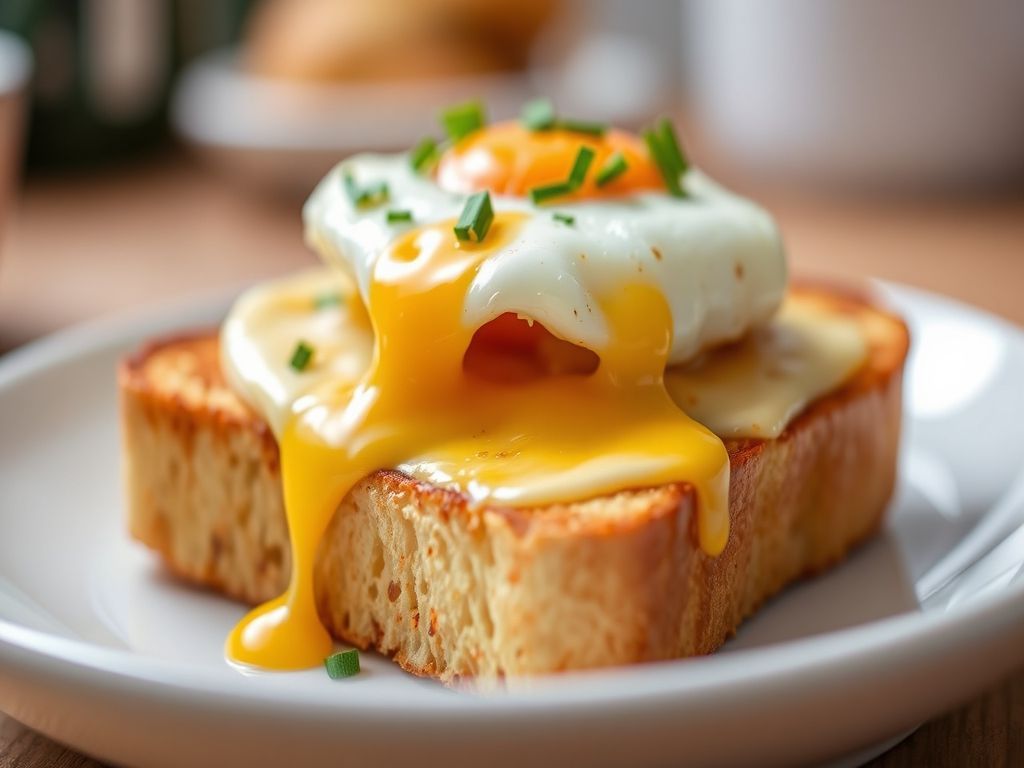
Add Layers: Drizzle with a good quality olive oil. Sprinkle with red pepper flakes for a kick. Add everything bagel seasoning for crunch and savory notes. For a plant-forward twist, I sometimes add thinly sliced radishes for peppery crunch or a handful of microgreens for freshness. You could even top it with a sprinkle of nutritional yeast for a 'cheesy' hint. This takes literally 2-3 minutes, but it's a world away from just avocado on toast.
Bringing It All Together: A Symphony of Strategy, Ingredients, and Flavor
The beauty of these three strategies isn't just in their individual power, but in how seamlessly they interlock to create a truly enjoyable brunch experience. When you strategically prep, you're not just saving time; you're setting yourself up to make intelligent ingredient choices on Sunday morning because everything is ready to go. You're less likely to reach for processed, less flavorful options when fresh, pre-chopped vegetables are staring at you from the fridge.
And when you combine that smart prep with thoughtful ingredient selection, you inherently build a strong foundation for maximum flavor. Pre-roasted sweet potatoes, for instance, are not only a time-saver but also develop a deeper, sweeter flavor than if cooked from raw on Sunday morning. Pairing them with a pre-made spicy peanut dressing creates a harmonious explosion of taste and texture that feels gourmet, but took minimal effort.
This interconnected approach means that your busy week doesn't have to dictate a bland weekend. You can wake up, enjoy a leisurely coffee, and then, with just 15-20 minutes of active time, assemble a vibrant, delicious, and satisfying brunch that nourishes both your body and your weekend spirit. It allows you to prove, as I've aimed to do for myself, that vegetable-forward eating can be incredibly rewarding and easy, even when you're short on time and energy.
Conclusion: Your Weekend Brunch Revolution Starts Now
Forget the myth that a fantastic weekend brunch for busy professionals must be a complex undertaking. By embracing strategic prep, making intelligent ingredient choices, and prioritizing simple yet impactful flavor-building techniques, you can transform your Sunday mornings. These three pillars – getting ahead with prep, selecting ingredients that work hard for you, and focusing on accessible ways to boost taste – are your roadmap to a relaxed, delicious, and genuinely satisfying brunch.
So, what's one specific action you can take this week? Pick one vegetable, like bell peppers or onions, and chop it ahead of time on Friday evening. Store it in an airtight container. Then, on Sunday, use it as the base for a quick scramble or a simple sauté. You'll be amazed at how much difference that single step makes, and it's the perfect way to begin your own stress-free brunch revolution.
Previous
Easy Korean Recipes for Beginners: Family Meals Simplified
Next
Korean Side Dishes for Dieting: My Hard-Won Guide to Preventing Kitchen Fails
More in Recipes
Healthy Smoothie Recipes for Vegetarians: Quick Blends
Discover healthy smoothie recipes perfect for vegetarians, focusing on quick prep and nutrient-rich ingredients. Learn to blend delicious, fast meals and avoid common mistakes with practical tips.
Budae Jjigae for Beginners: A Healthy, Easy Diet Version
Learn to make a healthy diet Budae Jjigae with simple steps. This beginner-friendly guide helps you enjoy Korean Army Stew while keeping it light and flavorful.
Korean Side Dishes for Dieting: My Hard-Won Guide to Preventing Kitchen Fails
Tired of failed Korean side dishes on your diet? Brian shares his honest journey and hard-won tips for preventing common kitchen mistakes to make delicious, healthy banchan.
Easy Korean Recipes for Beginners: Family Meals Simplified
Discover easy Korean recipes perfect for beginners and picky eaters. Linda, a mom of two, shares practical tips to adapt flavors for the whole family, making weeknight dinners stress-free.