Pet Food Selection for New Owners: Avoiding Common Pitfalls

Key Takeaways
Navigating pet food selection as a new owner can be tough. This guide helps you understand labels, ingredients, and common pitfalls, based on real experience. Consult your vet for advice.
Pet Food Selection for New Owners: Avoiding Common Pitfalls
Honestly, I spent years thinking that all pet food was pretty much the same. As long as it was a recognizable brand and my cats, Mittens and Shadow, ate it without complaint, I figured I was doing okay. I was wrong. My wake-up call came when Mittens developed persistent digestive issues and a dull coat, despite eating what I thought was 'good' food. It took numerous vet visits and a lot of research to understand just how much I'd been missing. That experience burned me, and ever since, I've been a strong believer in evidence-based decisions, especially when it comes to the health of my furballs.
General Information Disclaimer
Before we dive in, I need to make something crystal clear: I'm just a guy who loves his cats and has learned a lot through personal experience and extensive research. This article provides general information only and should not be considered a substitute for professional veterinary advice. Every pet is unique, and what works for Mittens and Shadow might not be right for yours. Please, always consult a qualified veterinarian for any specific diagnosis, treatment, or dietary recommendations for your beloved companion.
The Overwhelming Pet Food Aisle: A New Owner's Nightmare
For a new pet owner, walking into the pet food aisle can feel like stepping into a labyrinth designed by a mad scientist. The sheer volume of choices is staggering: dry kibble, wet food, raw food, limited ingredient diets, grain-free, organic, senior, puppy/kitten, breed-specific... the list goes on. Each bag boasts vibrant images and compelling claims – 'finest ingredients,' 'optimal health,' 'natural goodness.' It's enough to make anyone's head spin. I remember staring at rows of bags, feeling utterly clueless, and often just grabbing whatever was on sale or had the prettiest packaging. This approach, I quickly learned, is a recipe for potential problems.
This isn't just about making a trivial purchase; it's about making a decision that directly impacts your pet's health, energy levels, coat quality, and even their lifespan. The problem isn't a lack of options; it's the lack of clear, actionable guidance amidst the marketing noise. New owners, often relying on well-meaning but sometimes misinformed advice from friends or online forums, can easily fall into common pitfalls that lead to suboptimal nutrition for their pets.
Why Is Choosing Pet Food So Confusing for First-Timers?
The root causes of this confusion are multifaceted, stemming from a blend of aggressive marketing, complex nutritional science, and a general lack of consumer education on pet food standards. Pet food manufacturers, like any other industry, use marketing tactics to differentiate their products. These tactics often highlight buzzwords or trends without necessarily providing full context or scientific backing.
Misleading Marketing and Buzzwords
One of the biggest culprits, in my opinion, is the prevalence of marketing hype. You'll see bags emblazoned with 'grain-free,' 'human-grade,' or 'ancestral diet.' While these terms might sound appealing, they don't always translate to better nutrition for your specific pet. For example:
**Grain-Free:
This trend exploded, largely driven by misconceptions that grains are inherently bad for pets or cause allergies. In reality, true grain allergies in pets are rare, affecting less than 1% of dogs and cats, according to some veterinary dermatologists. The concern now, as highlighted by the FDA, is a potential link between certain grain-free diets (especially those high in peas, lentils, and potatoes) and dilated cardiomyopathy (DCM) in dogs, a serious heart condition. This was a huge eye-opener for me.
**Human-Grade:
This simply means the ingredients themselves were deemed fit for human consumption *before
they went into the pet food. It doesn't mean the final product is balanced for a pet, nor does it guarantee superior nutritional value over a non-human-grade ingredient that is perfectly suitable for animal consumption.
**By-products:
Often maligned, 'meat by-products' can actually be highly nutritious, containing organs like liver, kidney, and lungs, which are packed with vitamins and minerals. The key is knowing the source and quality.
Lack of Understanding of Regulatory Standards
Unlike human food, which has strict FDA regulations for labeling and nutritional claims, pet food regulations can be a bit more opaque to the average consumer. In the United States, the Association of American Feed Control Officials (AAFCO) plays a crucial role. AAFCO sets nutritional standards and guidelines for pet food, but they don't regulate or approve individual pet food products. Pet food companies *self-certify
- that their products meet AAFCO standards. This means understanding what to look for on a label is paramount.
How to Decode Pet Food Labels and Make Informed Choices
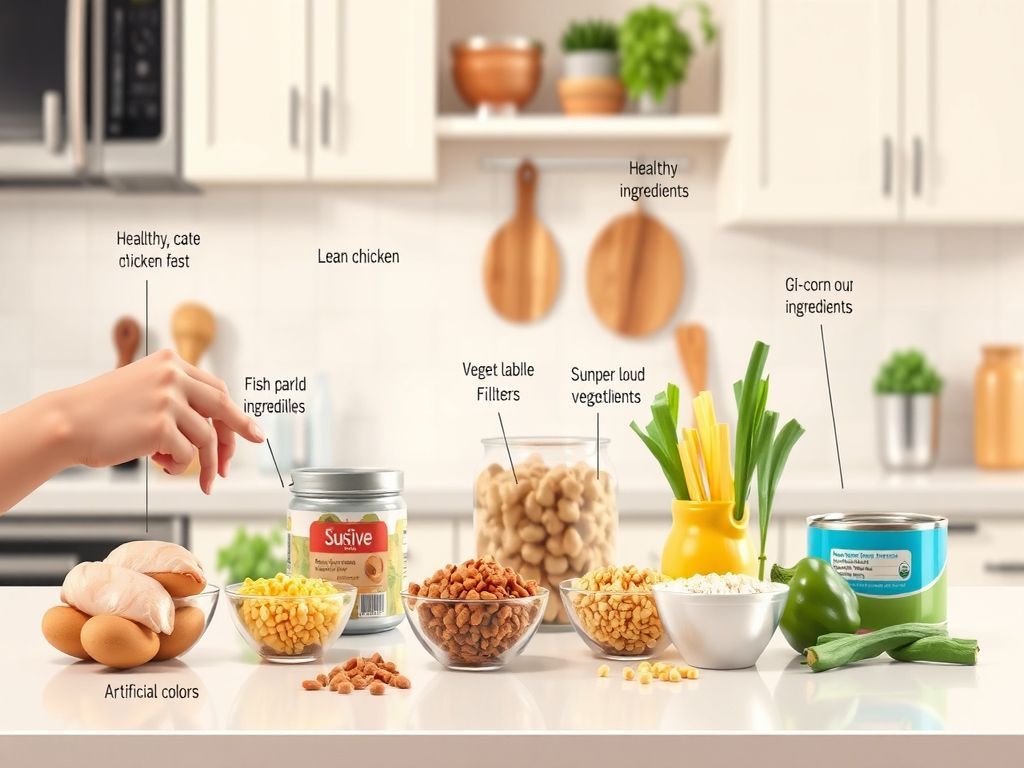
Once I started educating myself, I realized the pet food label isn't just a list of ingredients; it's a legal document that, once you know how to read it, provides a wealth of information. This is where the real work begins, but it's incredibly empowering.
Here’s my step-by-step guide to decoding pet food labels:
- **Look for an AAFCO Statement:
- This is non-negotiable. Somewhere on the bag, typically near the nutritional analysis, you should find a statement like: "[Product Name] is formulated to meet the nutritional levels established by the AAFCO Dog/Cat Food Nutrient Profiles for [Life Stage, e.g., 'all life stages,' 'growth,' 'maintenance']." This tells you the food is nutritionally complete and balanced for the specified life stage. If it says 'intermittent or supplemental feeding only,' it's not a complete diet.
- **Scrutinize the Ingredient List:
Ingredients are listed by weight, from heaviest to lightest. This is where quality really shows. My rule of thumb:
**Prioritize Named Meats:
Look for specific meat sources like 'chicken,' 'beef,' 'salmon,' or 'lamb' as the first one or two ingredients. These provide essential animal-based protein.
Understand Meat Meals: 'Chicken meal,' 'beef meal,' etc., are concentrated forms of meat with most of the water removed, making them excellent protein sources. Don't be fooled into thinking they're inferior to whole meat; in some cases, they can be more nutrient-dense.
Be Wary of Vague Terms: 'Meat by-products,' 'animal fat,' or 'poultry meal' can be acceptable if from a reputable brand, but 'meat and bone meal' or 'animal digest' are often less desirable as their source is unclear. I personally prefer named sources for my cats.
**Carbohydrates:
Grains like rice, barley, or oats are good sources of energy and fiber. Avoid foods with excessive amounts of corn, wheat, or soy as primary ingredients, especially if your pet shows any sensitivities (though true allergies are rare, as I mentioned).
**Fats:
Look for named fat sources like 'chicken fat' or 'salmon oil,' which provide essential fatty acids for skin and coat health.
**Avoid Artificial Additives:
My personal preference is to avoid artificial colors, flavors, and preservatives like BHA, BHT, and ethoxyquin. Natural preservatives like mixed tocopherols (Vitamin E) are preferable.
- **Check the Guaranteed Analysis:
This panel lists the minimum percentages of crude protein and crude fat, and maximum percentages of crude fiber and moisture. While it's a starting point, remember:
**Dry Matter Basis:
For accurate comparison, especially between wet and dry food, you need to convert to a dry matter basis. For example, a wet food with 8% protein and 75% moisture has a dry matter protein of 32% (8 / (1 - 0.75)). This is crucial for comparing apples to apples.
**Protein Levels:
For cats, I aim for at least 30-40% crude protein on a dry matter basis, reflecting their carnivorous needs. For dogs, it varies more by breed and activity, but typically 20-30% is a good range.
- **Consider Calorie Content:
- The label should state the caloric content (kcal/cup or kcal/kg). This is vital for portion control and preventing obesity, a common issue I discuss with my vet regularly. A 10-pound cat might need around 200-250 kcal per day, but this varies wildly.
The Most Important Step: Consult Your Veterinarian
This cannot be stressed enough. After Mittens' digestive issues, my vet became my primary source of information. They know your pet's medical history, breed predispositions, activity level, and specific health needs. Before making any significant dietary change, particularly for puppies, kittens, senior pets, or those with existing health conditions, always talk to your vet. They can help you navigate the options and recommend brands or formulations best suited for your individual pet. I see my vet at least once a month, not just for emergencies, but for proactive health discussions, including diet.
Beyond the Bag: Factors Affecting Your Pet's Dietary Needs
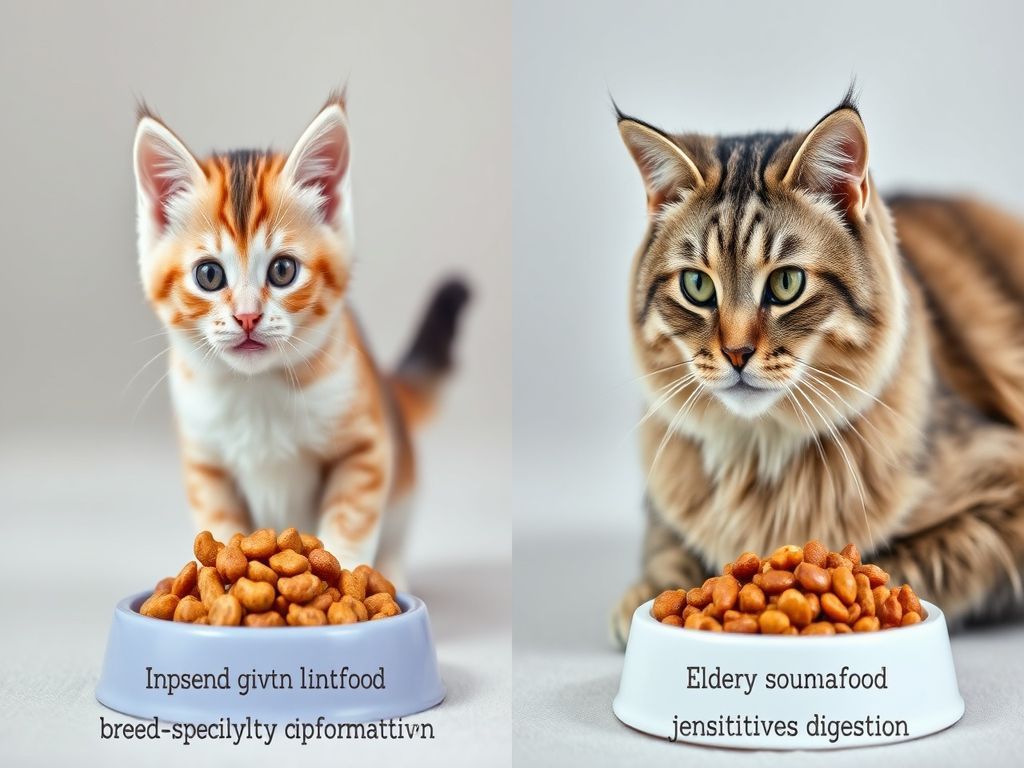
Choosing the right food isn't a one-time decision based solely on the label. Your pet's nutritional requirements will evolve throughout their life, influenced by several key factors. Ignoring these can lead to health problems down the line.
Life Stage
**Puppies/Kittens:
Require higher protein, fat, and specific nutrients (like DHA for brain development) to support rapid growth. Their food should be labeled 'growth' or 'all life stages.'
**Adults:
Need a balanced diet for maintenance, typically labeled 'adult maintenance.'
**Seniors:
Often benefit from lower calorie, higher fiber, and joint-supporting ingredients (glucosamine, chondroitin) as their metabolism slows and activity decreases. My older cat, Shadow, is now on a senior formula after consulting with my vet, which has made a noticeable difference in his mobility over the past 6 months.
Activity Level
A highly active dog or an outdoor cat will burn more calories and require more energy-dense food than a sedentary indoor pet. Overfeeding an inactive pet, even with 'good' food, is a common mistake that leads to obesity.
Health Conditions
This is where veterinary consultation is absolutely critical. Pets with specific health issues may require therapeutic diets:
**Kidney Disease:
Low protein, low phosphorus diets.
**Diabetes:
High fiber, controlled carbohydrate diets.
**Allergies/Sensitivities:
Limited ingredient or hydrolyzed protein diets. Mittens, for example, did a trial on a novel protein diet to rule out certain triggers.
**Urinary Issues:
Specially formulated diets to manage pH levels or dissolve crystals.
Breed Size
Large breed puppies, for instance, need carefully controlled calcium and phosphorus levels to prevent orthopedic problems during rapid growth. Small breeds might need smaller kibble sizes. While I don't have dogs, I've learned this through friends' experiences and vet discussions.
Preventing Future Food Fiascos: A Proactive Approach
The goal isn't just to choose a good food initially but to maintain optimal nutrition throughout your pet's life. This requires vigilance, adaptability, and an ongoing partnership with your veterinarian.
Regular Veterinary Check-ups and Dietary Reviews
As I mentioned, I see my vet monthly for various reasons, and diet is always a topic. Annual or bi-annual check-ups are essential for all pets. During these visits, discuss your pet's current diet, weight, activity level, and any changes you've observed. Your vet can provide objective feedback and recommend adjustments. For example, last year, my vet noticed Shadow was putting on a little weight, and we adjusted his portion size by about 15 grams per meal, which helped him get back to a healthy weight within 3 months.
Monitoring Your Pet's Health Indicators
Become an observant pet parent. Look for these signs that your pet's food might be working (or not):
**Energy Levels:
Is your pet active and playful, or lethargic?
**Coat Quality:
Is it shiny and soft, or dull, greasy, or flaky?
**Stool Consistency:
Firm, well-formed stools are ideal. Diarrhea or constipation indicates an issue.
**Appetite and Thirst:
Is your pet eating and drinking normally?
**Weight:
Maintain a healthy body condition score (your vet can show you how to assess this).
**Odor:
Excessive body odor or bad breath can sometimes be linked to diet.
Gradual Food Transitions
If you do need to change your pet's food, do it gradually over 7-10 days. A sudden change can cause digestive upset. Start by mixing 25% new food with 75% old food for a few days, then 50/50, then 75% new, and finally 100% new. This allows their digestive system to adjust smoothly.
Stay Informed, But Be Critical
Continue to educate yourself about pet nutrition, but always critically evaluate information, especially online. Look for reputable sources like veterinary colleges, board-certified veterinary nutritionists, and established pet health organizations. Be wary of anecdotal evidence or claims that sound too good to be true. Remember my experience: I got burned by not checking sources, and now I'm extremely diligent.
Conclusion
Choosing the right pet food for a new companion can feel like a daunting task, but it's one of the most impactful decisions you'll make for their long-term health and well-being. My journey with Mittens and Shadow taught me that relying on assumptions or marketing hype is a disservice to our pets. Instead, an evidence-based approach, combined with expert veterinary guidance, is the only way to go.
Here are three key takeaways to remember:
- **Be a Label Detective:
- Learn to read and understand pet food labels, focusing on AAFCO statements, specific ingredients, and the guaranteed analysis to ensure nutritional completeness.
- **Your Vet is Your Best Ally:
- Always consult your veterinarian for personalized dietary advice, especially when considering life stage changes, health conditions, or any major food transitions.
- **Monitor and Adapt:
- Pet nutrition is not static. Continuously monitor your pet's health indicators and be prepared to adjust their diet as their needs evolve throughout their life.
Your specific action to take today? Schedule an initial vet visit for your new pet if you haven't already, and bring the label of their current food with you. Discuss it with your vet, ask questions, and start building that crucial partnership for your pet's health.
Previous
Cat Heat Management: Keeping Felines Cool and Hydrated This Summer
Next
Pet Health Check-Up Frequency: Essential for New Owners
More in Pets

Cat Eye Disease Prevention: Essential Guide to Feline Eye Health
Learn effective cat eye disease prevention and management strategies. This guide covers proactive vet care, home observation, environmental factors, and nutrition for optimal feline eye health.

Preventing Dog Patellar Luxation: A Multi-Pet Owner's Guide
Learn practical dog patellar luxation prevention strategies from an experienced multi-pet owner. Discover home care tips to protect your canine companions' joint health.

Winter Cat Health: A Comprehensive Guide to Feline Wellness
Ensure optimal winter cat health with our comprehensive guide. Learn about common risks, essential care tips, and how to keep your feline safe and comfortable during colder months.

Pet Health Check-Up Frequency: Essential for New Owners
Pet health check-up frequency is crucial for new owners. Learn common myths, the truth about vet visits, and practical steps to ensure your furry friend's long-term well-being.