Preventing Dog Patellar Luxation: A Multi-Pet Owner's Guide
Key Takeaways
Learn practical dog patellar luxation prevention strategies from an experienced multi-pet owner. Discover home care tips to protect your canine companions' joint health.
Preventing Dog Patellar Luxation: A Multi-Pet Owner's Guide
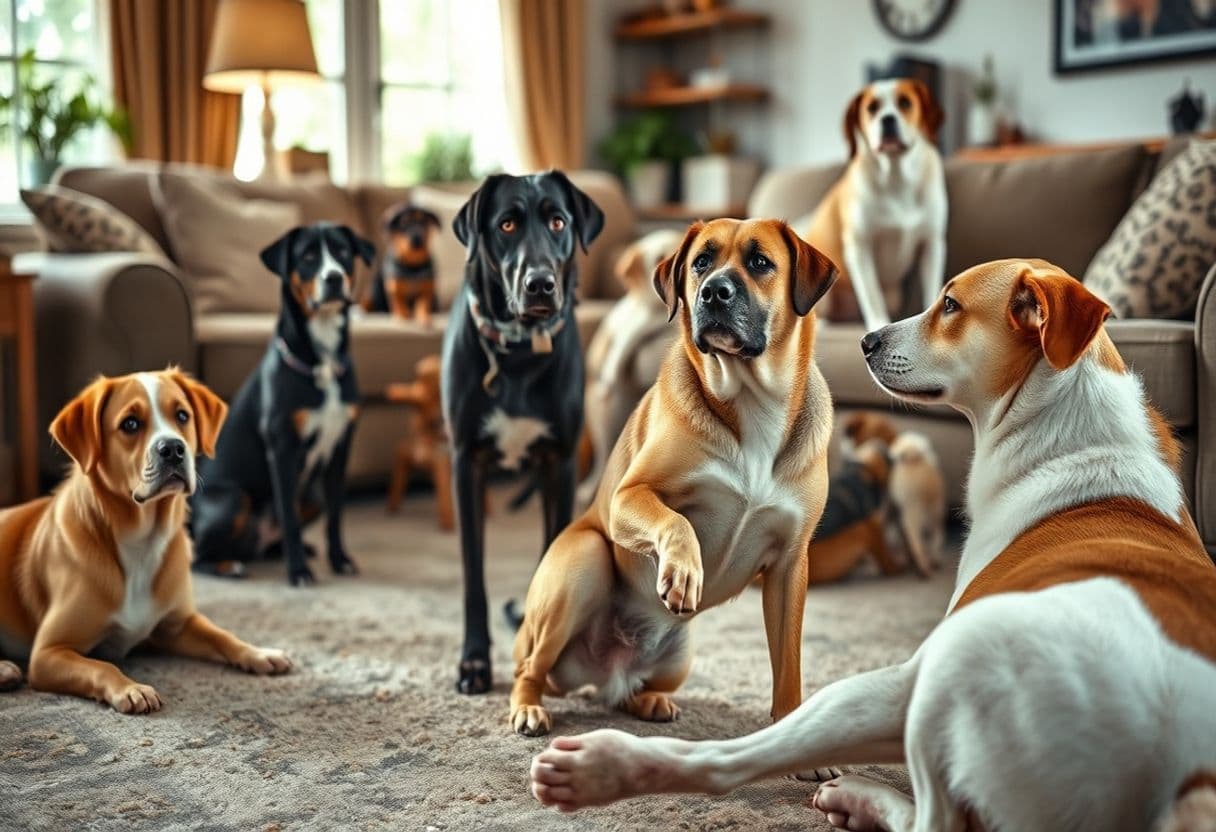
The short answer is: yes, you absolutely can take significant, proactive steps to prevent patellar luxation in your dogs, especially when managing a multi-pet household. Here's why: while genetics play a role in predisposing certain breeds to this condition, environmental factors, lifestyle choices, and diligent home care are immensely powerful in mitigating risk and promoting strong, healthy joints. As someone who has cared for multiple dogs over the years, I've learned that consistency, observation, and a tailored approach can make all the difference in safeguarding our furry companions from this common and often painful orthopedic issue.
What You Need Before Starting: The Essentials for Proactive Joint Care
Embarking on a journey to prevent patellar luxation in your dogs requires more than just good intentions; it demands a specific mindset, the right tools, and a clear understanding of the commitment involved. For multi-pet owners like myself, this also means considering the dynamics between different dogs, their sizes, ages, and play styles.
A Proactive & Observational Mindset
Before anything else, cultivate a mindset of vigilance and proactive care. This means regularly observing your dogs' movements, gait, and overall comfort levels. Are they hesitant to jump? Do they favor a leg after vigorous play? Subtle changes can be early indicators. It also means committing to a routine of preventative measures, understanding that consistency is key.
Essential Tools & Materials
To effectively prevent patellar luxation, you'll need to equip your home and your routine with specific items:
- Non-Slip Floor Coverings: This is non-negotiable for homes with hard surfaces like tile, hardwood, or laminate. Invest in large area rugs, runners, or even temporary non-slip mats for high-traffic areas where your dogs play, eat, or frequently walk. A study published by the American Veterinary Medical Association (AVMA) in 2017 highlighted environmental factors, including slippery surfaces, as contributing to orthopedic injuries in dogs.
- Appropriate Feeding Bowls & Scales: Each dog needs to maintain an ideal body weight. This requires accurate portion control. A kitchen scale for measuring food precisely is invaluable, especially when managing different dietary needs across multiple pets. Elevated bowls can also be beneficial for larger breeds to prevent neck strain, though their direct impact on patellar luxation prevention is less established.
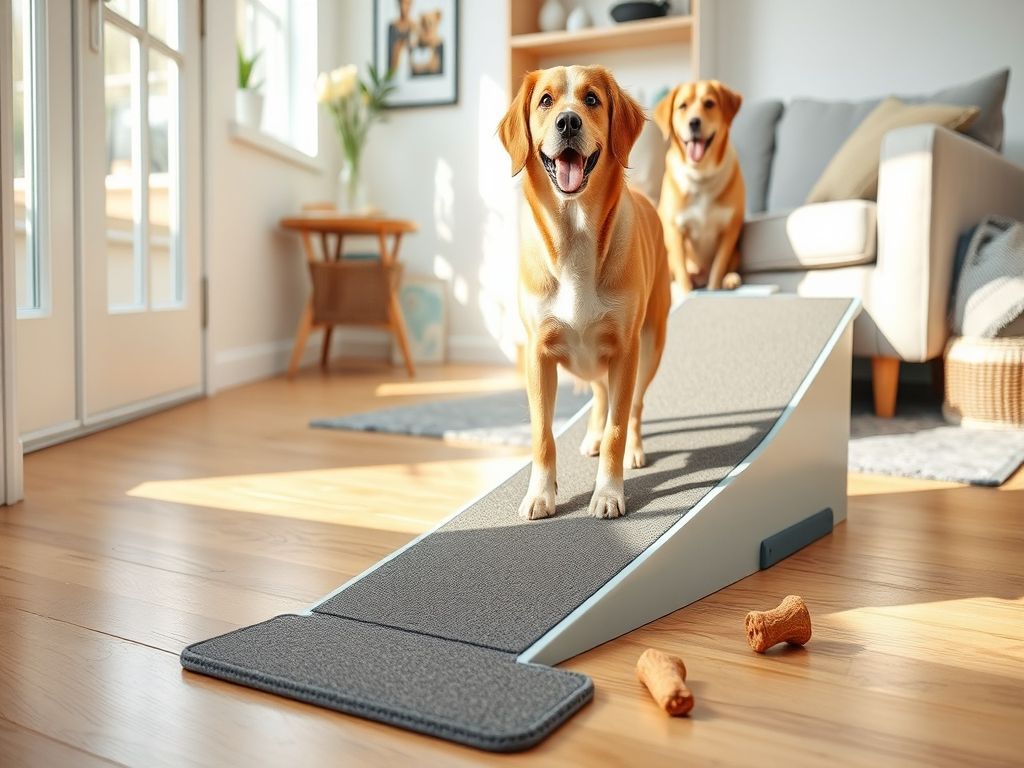
- Ramps or Pet Stairs: For dogs that frequently jump on and off furniture (couches, beds) or into/out of vehicles, ramps or pet stairs can significantly reduce repetitive joint stress. This is particularly important for small breeds, senior dogs, or those already showing signs of joint weakness.
- High-Quality Leash & Harness: A well-fitting harness (rather than a collar that pulls on the neck) can provide better control during walks and prevent sudden jerks that could strain joints. Opt for a Y-front harness that allows for full shoulder movement.
- Veterinary Contact Information: Establish a good relationship with your veterinarian and have their contact details readily available. Regular check-ups are a cornerstone of prevention, and prompt professional advice is crucial if you notice any concerning symptoms.
- Joint Supplements (Vet-Approved): While not a standalone solution, certain supplements can support joint health. These often include glucosamine, chondroitin, and omega-3 fatty acids. Always consult your vet before introducing any supplements to your dog's diet, especially in a multi-pet setting where different dogs might have different needs or sensitivities. Common Failure Point: A common mistake I've observed is underestimating the effort required or thinking prevention is only for specific breeds. Patellar luxation can affect any dog, and a proactive approach benefits all. Many owners delay implementing preventative measures until a problem arises, which can be too late for early intervention.
Your Step-by-Step Process for Patellar Luxation Prevention
Preventing patellar luxation is an ongoing commitment that involves several key areas of your dog's daily life. This comprehensive approach, honed through years of multi-pet ownership, focuses on minimizing risk factors and bolstering joint resilience. Consistency across all your canine companions is paramount, even if their individual needs vary slightly.
Step 1: Prioritize Optimal Weight Management
Why it's crucial: Excess body weight is arguably the single most significant preventable factor contributing to joint stress and, by extension, patellar luxation. Every extra kilogram places undue strain on a dog's knees, accelerating cartilage wear and increasing the risk of instability. Maintaining an ideal body condition score (BCS) is foundational.
How to implement it:
Regular Weigh-ins: Weigh your dogs monthly using a reliable scale. For small dogs, a kitchen scale works well; for larger breeds, your vet's office often has one you can use. Keep a record of their weight to track trends.
Precise Portion Control: Avoid free-feeding, especially in multi-pet households where one dog might overeat or steal food from another. Measure out each dog's meals precisely according to their individual caloric needs, age, and activity level. For example, a 10 kg dog might need 150g of kibble twice a day, while a less active dog of the same size might need slightly less.
High-Quality Diet: Feed a balanced, high-quality dog food appropriate for their life stage and breed size. Look for reputable brands that prioritize whole ingredients and proper nutrient ratios. Consult your vet for specific brand recommendations.
Limited Treats: Treats should make up no more than 10% of your dog's daily caloric intake. Opt for low-calorie, healthy options like carrot sticks or small pieces of apple instead of processed dog biscuits. Common Failure Point: One significant oversight is allowing dogs to become 10-15% overweight. Many owners, myself included at times, misinterpret a 'chubby' dog as healthy or happy. However, even a small amount of extra weight can significantly impact joint health over time. Another issue in multi-pet homes is ensuring each dog eats only their allotted food, which might require separate feeding areas or supervised mealtimes.
Step 2: Create a Safe, Non-Slip Environment
Why it's crucial: Sudden slips, falls, or uncontrolled skidding on slick surfaces can cause acute trauma to the knee joint, potentially leading to luxation. Even minor, repetitive slipping can contribute to chronic instability. Creating a secure footing for your dogs is essential for injury prevention.
How to implement it:
Cover Hard Floors: As mentioned, use rugs, runners, or carpet tiles on all hard floors where your dogs have access. Ensure these coverings are securely anchored to prevent them from slipping themselves. For example, placing rubber-backed runners in hallways and large area rugs in living spaces can provide ample traction.
Paw Pad Maintenance: Keep your dogs' nails trimmed short and the fur between their paw pads clipped. Long nails or excessive fur can reduce traction, making them more prone to slipping. Aim for nail trims every 3–4 weeks.
Avoid Wet Surfaces: Be mindful of wet floors from spills or after mopping. Ensure these areas are completely dry before allowing your dogs to walk on them.
Outdoor Safety: Inspect your yard for uneven terrain, holes, or slippery patches that could cause a fall during play. Common Failure Point: Many owners overlook the cumulative effect of minor slips. A single dramatic fall is obvious, but repeated micro-traumas from daily skidding can be just as damaging. I've personally seen how quickly a dog can injure themselves on a polished floor during a burst of zoomies, emphasizing the need for
[a comprehensive guide to creating a pet-safe home environment](https://example.com/pet-safe-home).
Step 3: Implement Controlled Exercise & Activity
Why it's crucial: Appropriate exercise builds strong muscles that support the knee joint, improving stability. Conversely, too much high-impact activity or insufficient exercise can both be detrimental. The goal is muscle development without excessive stress.
How to implement it:
Moderate, Consistent Walks: Aim for 2–3 daily walks of 20–30 minutes each, depending on your dog's breed, age, and energy level. Keep walks on leash to control speed and prevent sudden, uncontrolled movements.
Avoid High-Impact Activities: Limit activities involving excessive jumping, twisting, or quick stops and starts, such as frisbee, agility drills, or prolonged rough play on hard surfaces. For example, discourage jumping off high furniture or repeatedly chasing balls up and down stairs.
Low-Impact Alternatives: Incorporate low-impact exercises like swimming, which is excellent for building muscle without joint strain. Even 1–2 sessions of 15–20 minutes a week can be highly beneficial if access to a safe swimming area or hydrotherapy center is available.
Supervised Play: In multi-pet households, supervise play sessions closely. Ensure that smaller or less robust dogs aren't subjected to overly rough play by larger, more energetic companions. Intervene if play becomes too boisterous or involves repeated pouncing or wrestling that could stress joints. Common Failure Point: Over-exercising a young, energetic dog or under-exercising an older one. Both can lead to problems. Another mistake is allowing uncontrolled play between dogs of vastly different sizes or temperaments, where a smaller dog might get accidentally injured. Understanding
[canine body language during play](https://example.com/dog-body-language)can help prevent such incidents.
Step 4: Nutritional Support & Joint Supplements
Why it's crucial: While a balanced diet is fundamental for overall health, specific nutrients and supplements can provide additional support for joint cartilage, synovial fluid, and anti-inflammatory processes, further strengthening the knee joint's resilience.
How to implement it:
High-Quality Diet Foundation: Ensure your dog's primary diet is complete and balanced, providing all essential vitamins and minerals. Some premium dog foods are formulated with joint health in mind, containing ingredients like fish oil or specific protein sources.
Vet-Approved Joint Supplements: Discuss with your veterinarian which supplements might be beneficial for your dogs. Common ingredients include:
- Glucosamine and Chondroitin: These are building blocks for cartilage and help maintain the elasticity and shock-absorbing properties of joints.
- Omega-3 Fatty Acids (EPA/DHA): Found in fish oil, these have anti-inflammatory properties that can reduce joint pain and swelling. Aim for a supplement with at least 500mg EPA+DHA per 10 kg of body weight daily, adjusted for your dog's size.
- MSM (Methylsulfonylmethane): Another compound thought to reduce inflammation and support connective tissue.
- Consistent Administration: If your vet recommends supplements, administer them consistently as directed. It can take several weeks (4–6 weeks is common) to see noticeable benefits. Common Failure Point: Self-prescribing supplements without veterinary guidance. Not all supplements are created equal, and some may interact with medications or be inappropriate for certain health conditions. Additionally, some owners expect supplements to be a 'magic bullet' rather than one component of a holistic prevention strategy. For more detailed information, consider reading
[this detailed guide on canine nutrition and supplements](https://example.com/canine-nutrition-supplements).
Step 5: Regular Veterinary Check-ups & Early Detection
Why it's crucial: Your veterinarian is your most valuable partner in preventive care. Regular check-ups allow for professional assessment of your dog's musculoskeletal health, early detection of subtle issues, and personalized advice based on their breed, age, and individual risk factors.
How to implement it:
Annual Wellness Exams: Schedule annual physical examinations for all your dogs. For senior dogs or those with known predispositions, more frequent check-ups (e.g., every 6 months) may be recommended.
Discuss Breed Predispositions: Inform your vet about your dog's breed(s) and any known family history of patellar luxation. This allows them to pay closer attention to specific areas during the exam.
Physical Palpation: During the exam, your vet will gently palpate your dog's knees and other joints to check for instability, pain, or crepitus (a grinding sound or sensation).
Prompt Attention to LameNess: If you notice any limping, stiffness, or changes in gait, don't wait for the annual check-up. Contact your vet immediately for an assessment. Early diagnosis of a mild luxation can allow for non-surgical management and aggressive preventive measures to prevent progression. Common Failure Point: Ignoring subtle signs of discomfort or attributing them to 'just getting old.' Many joint issues are treatable or manageable if caught early. Delaying veterinary attention can allow a minor problem to worsen significantly.
Step 6: Mindful Handling & Interaction
Why it's crucial: Accidental injuries from improper handling or uncontrolled interactions, especially in a multi-pet environment, can directly cause or exacerbate patellar luxation. Being mindful of how you and your other pets interact with each dog minimizes trauma.
How to implement it:
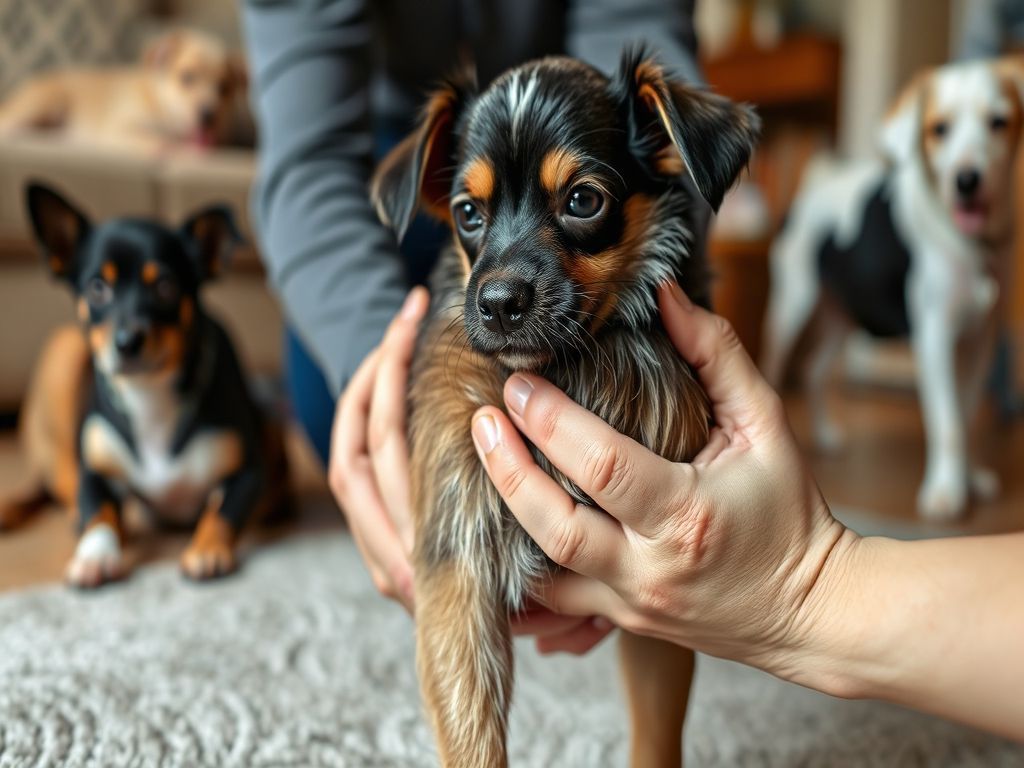
Proper Lifting Techniques: If you need to lift your dog, support their body properly, distributing weight evenly. Avoid lifting by their front legs or under their armpits, which can strain shoulders and spine. Support their chest and hindquarters.
Use Ramps/Stairs: Encourage the use of ramps or stairs for accessing furniture or vehicles, rather than allowing dogs to jump. This is especially important for breeds prone to joint issues or dogs recovering from injury.
Supervise Multi-Dog Play: While play is vital for mental and physical health, supervise interactions carefully in a multi-pet home. Ensure that play is appropriate for all participants. For example, a boisterous large dog might inadvertently injure a smaller, more delicate companion during play. Use positive reinforcement to teach appropriate play behavior. Common Failure Point: Allowing unsupervised roughhousing, especially between dogs of vastly different sizes or play styles. A playful pounce from a 30 kg dog onto a 5 kg dog, even if unintentional, can lead to serious injury. Similarly, constantly lifting a small dog incorrectly can cause chronic strain.
How Do You Know Your Prevention Efforts Are Working? What Success Looks Like
Observing your dogs for signs of good joint health and early indicators of potential issues is a continuous process. Success in patellar luxation prevention isn't just about avoiding a diagnosis; it's about seeing your dogs thrive with comfortable, mobile joints throughout their lives.
Signs of Optimal Joint Health
When your preventive measures are effective, you'll likely observe these positive indicators:
- Smooth, Unrestricted Gait: Your dogs walk, run, and move fluidly without any noticeable limping, stiffness, or favoring of a leg. Their stride should be even and confident.
- Eagerness for Activity: They show enthusiasm for walks, playtime, and daily activities. There's no hesitation or reluctance when asked to jump (onto a ramp) or engage in their favorite games.
- Good Muscle Tone: Their leg muscles, particularly around the hindquarters, should feel firm and well-developed, indicating strong support for their joints. A healthy dog typically has a visible waistline and ribs that are easily felt but not seen.
- Pain-Free Handling: They show no signs of discomfort or pain when their legs are gently handled or when moving from a lying to a standing position. They should be able to stretch and reposition themselves comfortably.
- Consistent Energy Levels: While energy levels naturally fluctuate with age, a dog with good joint health typically maintains consistent energy appropriate for their age and breed, without unexplained lethargy or reluctance to move.
Indicators of Potential Issues to Watch For
Even with the best preventive care, it's essential to remain vigilant. If you notice any of these signs, consult your veterinarian promptly:
- Intermittent Limping or 'Skipping': This is often the first noticeable sign of patellar luxation. Your dog might take a few steps, suddenly hop on three legs for a stride or two, then return to normal. This 'skipping' typically occurs when the patella slips out and then back into place.
- Hesitation to Jump or Use Stairs: A reluctance to engage in activities they once enjoyed, such as jumping onto the couch or climbing stairs, can indicate joint pain.
- Stiffness After Rest: Dogs with joint discomfort might appear stiff, especially after waking up from a nap or prolonged rest. This stiffness often lessens after a few minutes of movement.
- Abnormal Leg Position: You might notice your dog holding a leg at an unusual angle or 'sitting' with one leg extended out to the side.
- Audible 'Clicks' or 'Pops': While not always indicative of luxation, any new sounds from the joints during movement warrant veterinary investigation. Common Failure Point: Many owners attribute early signs of joint discomfort to 'just getting old' or 'a bit stiff today.' This normalizes symptoms that could be indicative of an underlying issue, delaying professional assessment and potential intervention. Early detection is key to effective management, even if a condition has already begun to develop.
Advanced Tips for Maintaining Optimal Canine Joint Health
Beyond the foundational steps, there are additional strategies you can incorporate to further enhance your dogs' joint health and provide an extra layer of protection, particularly for those with genetic predispositions or very active lifestyles.
Consider Canine Physiotherapy or Hydrotherapy
For some dogs, especially those with a history of minor injuries or breeds known for joint issues, professional physiotherapy or hydrotherapy (underwater treadmill or swimming in a controlled environment) can be incredibly beneficial. These therapies build muscle strength and improve range of motion in a safe, low-impact manner, guided by a certified professional. This can be a significant advantage in a multi-pet home where different dogs might have varying needs for targeted support.
Stay Informed on Breed-Specific Risks
If you have purebred dogs, research their breed's specific predispositions to orthopedic conditions, including patellar luxation. This knowledge empowers you to be even more vigilant and discuss these risks proactively with your veterinarian. For example, breeds like Chihuahuas, Pomeranians, Yorkshire Terriers, and Boston Terriers are statistically more prone to this condition. Knowing your breed's risk factors, which can be as high as 10–15% in some small breeds according to veterinary orthopedic specialists, allows for tailored prevention strategies.
Ensure Consistent Routines & Gradual Changes
Dogs thrive on routine. Sudden, drastic changes in diet, exercise, or environment can sometimes lead to stress or accidental injury. When introducing new foods, supplements, or exercise routines, do so gradually over several days to weeks, allowing your dogs' bodies to adapt without shock.
Provide Mental Enrichment Without Joint Strain
Mental stimulation is just as important as physical exercise. Utilize puzzle toys, training sessions, and scent work that engage your dog's mind without putting stress on their joints. This is especially useful for dogs on restricted exercise or those who need to maintain a calm demeanor to protect their knees.
Conclusion
Preventing patellar luxation in your beloved dogs, especially in a bustling multi-pet household, is a multifaceted but entirely achievable goal. By focusing on a few critical areas, you can significantly reduce their risk and set them up for a lifetime of comfortable movement. Remember these three key takeaways:
Weight management and environmental safety are the cornerstones of prevention, reducing direct stress and injury risk to their knee joints.
Controlled, consistent exercise and appropriate nutritional support build strong muscles and provide the necessary building blocks for healthy cartilage.
Regular veterinary check-ups and your vigilant observation are essential for early detection and intervention, ensuring any issues are addressed swiftly. Your specific action to take today: Take five minutes to observe each of your dogs' movements closely during their next walk or play session. Note any hesitations, stiffness, or unusual gaits. If you spot anything concerning, schedule a chat with your vet. Proactive observation is the first step towards a healthier, happier life for all your canine companions.
Previous
Winter Cat Health: A Comprehensive Guide to Feline Wellness
Next
Preventing Dog Patellar Luxation: A Multi-Pet Owner's Guide
More in Pets

Cat Eye Disease Prevention: Essential Guide to Feline Eye Health
Learn effective cat eye disease prevention and management strategies. This guide covers proactive vet care, home observation, environmental factors, and nutrition for optimal feline eye health.

Winter Cat Health: A Comprehensive Guide to Feline Wellness
Ensure optimal winter cat health with our comprehensive guide. Learn about common risks, essential care tips, and how to keep your feline safe and comfortable during colder months.
Pet Health Check-Up Frequency: Essential for New Owners
Pet health check-up frequency is crucial for new owners. Learn common myths, the truth about vet visits, and practical steps to ensure your furry friend's long-term well-being.

Pet Food Selection for New Owners: Avoiding Common Pitfalls
Navigating pet food selection as a new owner can be tough. This guide helps you understand labels, ingredients, and common pitfalls, based on real experience. Consult your vet for advice.