Cat Eye Disease Prevention: Essential Guide to Feline Eye Health
Key Takeaways
Learn effective cat eye disease prevention and management strategies. This guide covers proactive vet care, home observation, environmental factors, and nutrition for optimal feline eye health.
Cat Eye Disease Prevention: Essential Guide to Feline Eye Health
Have you ever noticed your cat squinting, tearing up more than usual, or perhaps a strange discharge from their eye? It can be a worrying sight for any cat guardian. Our feline companions rely heavily on their vision, and maintaining their eye health is paramount to their quality of life. While some eye conditions can be sudden, many common problems are preventable or manageable with the right approach. Understanding the proactive steps you can take is key to safeguarding your cat's precious eyesight.
Disclaimer: This article provides general information only and is not intended as a substitute for professional veterinary advice, diagnosis, or treatment. Always consult a qualified veterinarian for any health concerns or before making decisions about your cat's care.
Protecting your cat's eyes involves a multi-faceted approach, combining regular veterinary oversight with diligent home care. Here are the key areas we will explore to help you prevent and manage potential eye diseases in your beloved companion:
- Proactive Veterinary Care & Regular Check-ups: The cornerstone of early detection and intervention.
- Diligent Home Observation & Hygiene: Your daily role in monitoring and maintaining eye cleanliness.
- Optimizing Environmental Factors: Creating a safe and irritation-free living space.
- Nutrition's Role in Eye Health: How diet can support robust ocular function.
- Recognizing Common Signs & When to Seek Help: Understanding what to look for and when to act.
Why is Proactive Veterinary Care Crucial for Feline Eye Health?
Regular veterinary check-ups are arguably the single most important preventative measure for your cat's overall health, including their eyes. Cats are masters at hiding discomfort, and subtle signs of eye issues might go unnoticed by even the most attentive guardian until the condition has progressed. Your veterinarian has the expertise and tools to detect problems long before they become obvious.
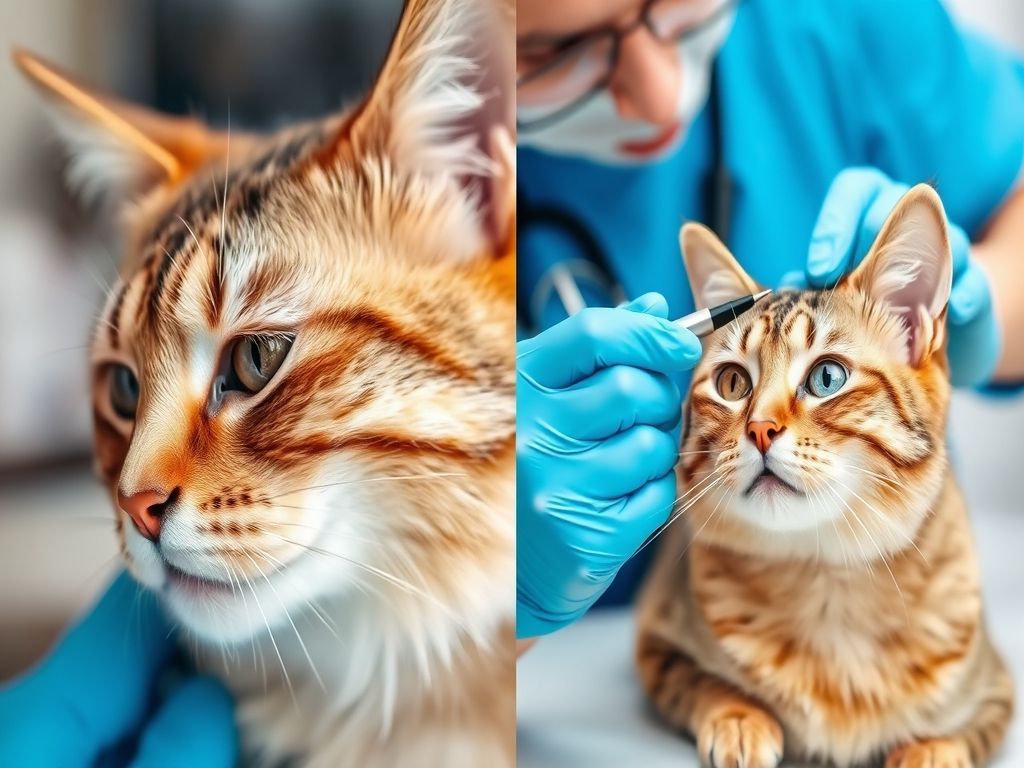
During an annual wellness exam, your vet will perform a thorough physical assessment, which always includes a close inspection of your cat's eyes. They will look for any abnormalities in the eyelids, conjunctiva (the pink tissue surrounding the eye), cornea (the clear outer layer), and pupils. They might use specialized equipment, such as an ophthalmoscope, to examine the internal structures of the eye, checking for signs of glaucoma, cataracts, or retinal issues that are invisible to the naked eye. For senior cats, typically those aged 7 years or older, many veterinarians recommend twice-yearly check-ups, as older cats are more susceptible to age-related eye conditions and systemic diseases that can manifest in the eyes.
Early Detection and Intervention:
Catching an eye problem in its nascent stages can make a significant difference in treatment outcomes and often prevent more serious complications. For example, a minor scratch on the cornea, if left untreated, can quickly become infected and lead to a painful ulcer, potentially causing permanent vision impairment or even loss of the eye. A vet can spot a corneal abrasion with a simple fluorescein stain test, which highlights any damage to the corneal surface. They can then prescribe appropriate antibiotic drops or ointments to prevent infection and promote healing.
- Comprehensive Eye Exam: Beyond a visual check, vets can assess tear production, intraocular pressure (important for glaucoma screening), and use magnification for detailed examination of ocular structures.
- Systemic Disease Indicators: Many systemic diseases, such as feline herpesvirus, high blood pressure, and diabetes, can have ocular manifestations. Your vet might detect early signs of these underlying conditions during an eye exam, leading to earlier diagnosis and treatment of the primary illness.
- Personalized Advice: Your vet can offer tailored advice based on your cat's breed, age, and individual health history, recommending specific preventative measures or dietary supplements if needed. Warning: A common mistake is to assume a minor eye irritation will clear up on its own. Delaying a vet visit for even seemingly minor eye symptoms for more than 24-48 hours can allow an easily treatable condition to escalate into a painful and difficult-to-manage problem. Always err on the side of caution when it comes to your cat's eyes.
How Can Diligent Home Observation and Hygiene Prevent Eye Problems?
While vet visits are crucial, your daily observations at home are equally vital for proactive cat eye disease prevention. You are uniquely positioned to notice subtle changes in your cat's eyes that indicate an emerging problem. Integrating a quick eye check into your daily routine, perhaps during a morning cuddle or evening grooming session, can make a significant difference.
Daily Home Observation Tips:
Take just 1-2 minutes daily to look closely at your cat's eyes. Pay attention to:
- Clarity and Brightness: Healthy cat eyes should be clear, bright, and alert. Look for any cloudiness, haziness, or dullness.
- Discharge: A small amount of clear discharge is often normal, especially after waking. However, any excessive tearing, or discharge that is thick, colored (yellow, green, dark brown), or accompanied by crusting, warrants concern.
- Redness or Inflammation: The whites of the eyes (sclera) and the pink tissue around the eye (conjunctiva) should not be noticeably red or swollen.
- Squinting or Excessive Blinking: This is a strong indicator of pain or irritation.
- Pupil Size and Symmetry: Both pupils should be the same size and react similarly to light. Any asymmetry or pupils that are constantly dilated or constricted can indicate a problem.
- Third Eyelid: The nictitating membrane, or third eyelid, is usually only visible briefly. If it's constantly protruding or covering part of the eye, it can be a sign of illness or irritation. Safe Eye Cleaning Techniques: Regular, gentle cleaning can help prevent the build-up of debris and discharge that can irritate the eyes or harbor bacteria. For cats prone to tear staining or mild discharge, cleaning 2-3 times a week is often beneficial. Here's how to do it safely:
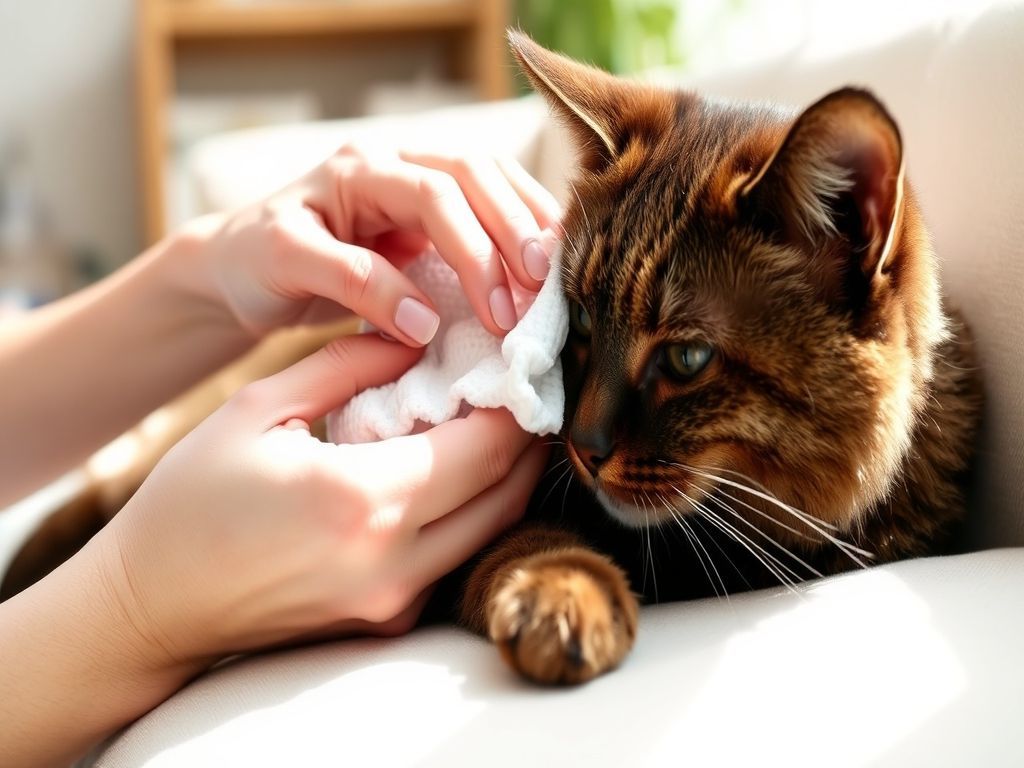
Gather Supplies: You'll need soft, lint-free cotton pads or balls, or a clean, soft cloth. Use warm, filtered water or a veterinarian-approved ophthalmic cleaning solution. Avoid cotton swabs, as fibers can get into the eye.
Position Your Cat: Choose a calm moment when your cat is relaxed. Gently hold their head steady, speaking in a soothing voice. You might need assistance from another person if your cat is squirmy.
Gently Wipe: Dampen your chosen material. Starting from the inner corner of the eye, gently wipe outwards towards the nose. Use a fresh pad or section of cloth for each eye to prevent transferring any potential infection.
Avoid Direct Contact: Never touch the eyeball directly. Focus on cleaning the fur around the eye and removing any visible discharge.
Be Patient: If your cat resists, stop and try again later. Never force the issue, as this can create a negative association with eye care. Warning: Never use harsh chemicals, human wipes (which often contain alcohol or perfumes), or unapproved solutions to clean your cat's eyes. These can cause severe irritation or even chemical burns. If you're unsure, ask your vet for a recommended product.
What Environmental Factors Impact Your Cat's Eye Health?
Your cat's immediate environment plays a significant role in their overall health, including the health of their eyes. Just like humans, cats can be sensitive to airborne irritants and allergens, which can lead to various ocular issues from mild irritation to chronic inflammation.
Air Quality and Irritants
Poor air quality or the presence of specific irritants in your home can directly affect your cat's eyes. Consider the following:
- Dust and Dander: A dusty home environment can cause eye irritation. Regular cleaning, vacuuming with a HEPA filter, and dusting can significantly reduce airborne particles.
- Smoke: Cigarette smoke, fireplace smoke, or even heavy cooking fumes are potent eye irritants for cats. Exposure can lead to chronic conjunctivitis and other respiratory issues. Ensuring good ventilation and eliminating smoke exposure is crucial.
- Chemical Cleaners and Air Fresheners: Strong-smelling household cleaners, aerosol sprays, and plug-in air fresheners release chemicals into the air that can be highly irritating to a cat's sensitive eyes and respiratory system. Opt for natural, unscented cleaning products and avoid using air fresheners, especially near litter boxes or sleeping areas. For example, using an unscented, pet-safe cleaner for floors and surfaces can reduce chemical exposure.
- Pollen and Allergens: During certain seasons, pollen counts can be high, affecting both indoor and outdoor cats. Other common indoor allergens include dust mites and certain molds. Keeping windows closed on high-pollen days, using air purifiers, and regular cleaning can help minimize exposure.
Litter Box Hygiene
The litter box, while essential, can also be a source of eye irritants. Many conventional cat litters produce fine dust that can become airborne when a cat digs or when the box is scooped. This dust can settle in your cat's eyes, causing irritation and inflammation. To mitigate this:
- Choose Low-Dust Litter: Look for litters specifically labeled as 'low-dust' or 'dust-free'. Silica gel crystal litters or certain natural litters (like corn or paper-based) tend to produce less dust than traditional clay litters.
- Scoop Regularly: Scoop the litter box at least once, preferably twice, daily. This prevents ammonia buildup from urine, which is another potent irritant that can affect your cat's eyes and respiratory system.
- Proper Placement: Ensure the litter box is in a well-ventilated area, away from your cat's primary eating or sleeping spots, to minimize the spread of dust and odors. Warning: Many cat owners are unaware of the impact of scented products on their pets. A common mistake is using highly scented litter or air fresheners to mask odors, inadvertently causing eye and respiratory issues for their cats. Always prioritize unscented options for your cat's environment.
Does Nutrition Play a Role in Preventing Cat Eye Diseases?
Indeed, a well-balanced and appropriate diet is fundamental to your cat's overall health, and this extends directly to their ocular health. Proper nutrition provides the building blocks and protective agents necessary for maintaining healthy eyes and can even play a role in preventing certain degenerative conditions. While diet alone cannot prevent all eye diseases, it certainly contributes significantly to robust ocular function.
Essential Nutrients for Eye Health
Several key nutrients are particularly important for maintaining healthy feline eyes:
- Vitamin A: Crucial for good vision, especially in low light conditions. Cats cannot convert beta-carotene into Vitamin A efficiently, so their diet must provide preformed Vitamin A (retinol), typically found in animal-based ingredients like liver and fish oil. A deficiency can lead to night blindness and other serious eye problems.
- Taurine: An essential amino acid for cats. Unlike dogs, cats cannot synthesize enough taurine themselves, so it must be supplied through their diet. Taurine deficiency can lead to Feline Central Retinal Degeneration (FCRD), a condition that causes progressive blindness. Quality commercial cat foods are formulated with adequate taurine levels, but homemade diets require careful supplementation.
- Antioxidants (Vitamins C & E, Lutein, Zeaxanthin): These compounds help protect eye cells from damage caused by free radicals. Free radical damage can contribute to age-related eye conditions like cataracts and macular degeneration. While cats synthesize Vitamin C, a diet rich in other antioxidants can support overall eye health. For example, some specialized senior cat foods may include higher levels of antioxidants to support aging eyes.
- Omega-3 Fatty Acids (EPA & DHA): Found in fish oil, these essential fatty acids have anti-inflammatory properties that can benefit various bodily systems, including the eyes. They can help reduce inflammation associated with conditions like uveitis (inflammation of the middle layer of the eye) and support tear film quality, potentially alleviating dry eye symptoms. A study published in the Journal of Feline Medicine and Surgery (2020) highlighted the benefits of dietary fatty acids in managing inflammatory conditions in cats.
Hydration
Adequate hydration is also critical. Dehydration can affect tear production, potentially leading to dry eyes and increased susceptibility to irritation and infection. Ensure your cat always has access to fresh, clean water. Many cats prefer running water from a fountain, which can encourage them to drink more. Feeding wet food can also significantly contribute to their daily water intake.
Choosing the Right Food:
When selecting cat food, prioritize high-quality commercial diets that are 'complete and balanced' according to AAFCO (Association of American Feed Control Officials) guidelines. These diets are formulated to meet all of a cat's nutritional needs, including those for eye health. If you are considering a homemade diet, it is imperative to work with a board-certified veterinary nutritionist to ensure it is nutritionally complete and safe for your cat.
Warning: A common mistake is to supplement a cat's diet with human vitamins or unapproved supplements without veterinary guidance. Excessive amounts of certain vitamins, like Vitamin A, can be toxic to cats. Always consult your veterinarian before adding any supplements to your cat's diet to ensure they are appropriate and correctly dosed.
Recognizing Early Signs: When Should You Seek Professional Help?
Despite your best preventative efforts, eye problems can still occur. Knowing when a symptom warrants immediate veterinary attention versus a watchful waiting approach is crucial. Prompt action can often prevent a minor issue from becoming a severe one.
Here are some common signs of eye problems in cats and guidance on when to seek help:
Signs That Warrant Immediate Veterinary Attention (within 24 hours)
- Sudden Onset of Blindness: Your cat bumping into objects, disoriented, or unwilling to move in familiar surroundings.
- Severe Pain: Intense squinting, rubbing at the eye, or reluctance to open the eye completely.
- Protrusion of the Eyeball: The eye appears to be bulging out of the socket.
- Obvious Injury: Any visible cut, puncture, or trauma to the eye or surrounding area.
- Foreign Object: A visible foreign body (like a thorn or piece of debris) lodged in the eye that you cannot easily and safely remove.
- Sudden Cloudiness or Blue Haze: A rapid change in the clarity of the cornea.
- Persistent Redness and Swelling: Especially if accompanied by thick, colored discharge (yellow, green).
Signs That Warrant Veterinary Attention (within 24-48 hours)
- Persistent Clear Tearing: More than just occasional, especially if it lasts for more than a day.
- Mild to Moderate Redness: In the conjunctiva, not severe.
- Discharge Changes: Watery discharge becoming thicker, slightly cloudy, or developing a mild yellow tint.
- Squinting or Blinking: Intermittent or mild, but noticeable.
- Visible Third Eyelid: The nictitating membrane is visible over a significant portion of the eye for an extended period.
- Changes in Pupil Size/Shape: If pupils are uneven or unusually large/small, but the cat does not appear to be in severe pain. Concrete Example: If you notice your cat has a small amount of clear tear staining consistently for a few days, it's worth a vet visit to rule out allergies or a tear duct issue. However, if that tearing suddenly becomes thick, pus-like, and your cat is squinting intensely, that's an emergency requiring immediate attention within hours. The nature and severity of the discharge are key indicators. Warning: Never attempt to self-diagnose or treat your cat's eye condition with home remedies or over-the-counter human medications. Many human eye drops contain vasoconstrictors or other ingredients that can be harmful or even toxic to cats. Only use medications prescribed by a veterinarian for your specific cat.
Conclusion
Maintaining your cat's eye health is an ongoing commitment that significantly contributes to their overall happiness and well-being. By integrating proactive strategies into your routine, you become an essential partner in preventing and managing potential eye diseases. Remember these three key takeaways:
Prioritize Proactive Veterinary Care: Regular check-ups are your best defense against hidden or emerging eye conditions.
Be a Diligent Observer: Your daily vigilance in monitoring your cat's eyes for subtle changes is invaluable.
Optimize Their Environment and Diet: A clean, irritant-free home and a nutritionally balanced diet lay a strong foundation for ocular health. Don't wait for a problem to become severe. Your action today can make a world of difference. Take a moment right now to schedule your cat's next annual or bi-annual veterinary check-up to ensure their eyes, and their entire being, are as healthy as can be.
More in Pets

Preventing Dog Patellar Luxation: A Multi-Pet Owner's Guide
Learn practical dog patellar luxation prevention strategies from an experienced multi-pet owner. Discover home care tips to protect your canine companions' joint health.

Winter Cat Health: A Comprehensive Guide to Feline Wellness
Ensure optimal winter cat health with our comprehensive guide. Learn about common risks, essential care tips, and how to keep your feline safe and comfortable during colder months.
Pet Health Check-Up Frequency: Essential for New Owners
Pet health check-up frequency is crucial for new owners. Learn common myths, the truth about vet visits, and practical steps to ensure your furry friend's long-term well-being.
Pet Food Selection for New Owners: Avoiding Common Pitfalls
Navigating pet food selection as a new owner can be tough. This guide helps you understand labels, ingredients, and common pitfalls, based on real experience. Consult your vet for advice.