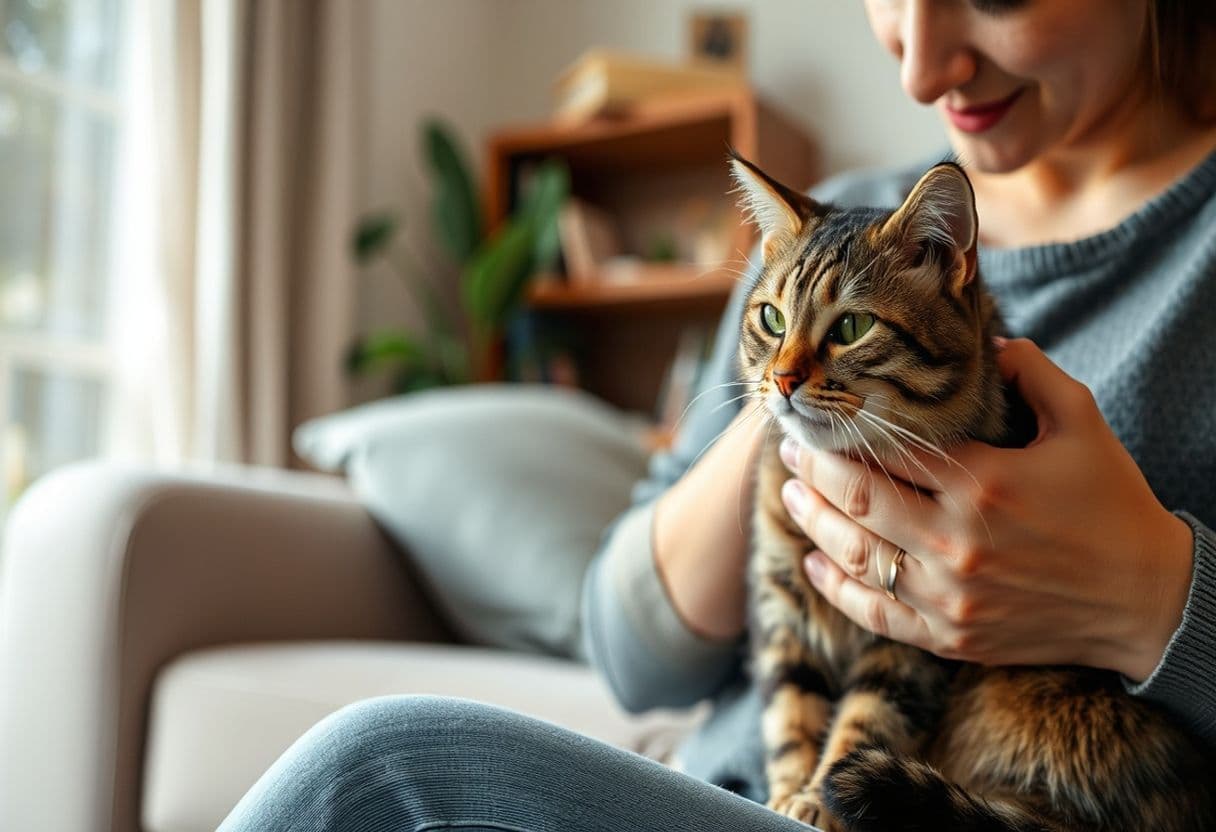
Cat Heat Management: Keeping Felines Cool and Hydrated This Summer
Key Takeaways
Keep your cat safe and cool this summer with expert cat heat management tips. Learn hydration strategies, environmental cooling, and critical heat stress signs for feline well-being.
Cat Heat Management: Keeping Felines Cool and Hydrated This Summer
The first time I witnessed my usually energetic cat, Luna, lethargic and seeking refuge on the cold bathroom tiles during a sweltering summer, it was a stark wake-up call. It's been nearly 7 years since that moment, and my approach to feline summer care has transformed from casual observation to a proactive, multi-faceted strategy. This extensive guide will equip you with practical strategies to manage your cat's well-being during warmer months, specifically focusing on effective hydration techniques, creating optimal cool environments, and recognizing critical signs of heat stress.
Understanding the Feline Heat Challenge: Why Cats Struggle in Summer
Cats possess a unique physiology that makes them particularly vulnerable to heat stress, often without showing overt signs until their condition is advanced. Unlike humans, cats don't sweat efficiently through their skin; their primary cooling mechanisms involve panting (a sign of significant distress), sweating through their paw pads, and grooming themselves to spread saliva, which then evaporates. This limited capacity means they rely heavily on their environment and access to water to regulate their body temperature. When temperatures rise, their small bodies can quickly overheat, leading to serious health complications like heatstroke, which can be fatal if not addressed promptly. Understanding these inherent limitations is the first step in effective summer care.
To proactively manage your cat's comfort and safety during warmer months, we will compare strategies across three critical areas:
- Hydration Techniques: Ensuring consistent and appealing access to fresh water.
- Environmental Cooling: Creating comfortable, cool zones within your home.
- Monitoring and Intervention: Recognizing early signs of heat stress and knowing when to act.
Each aspect plays a crucial role in a comprehensive summer care plan, and a balanced approach across all three offers the best protection for your feline companion.
Hydration Strategies: Ensuring Your Cat Drinks Enough
Adequate hydration is paramount for cats, especially as temperatures climb. Dehydration can lead to serious kidney issues and exacerbate heat stress. Cats naturally have a low thirst drive, often not drinking enough even when ample water is available. Therefore, proactive strategies are essential to encourage consistent fluid intake.
Still Water Bowls
Still water bowls are the most basic and common method of providing water. However, their effectiveness hinges on strategic placement and meticulous maintenance.
- Pros: Inexpensive, easy to implement, no electricity required.
- Cons: Water can quickly become stagnant or warm, less enticing for some cats, easily contaminated by dust or food particles.
Tips for Success:
- Multiple Locations: Place 3-5 bowls in various quiet, accessible spots throughout your home, away from litter boxes and food dishes. Cats often prefer separate stations for eating and drinking.
- Material Matters: Opt for ceramic, glass, or stainless steel bowls, as plastic can harbor bacteria and potentially leach chemicals, altering the water's taste. Many cats also prefer wider, shallower bowls that don't touch their sensitive whiskers.
- Frequent Refreshment: Change the water at least 2-3 times daily, and thoroughly clean the bowls with soap and water every 1-2 days to prevent bacterial buildup and keep the water appealingly fresh.
Automatic Water Fountains
Water fountains simulate running water, which can be highly attractive to cats, tapping into their instinct to drink from moving sources rather than still puddles.
- Pros: Encourages increased water intake due to movement and aeration, often includes filters to remove impurities, keeps water cooler for longer.
- Cons: Higher initial cost, requires electricity, needs regular cleaning and filter replacement, some models can be noisy.
Tips for Success:
- Regular Cleaning: Disassemble and clean the entire fountain system weekly to prevent slime and mold growth. Neglecting this will make the fountain counterproductive.
- Filter Replacement: Follow the manufacturer's guidelines, typically replacing the filter monthly, or more frequently if you have multiple pets or dusty environments.
- Placement: Position the fountain in a low-traffic area where your cat feels safe to drink without interruption.
Wet Food Integration
Incorporating wet food into your cat's diet is one of the most effective ways to boost their overall fluid intake, as it contains a significantly higher moisture content than dry kibble.
- Pros: Delivers substantial hydration directly through food (wet food is typically 70-80% water), often more palatable for cats, provides essential nutrients.
- Cons: Higher cost per serving compared to dry food, spoils quickly if left out in warm temperatures, can contribute to dental issues if not balanced with other dental care.
Tips for Success:
- Daily Inclusion: Offer at least one wet food meal daily, or split a can into two smaller portions throughout the day.
- Small, Frequent Meals: Serve smaller amounts more frequently during very hot periods to prevent spoilage. For example, give 50g portions 3-4 times a day instead of one large 200g meal.
- Consider Broth: Supplement with low-sodium chicken or beef broth (ensure no onion or garlic) as an occasional treat or mixed with wet food to further increase liquid intake.

Creating a Cool Environment: Sanctuary from the Sun
Beyond hydration, controlling your cat's immediate surroundings is crucial for preventing overheating. Providing various cool spots allows your cat to self-regulate and escape the oppressive summer heat.
Passive Cooling Zones
These are simple, energy-free solutions that leverage your home's existing features to create cooler microclimates.
- Pros: No operational cost, always available, safe.
- Cons: Limited effectiveness in extreme heat, relies on structural elements.
Tips for Success:
- Darkened Rooms: Close curtains or blinds in rooms facing the sun during the hottest parts of the day (typically 11 AM to 4 PM) to block direct sunlight and reduce ambient temperature. A room with north-facing windows or those consistently shaded by trees can be a natural refuge.
- Tiled or Hardwood Floors: Cats instinctively seek out cool, hard surfaces. Ensure access to bathrooms, kitchens, or laundry rooms where tiled floors provide a significant temperature drop compared to carpeted areas. For example, Luna often stretches out on the cool ceramic tiles in our guest bathroom when it's particularly hot.
- Elevated Beds: Placing a cat bed a few inches off the floor can improve air circulation beneath them, preventing heat from getting trapped. Look for beds with mesh or breathable fabrics.
Active Cooling Aids
For more intense heat, active cooling methods can provide significant relief, though they may involve energy consumption or require careful supervision.
- Pros: Highly effective in reducing ambient temperature, provides immediate relief.
- Cons: Energy costs, potential hazards if not used correctly, some cats may dislike the noise or sensation.
Tips for Success:
- Air Conditioning: Set your AC to a comfortable temperature, ideally between 24-26°C (75-79°F). Avoid excessively cold settings, as rapid temperature changes can be stressful. If you're out, consider using a smart thermostat to maintain a consistent cool temperature or schedule it to turn on during peak heat hours.
- Fans (Indirect Use): Position oscillating fans in a room to circulate air, but never point them directly at your cat. Fans cool by increasing evaporation from surfaces; they don't lower the ambient temperature. Ensure cords are tucked away safely to prevent chewing.
- Cooling Mats: These mats typically contain a non-toxic gel that activates with pressure, providing a cool surface. Ensure you choose a reputable brand with a non-toxic gel, as some cats may try to chew them. Place one in a favorite resting spot. Specifically, look for mats labeled 'pet-safe' or 'non-toxic gel' and monitor your cat's interaction with it initially.
- Frozen Water Bottles/Ice Packs: Wrap a frozen plastic water bottle or an ice pack in a towel and place it near your cat's favorite resting spot. This offers a localized cool area without direct contact, preventing ice burn. Replace as it melts, offering a consistently cool surface.
Grooming and Coat Management
Regular grooming is an often-overlooked but vital aspect of heat management, especially for long-haired breeds.
- Pros: Supports natural cooling mechanisms, reduces hairballs, improves coat health.
- Cons: Some cats resist grooming, requires consistent effort.
Tips for Success:
- Consistent Brushing: Brush your cat 2-3 times weekly, or even daily for long-haired cats, to remove loose fur and undercoat. This allows air to circulate more freely against their skin, improving their natural insulation and cooling capacity. A deshedding tool can be particularly effective during shedding season.
- Professional Grooming: For very long-haired cats, consider a professional 'lion cut' or a hygiene trim, which can significantly reduce the amount of fur trapping heat without compromising their protective outer coat.
How to Monitor for Danger: Recognizing Heat Stress Signs
Recognizing the signs of heat stress early is critical for timely intervention and can be life-saving. Cats are masters at hiding discomfort, so vigilance is key.
Early Signs of Heat Stress
These indicators suggest your cat is becoming uncomfortably warm and needs immediate intervention to cool down.
- Lethargy and Reduced Activity: Your cat is less playful, moves slowly, or spends an unusual amount of time resting.
- Increased Grooming: Excessive licking, especially of paws and belly, as they try to spread saliva for evaporative cooling.
- Heavy Panting: While dogs pant to cool down, panting in cats is a significant red flag, indicating they are struggling to regulate their body temperature.
- Rapid Breathing: Shallow, quick breaths that are noticeable even when at rest.
- Restlessness: Inability to find a comfortable cool spot, constantly shifting positions.
- Seeking Cool Surfaces: Actively lying on tiles, in sinks, or shaded areas more than usual.
Severe Signs of Heatstroke
If you observe any of these symptoms, your cat is likely experiencing heatstroke, a life-threatening emergency requiring immediate veterinary attention.
- Vomiting or Diarrhea: Often accompanied by blood.
- Staggering or Loss of Coordination: Difficulty walking, stumbling, or collapsing.
- Bright Red Gums and Tongue: A sign of increased blood flow and overheating.
- Elevated Body Temperature: A rectal temperature above 40.5°C (105°F) is a critical emergency. Normal cat body temperature ranges from 38-39.2°C (100.4-102.5°F).
- Excessive Drooling: Thick, ropey saliva.
- Seizures or Unconsciousness: The most severe and immediate warning signs.
When to Seek Veterinary Attention:
If you notice any severe signs of heatstroke, contact your veterinarian immediately. While en route, you can try to gently cool your cat with a damp (not soaking wet) towel, focusing on their paw pads and inner thighs. Do NOT use ice-cold water, as this can cause shock. For persistent mild signs, such as prolonged lethargy or unusual panting, a vet consultation is also advisable to rule out underlying issues or get tailored advice.

Tailoring Your Approach: Recommendations Based on Your Cat and Lifestyle
Every cat and every household is unique. The best heat management plan is one that's customized to your specific circumstances, considering your budget, your daily schedule, and your cat's individual needs.
For the Budget-Conscious Owner
You don't need expensive gadgets to keep your cat cool. Focus on maximizing free or low-cost resources.
- DIY Cooling Solutions: Utilize frozen water bottles wrapped in towels, damp towels placed in strategic spots (ensuring they don't stay wet against your cat's skin for too long), and ice cubes in water bowls.
- Strategic Home Setup: Keep curtains closed during peak sun hours. Ensure constant access to tiled floors or the coolest room in the house. Open windows at night if temperatures drop to allow cooler air circulation, but ensure screens are secure.
- Multiple Water Stations: Use various inexpensive bowls in different materials (ceramic, glass) placed strategically around the house, ensuring constant refills.
- Increased Grooming: Commit to daily brushing sessions to remove excess fur, which is free and highly effective.
For Busy Professionals
When you're away from home for extended periods, automation and preparedness become key to ensuring your cat's safety.
- Automated Water Fountains: Invest in a reliable pet water fountain with a large reservoir to ensure a constant supply of fresh, filtered water. Many models can hold enough water for 2-3 days.
- Smart Thermostats: Program your air conditioning to maintain a comfortable temperature during the hottest hours or when you're away. Some smart thermostats allow remote control via an app, offering peace of mind.
- Timer-Controlled Fans: Use a timer on an oscillating fan (pointing away from your cat) to circulate air during peak afternoon heat.
- Wet Food Schedule: If possible, arrange for a pet sitter to provide a midday wet food meal, or use an automatic feeder designed for wet food (some have cooling packs) for a morning or evening portion.
- Vet Check-ups: Ensure your cat has a pre-summer vet check, especially if they are older or have known health conditions, to discuss specific summer care recommendations.
For Elderly or Health-Compromised Cats
These cats are particularly vulnerable to heat stress due to reduced mobility, slower metabolism, or existing conditions. Their care requires heightened vigilance and a more intensive approach.
- Constant Monitoring: Check on them frequently. If you're away, consider a pet camera that allows you to observe their behavior and activity levels remotely.
- Maximized Cooling: Provide multiple dedicated cool zones, including cooling mats, elevated beds with good airflow, and consistent air conditioning.
- Easy Water Access: Place water bowls and fountains directly within their easy reach, minimizing the need for them to move far. Consider elevating bowls slightly if bending is difficult for them.
- Professional Grooming: Regular, gentle grooming is essential, but consider professional help if they resist or have difficulty tolerating it.
- Veterinary Consultation: Always discuss summer care plans with your vet for cats with pre-existing conditions (e.g., heart disease, kidney disease, respiratory issues), as they may require specific environmental adjustments or medications.
Common Mistakes and Crucial Warnings
Despite best intentions, certain practices can inadvertently put your cat at risk during the summer. Be aware of these critical warnings.
- Never Leave a Cat in a Parked Car: Even on a mild day, the temperature inside a car can rise by 10-15°C (20-30°F) in just 10 minutes. Cracking a window offers minimal relief. This is a fatal mistake.
- Avoid Ice Baths or Extremely Cold Water: While rapid cooling is necessary for heatstroke, submerging a cat in ice water can induce shock and constrict blood vessels, hindering the body's ability to cool down effectively. Use lukewarm or cool water and damp towels instead.
- Don't Over-rely on a Single Cooling Method: A multi-faceted approach is always best. Relying solely on a fan, for instance, won't be sufficient in extreme heat.
- Beware of Toxic Cooling Gels: If using a cooling mat, ensure it contains a non-toxic gel, as some cats might try to chew or puncture it. Supervise initial interactions.
- Assuming Cats 'Know Best': While cats seek cool spots, they can still succumb to heatstroke if their environment doesn't offer adequate relief or if they are unable to access water. They often hide their distress until it's severe.
Conclusion
Protecting your feline companion from the summer heat requires a proactive and informed approach. Remember these three key takeaways: prioritize constant hydration through multiple water sources and wet food, create a variety of cool and accessible environments within your home, and remain vigilant in monitoring for early signs of heat stress. By integrating these strategies, you can significantly reduce your cat's risk of overheating and ensure their comfort throughout the warmer months. As a specific action to take today, evaluate your current water setup and add at least one more water bowl or consider upgrading to a fountain, ensuring fresh water is always within easy reach for your beloved cat.
Previous
Cat Adoption Guide: Essential Knowledge for First-Time Owners
Next
Cat Heat Management: Keeping Felines Cool and Hydrated This Summer