Pet Health Check-Up Frequency: Essential for New Owners
Key Takeaways
Pet health check-up frequency is crucial for new owners. Learn common myths, the truth about vet visits, and practical steps to ensure your furry friend's long-term well-being.
Pet Health Check-Up Frequency: Essential for New Owners
A recent survey revealed that over 40% of new pet owners underestimate the recommended frequency of routine veterinary check-ups for their adult pets, often believing less frequent visits are sufficient. This statistic highlights a significant gap in understanding that can unfortunately lead to preventable health issues for our beloved animal companions.
By the end of this article, you will gain a clear understanding of the optimal frequency for pet health check-ups, learn to identify common misconceptions about veterinary care, and discover practical strategies to ensure your furry companion stays healthy and thriving for years to come.
Unmasking Common Misconceptions About Pet Vet Visits
When it comes to pet health, well-intentioned owners often harbor beliefs that, while seemingly logical, can inadvertently jeopardize their pet's well-being. These misconceptions are widespread, particularly among those new to pet ownership. Let's delve into some of the most prevalent ones and normalize the fact that many of us have held these views at some point.
Myth 1: 'My Pet Seems Fine, So They Don't Need a Vet'
Perhaps the most common misconception is the belief that a lack of obvious symptoms equates to perfect health. Many new owners operate under the assumption that if their dog is still running around, or their cat is still purring, then there's no immediate need for a veterinary visit. This often leads to skipping routine check-ups until a noticeable problem arises.
The logic here is understandable: why fix what isn't broken? However, this overlooks a crucial aspect of animal physiology and behavior. Pets are instinctively programmed to hide signs of weakness or illness. In the wild, showing vulnerability can make them targets for predators. This ingrained behavior persists in domesticated animals, meaning they often mask discomfort or pain until a condition is quite advanced.
Myth 2: 'Annual Check-Ups are Only for Puppies/Kittens and Senior Pets'
Another prevalent idea is that frequent veterinary visits are primarily reserved for the very young, who need vaccinations and early development checks, or the very old, who are more susceptible to age-related diseases. This perspective suggests that adult pets, typically between one and seven years of age, can manage with less frequent, or even intermittent, veterinary attention.
While puppies and kittens do require a series of initial vaccinations and deworming, and senior pets often need more intensive monitoring, the notion that adult pets are somehow 'maintenance-free' during their prime years is a significant oversight. This belief can lead to gaps in care during a critical period when many chronic conditions begin to silently develop.
Myth 3: 'Vet Visits are Too Expensive, So I'll Wait for a Problem'
The financial aspect of pet care is a genuine concern for many new owners, and it's easy to feel overwhelmed by potential costs. This often leads to a strategy of deferring veterinary visits until an emergency or a severe health issue forces intervention. The underlying thought is that by avoiding routine check-ups, one is saving money.
This approach, while seemingly pragmatic in the short term, often proves to be a false economy. The reality is that waiting until a pet is visibly ill can result in far more complex, invasive, and ultimately expensive treatments. Preventative care is often seen as an optional expense, rather than a crucial investment in long-term health and financial savings.
Debunking the Myths: The Truth About Pet Health Check-Ups
Understanding why these common misconceptions are problematic is the first step toward becoming a proactive and responsible pet owner. Let's correct these beliefs with evidence-based reasoning, demonstrating the immense value of regular veterinary oversight.
Why is Early Detection Crucial for Pet Health?
The truth behind Myth 1 is that pets are masters at concealing illness and pain. Their evolutionary instincts mean they often don't vocalize discomfort until a condition is severe. This means that by the time you notice symptoms like limping, lethargy, or a change in appetite, the underlying problem may have been present and worsening for weeks or even months.
For example, many forms of kidney disease in cats and dogs can progress significantly before outward symptoms like increased thirst or weight loss become apparent. Regular blood and urine tests, typically performed during an annual check-up, can detect subtle changes in kidney function months or even years before clinical signs manifest. Similarly, dental disease, affecting approximately 80% of dogs and 70% of cats by age three, often begins as gingivitis, which is easily treatable, but can escalate to painful infections and tooth loss if left unchecked, potentially impacting other organ systems like the heart. Early detection through routine veterinary examinations allows for timely intervention, often preventing minor issues from becoming major, life-threatening, and costly problems.
How Often Do Adult Pets Really Need Veterinary Care?
Addressing Myth 2, the reality is that all pets, regardless of age, benefit significantly from routine veterinary check-ups. While puppies and kittens require more frequent visits (typically 3-4 times in their first six months for vaccinations and developmental monitoring), and senior pets (generally aged seven years and older, depending on breed and species) often need biannual checks due to increased risk of age-related conditions, adult pets also require consistent care.
For most healthy adult dogs and cats, an annual veterinary check-up is the minimum recommendation. During this yearly visit, your vet will perform a thorough physical examination, administer necessary booster vaccinations, and discuss parasite prevention. Many veterinarians now also recommend biannual (twice-yearly) check-ups for adult pets, especially as they approach middle age. This more frequent schedule allows for earlier detection of subtle changes, particularly important because a pet's life stage progresses much faster than a human's. For instance, a dog ages roughly 5-7 human years for every calendar year, meaning significant health changes can occur within 12 months. Regular checks ensure that issues like early arthritis, thyroid imbalances, or even certain cancers are caught when they are most treatable.
How Does Preventative Care Save Money in the Long Run?
Dispelling Myth 3, preventative veterinary care is a cost-effective strategy that can save pet owners substantial amounts of money in the long term. An annual check-up, which might cost between $100-$250 depending on the clinic and location, includes a physical exam, potentially core vaccinations, and a discussion about your pet's overall health. Compare this to the cost of treating an advanced illness that could have been prevented or caught early.
For example, treating a severe case of untreated dental disease might involve multiple tooth extractions, antibiotics, and pain medication, easily accumulating to $800-$2,000. Detecting dental issues early during a routine exam, however, might only require a professional cleaning costing $300-$700, potentially preventing future, more severe problems. Similarly, conditions like heartworm disease, which can be prevented with monthly medication costing around $100-$200 per year, can cost upwards of $1,000-$3,000 to treat once established, with no guarantee of full recovery. Investing in regular check-ups and preventative medications can, in many cases, reduce your overall veterinary expenses by up to 70% over your pet's lifetime by avoiding costly emergency treatments and managing chronic conditions proactively.
Practical Guidance: Implementing Optimal Pet Health Routines
Now that we've clarified the 'why,' let's focus on the 'how.' Establishing a consistent and effective routine for your pet's health check-ups is one of the best ways to ensure a long, healthy, and happy life together.
What is the Recommended Pet Health Check-Up Schedule?
The ideal frequency for vet visits varies based on several factors, primarily your pet's age, species, breed, and overall health status. Here's a general guideline:
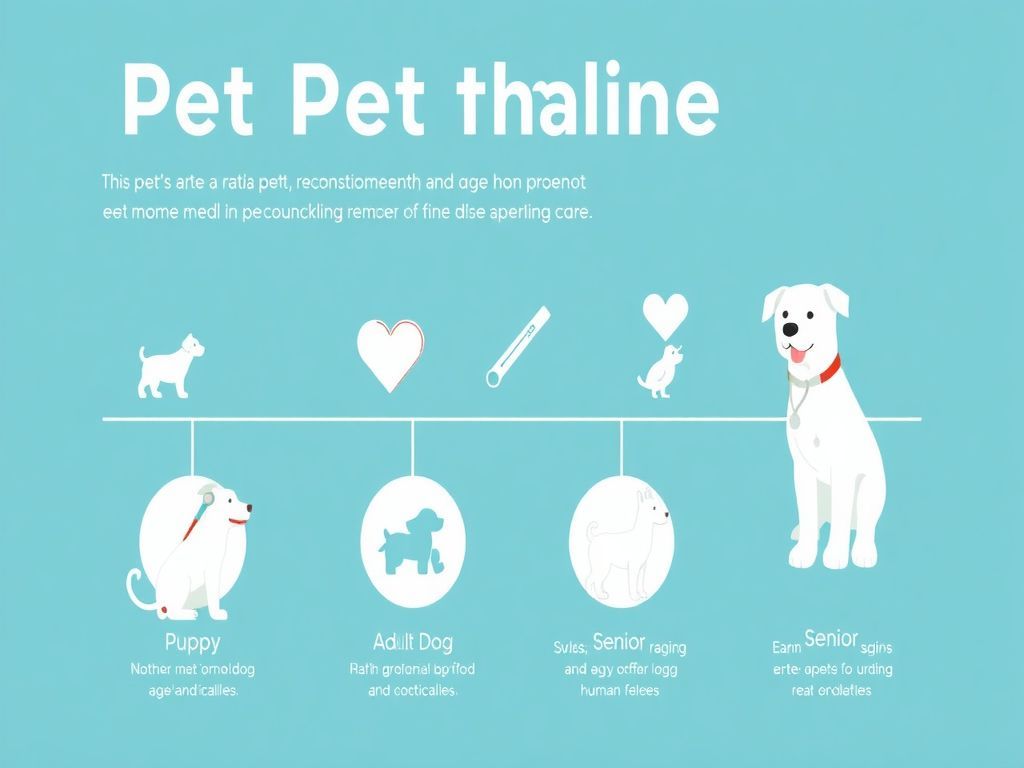
Puppies and Kittens (0-6 months):
- Frequency: Every 3-4 weeks until approximately 16 weeks of age.
- Focus: Initial vaccinations (distemper, parvovirus, rabies, etc.), deworming, parasite prevention, microchipping, and discussions about nutrition, training, and spaying/neutering.
Adult Pets (1-6/7 years, depending on species/breed):
- Frequency: At least once a year.
- Focus: Annual physical exam, booster vaccinations, heartworm and flea/tick prevention, weight management, dental health assessment, and annual fecal and sometimes blood tests (e.g., for heartworm, kidney function). For example, a 3-year-old Labrador Retriever, even if seemingly healthy, requires an annual physical exam, often including blood work to establish a baseline for future comparisons.
Senior Pets (7+ years, or earlier for large/giant breeds):
- Frequency: Twice a year (biannually).
- Focus: More frequent physical exams, blood work (complete blood count, chemistry panel, thyroid), urinalysis, blood pressure monitoring, and discussions about age-related issues like arthritis, cognitive dysfunction, and organ function. A 9-year-old Persian cat, for instance, should have biannual check-ups to monitor for common senior feline issues such as hyperthyroidism or kidney disease.
Pets with Chronic Conditions:
- Frequency: Varies, often every 3-6 months, or as recommended by your vet.
- Focus: Specific monitoring and management of conditions like diabetes, allergies, heart disease, or epilepsy. This may involve more frequent blood tests, imaging, or medication adjustments.
What Happens During a Routine Pet Check-Up?
A standard wellness exam is comprehensive and typically includes:
- Head-to-Tail Physical Examination: Your vet will check your pet's eyes, ears, nose, mouth, teeth, gums, skin, coat, lymph nodes, joints, and musculature. They'll listen to the heart and lungs, and palpate the abdomen to check internal organs.
- Weight and Body Condition Score: Monitoring weight changes is crucial for detecting obesity or unexplained weight loss.
- Vaccination Review: Ensuring your pet is up-to-date on core and lifestyle-dependent vaccinations.
- Parasite Control Discussion: Recommendations for preventing fleas, ticks, heartworm, and intestinal parasites.
- Diagnostic Testing: Depending on age and history, this might include annual fecal exams, heartworm tests, and blood/urine panels to assess organ function and screen for diseases.
- Nutritional Assessment: Advice on appropriate diet, portion control, and any necessary dietary supplements.
- Behavioral Assessment: Discussing any behavioral changes or concerns.
How to Prepare for Your Pet's Vet Visit
Preparing adequately can make the visit smoother and more productive. Here are some actionable steps:
- Gather Information: Note down any changes in behavior, appetite, thirst, urination, or bowel movements. Be ready to share your pet's full medical history, including any medications or supplements they are currently taking.
- Prepare Questions: Make a list of any concerns or questions you have for the veterinarian.
- Bring Samples: If requested, collect a fresh stool sample (within 24 hours) for parasite screening. Sometimes a urine sample might also be requested.
- Comfort and Containment: For cats, use a secure, comfortable carrier. For dogs, a leash and collar are essential. Consider bringing your pet's favorite blanket or toy to help them feel more at ease.
- Limit Food/Water (If Advised): Your vet might ask you to withhold food for 8-12 hours before the appointment if blood tests are planned, to ensure accurate results.
Warnings and Common Mistakes to Avoid
- Warning: Never wait for severe symptoms. By the time your pet is visibly suffering, their condition may be advanced and treatment options limited or more drastic. A slight limp, a subtle change in eating habits, or a persistent cough warrants a call to the vet, not a 'wait and see' approach.
- Mistake: Skipping vaccinations or parasite prevention. These are fundamental aspects of preventative care. Missing boosters can leave your pet vulnerable to serious, preventable diseases, potentially costing far more than the vaccine itself if treatment becomes necessary.
- Warning: Don't self-diagnose or self-medicate. Relying on internet searches or anecdotal advice from friends can be dangerous. Your veterinarian is the only qualified professional to diagnose and prescribe treatment for your pet.
- Mistake: Not communicating openly with your vet. Be honest and thorough about your pet's history, lifestyle, and any concerns. Your vet relies on your observations to form a complete picture of your pet's health.
Conclusion: Prioritizing Your Pet's Health Journey
Understanding and committing to regular pet health check-ups is one of the most profound responsibilities and gifts you can give your companion. We've debunked the myths that a healthy-looking pet doesn't need a vet, that adult pets can skip annual checks, and that preventative care is an unnecessary expense.
Instead, we've learned three critical truths:
- Pets are masters of concealment: Many serious conditions progress silently, making early detection through routine exams vital for effective treatment and better outcomes.
- Consistent care for all ages: Annual (and often biannual for seniors) check-ups are essential for all pets, not just the very young or very old, to catch subtle changes in their rapidly progressing life stages.
- Preventative care saves money: Investing in regular vet visits and preventative measures is a financially prudent strategy, significantly reducing the likelihood of costly emergency treatments for advanced diseases.
Your specific action to take today: Review your pet's vaccination records and current health status, and if it's been longer than 12 months since their last check-up, schedule a wellness examination with your veterinarian. This proactive step ensures your furry friend receives the ongoing care they need to thrive, bringing you many more years of joyful companionship.
Previous
Pet Food Selection for New Owners: Avoiding Common Pitfalls
Next
Winter Cat Health: A Comprehensive Guide to Feline Wellness
More in Pets
Cat Eye Disease Prevention: Essential Guide to Feline Eye Health
Learn effective cat eye disease prevention and management strategies. This guide covers proactive vet care, home observation, environmental factors, and nutrition for optimal feline eye health.

Preventing Dog Patellar Luxation: A Multi-Pet Owner's Guide
Learn practical dog patellar luxation prevention strategies from an experienced multi-pet owner. Discover home care tips to protect your canine companions' joint health.

Winter Cat Health: A Comprehensive Guide to Feline Wellness
Ensure optimal winter cat health with our comprehensive guide. Learn about common risks, essential care tips, and how to keep your feline safe and comfortable during colder months.

Pet Food Selection for New Owners: Avoiding Common Pitfalls
Navigating pet food selection as a new owner can be tough. This guide helps you understand labels, ingredients, and common pitfalls, based on real experience. Consult your vet for advice.