Tokyo Travel: Crafting Your Perfect Itinerary for Professionals
Key Takeaways
Planning a Tokyo travel adventure as a busy professional? Discover an efficient itinerary, top attractions, and authentic dining spots. Maximize your limited time.
Tokyo Travel: Crafting Your Perfect Itinerary for Professionals
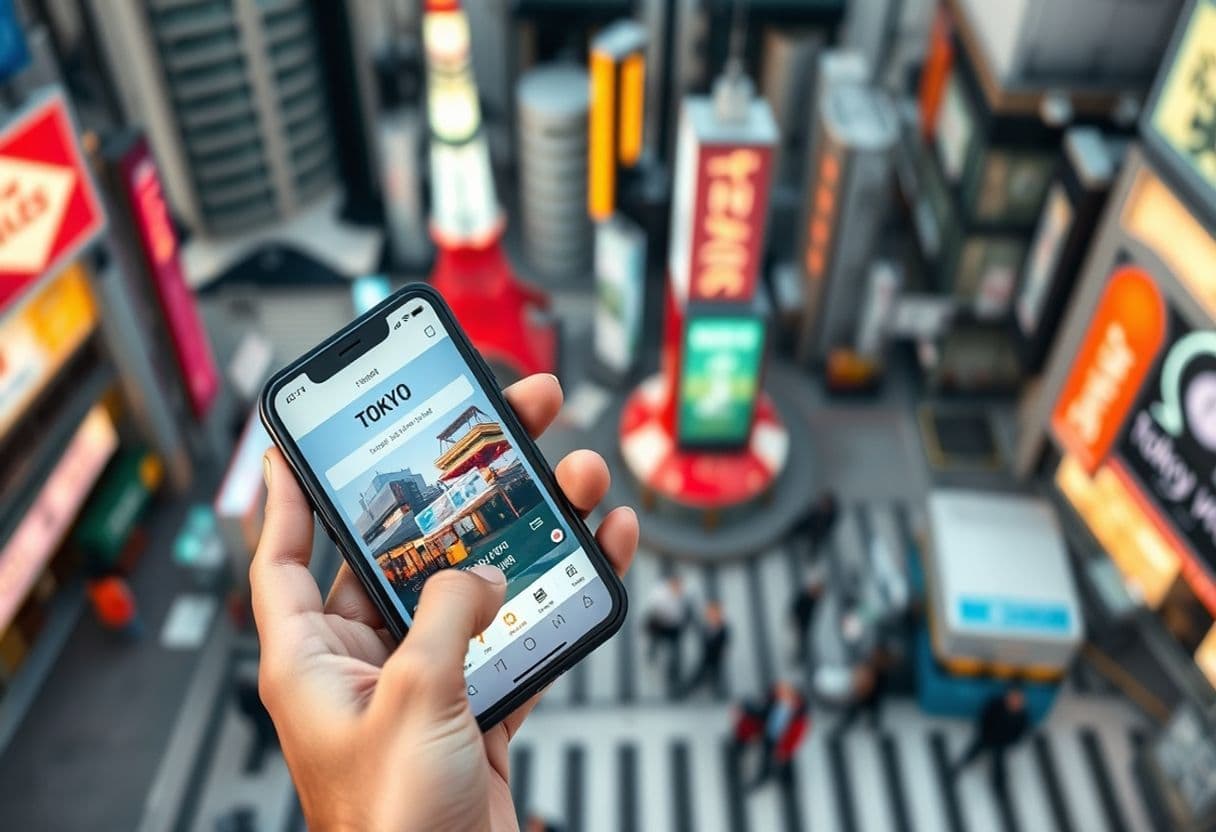
You're sitting at your desk, perhaps scrolling through travel blogs or looking at stunning images of Tokyo on your phone, a familiar tug of wanderlust pulling at you. The thought of navigating Shibuya Crossing, exploring ancient temples, or savoring incredible Japanese cuisine is exhilarating. But then reality sets in: you're a working professional with limited vacation days, a tight schedule, and the sheer volume of information about Tokyo feels utterly overwhelming. How do you distill a city of over 14 million people and countless attractions into a memorable, efficient, and truly enjoyable 4–5 day trip?
Why Does Planning a Tokyo Trip Feel So Hard?
It's a common dilemma, one my partner and I have faced on more than one occasion. We've gone from meticulously planning every minute to embracing spontaneity, and we've learned a few things about what makes Tokyo planning particularly challenging for professionals. It's not just about booking flights and hotels; it's about optimizing every precious moment without burning out.
The Information Overload
Tokyo is a city that never stops. Every blog, every guide, every friend who's visited has a 'must-do' list, and they often conflict. One recommends a serene garden, another a bustling market, a third a niche museum. When you're trying to piece together an itinerary, it's easy to get lost in the endless possibilities, wondering if you're making the 'right' choices. We've spent countless evenings poring over maps and reviews, feeling more stressed than excited about the upcoming trip.
Time Constraints and FOMO
Unlike backpackers who might spend weeks exploring, working professionals often have 4–5 full days, perhaps extending to 7 days if they're lucky, not including travel days. This condensed timeframe amplifies the fear of missing out (FOMO). You want to experience the iconic sights, delve into local culture, and still leave room for unexpected discoveries. It's a delicate balance, and the pressure to 'do it all' can quickly turn a dream vacation into a race against the clock. We once tried to fit too much into a single day in Kyoto, resulting in us being exhausted and not fully appreciating any single location.
Balancing Authenticity with Efficiency
There's a natural desire to experience the 'real' Tokyo, to avoid purely tourist traps, and to find those hidden gems. However, truly authentic experiences often require more time, local knowledge, or a willingness to stray far from main transport hubs. For a short trip, balancing this desire for authenticity with the need for efficient sightseeing and convenient dining can be tricky. You don't want to spend half your day commuting to an obscure ramen shop, no matter how highly recommended.
How Can Professionals Efficiently Explore Tokyo's Best?
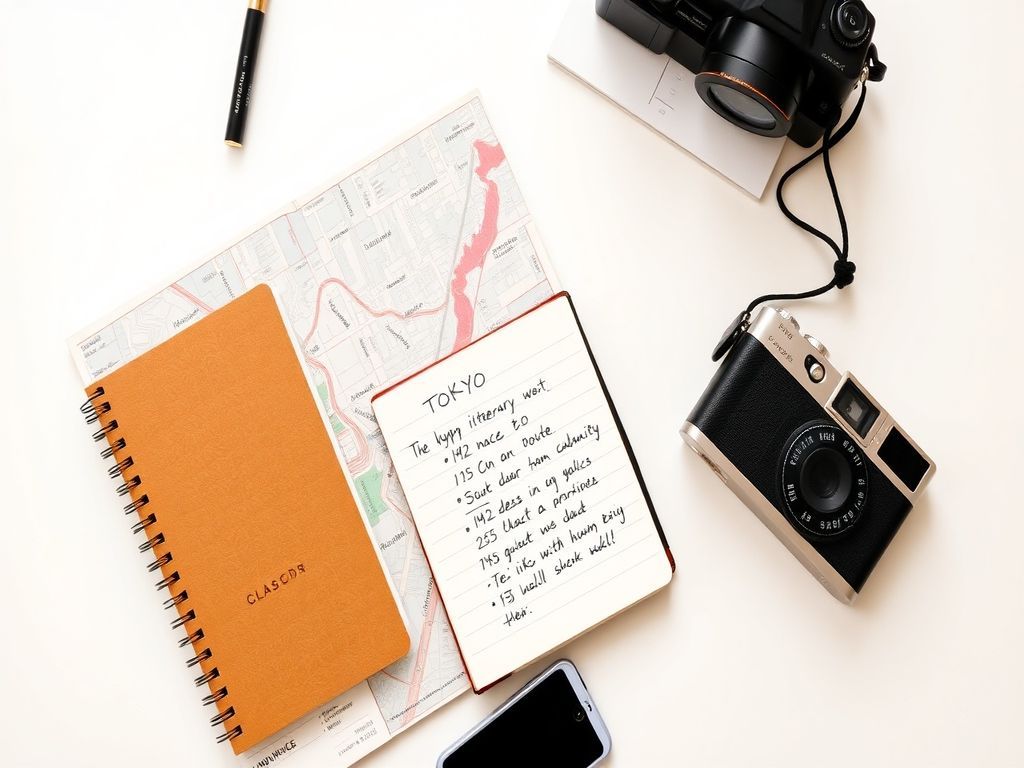
The key to a successful Tokyo trip for working professionals lies in strategic planning that prioritizes experiences, minimizes transit time, and builds in flexibility. We've found that a blend of structured days and spontaneous moments works best, especially when you're aiming for a trip that feels both fulfilling and relaxing.
1. Thematic Day Grouping
Instead of bouncing across the city, group your activities by geographic area or theme. This significantly reduces travel time on Tokyo's extensive, but sometimes confusing, public transport system. For example, dedicate one day to the traditional areas, another to modern youth culture, and a third to shopping and upscale experiences.
- Day 1: Arrival & Shinjuku's Neon Glow (Modern & Nightlife)
- Morning/Afternoon: Arrive at Narita (NRT) or Haneda (HND) Airport. Take the Narita Express (N'EX) or Keikyu Line to your accommodation, ideally in Shinjuku or Shibuya for central access. Check in and settle. Consider an early dinner to acclimate.
- Late Afternoon: Ascend to the Tokyo Metropolitan Government Building for free panoramic city views from its North Observatory (open until 10 PM, with last entry around 9:30 PM). It offers a stunning perspective, especially as dusk settles.
- Evening: Explore Shinjuku Gyoen National Garden (closes 4:30 PM, so best for a relaxed late afternoon stroll if time permits upon arrival) before diving into the vibrant nightlife of Shinjuku. Wander through the bustling streets of Kabukicho (for the spectacle) and then seek out the atmospheric, narrow alleys of Omoide Yokocho (Memory Lane) or Golden Gai for a drink and dinner. The contrast between skyscrapers and these intimate, retro alleys is striking.
- Omoide Yokocho (Shinjuku). This collection of tiny yakitori stalls, ramen shops, and bars offers an incredibly atmospheric dining experience. We love finding a small counter spot and ordering various yakitori skewers (chicken, pork belly, ginkgo nuts) fresh off the grill. The vibe is casual, smoky, and bustling, a perfect slice of old Tokyo. Expect to pay around ¥3,000–¥5,000 per person with drinks, making it a mid-range, authentic experience that fits perfectly after exploring Shinjuku's modernity.
- Day 2: Asakusa's Tradition & Ueno's Culture (History & Art)
- Morning: Begin in Asakusa, home to Senso-ji Temple, Tokyo's oldest temple. Walk through the bustling Nakamise-dori market street, sampling traditional snacks like age manju (fried buns) and picking up souvenirs. Spend at least 2–3 hours here, soaking in the historical atmosphere.
- Lunch: Enjoy a traditional meal in Asakusa.
- Daikokuya Tempura Honten (Asakusa). This historic restaurant, founded in 1887, specializes in tendon – tempura served over rice. Their signature dish features perfectly fried shrimp and vegetables with a rich, dark sauce. It's a popular spot, often with a queue, but the traditional setting and delicious food are worth it. Prices are mid-to-high range, typically ¥2,000–¥4,000 per person. It's an ideal stop for lunch after immersing yourselves in the cultural sights of Asakusa.
- Afternoon: Head to Ueno Park, a large public park housing several significant museums, including the Tokyo National Museum (Japan's largest art museum) and the Tokyo Metropolitan Art Museum. Choose one museum based on your interest to avoid museum fatigue. If art isn't your focus, a stroll through the park itself, with its shrines and ponds, is lovely.
- Evening: Consider Ginza for upscale window shopping and a more refined dinner experience, or return to Shinjuku or Shibuya for more casual options.
- Day 3: Shibuya's Pulse & Harajuku's Quirks (Pop Culture & Youth Fashion)
- Morning: Start in Shibuya, witnessing the iconic Shibuya Scramble Crossing. Capture photos, then visit the Hachiko statue. For an unparalleled view, ascend to Shibuya Sky, an open-air observation deck that offers breathtaking 360-degree vistas of the city. Book tickets online in advance, as popular time slots sell out quickly.
- Late Morning/Lunch: Walk from Shibuya to Harajuku. Explore Takeshita Street for its quirky fashion, crepe stands, and vibrant atmosphere. Afterward, find a quiet contrast at Meiji Jingu Shrine, a serene oasis dedicated to Emperor Meiji and Empress Shoken. The approach through the massive torii gates and forest path is remarkably peaceful.
- Afuri Ramen (various locations including Shibuya, Ebisu, Harajuku). Known for its lighter, yuzu-infused ramen broth, Afuri offers a refreshing alternative to heavier ramen styles. We particularly enjoy their Yuzu Shio Ramen, which features a clear, citrusy chicken broth and perfectly cooked noodles. It's a popular, modern chain with a casual, counter-seating atmosphere, perfect for a quick and delicious lunch. Expect to pay ¥1,000–¥1,500 per bowl, a solid mid-range option for a quality meal in a bustling area.
- Afternoon: Depending on your interest, you could revisit specific shops in Shibuya, explore the trendy backstreets of Cat Street (between Shibuya and Harajuku), or head to the Tokyo National Museum of Modern Art if you're keen on contemporary Japanese art.
- Evening: Enjoy dinner in Shibuya or explore the lively Izakaya scene in nearby Ebisu.
Eatery Recommendation
Eatery Recommendation
Eatery Recommendation
2. Strategic Food Planning
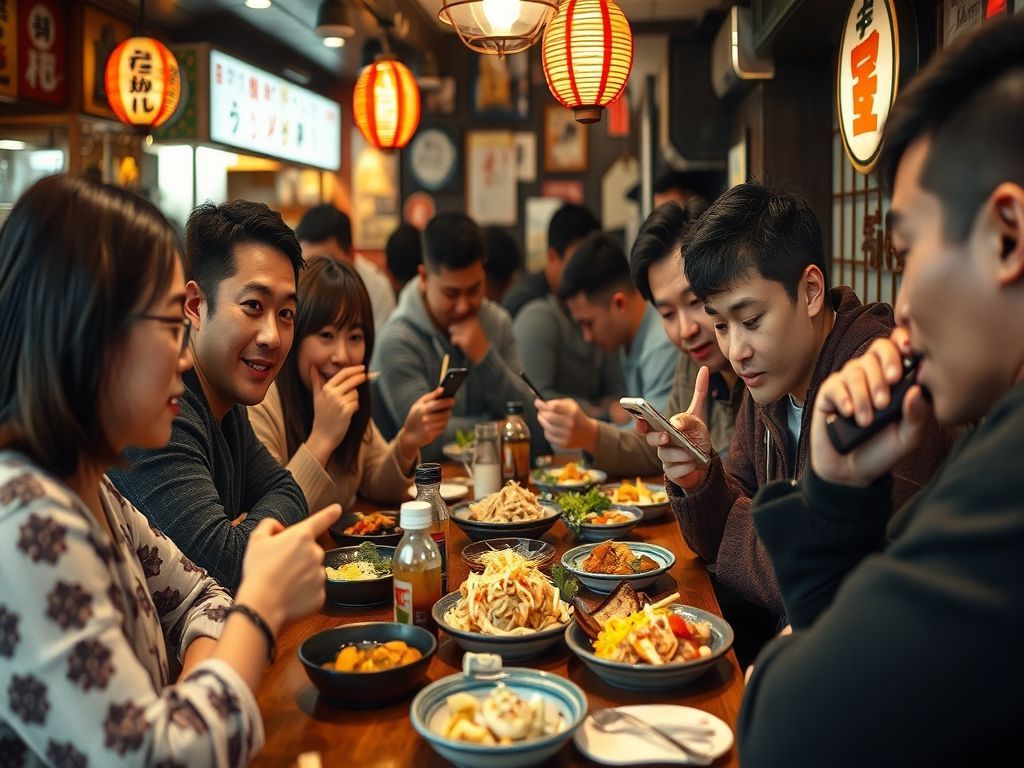
Eating well in Tokyo is non-negotiable, but you don't need reservations at Michelin-starred restaurants for every meal. Some of our most memorable food experiences have been spontaneous finds or convenience store gems. Embrace variety:
- Convenience Store Delights: Don't underestimate 7-Eleven, FamilyMart, or Lawson. They offer high-quality, fresh, and affordable meals, from onigiri (rice balls) and sandwiches to bento boxes and hot snacks. Perfect for quick breakfasts or picnics. A typical *onigiri
- costs around ¥150.
- Depachika (Department Store Basements): These food halls are culinary paradises, offering everything from gourmet bentos and exquisite pastries to fresh sushi and international delicacies. Perfect for a high-quality takeaway meal or unique food souvenirs. Mitsukoshi or Isetan department stores have particularly impressive ones.
- Vending Machines: While not for full meals, Japanese vending machines offer a fascinating array of drinks, from hot coffee in cans to various teas and juices. A fun, quick stop during a busy day. Warning: Some popular restaurants, especially those in smaller, older establishments, may be cash-only. Always carry a small amount of Japanese Yen (e.g., ¥5,000–¥10,000) for these situations. While credit cards are widely accepted in larger stores and hotels, smaller eateries or market stalls might not accept them.
3. Embrace Public Transportation (and IC Cards)
Tokyo's public transportation system is incredibly efficient and extensive. Invest in a Suica or Pasmo IC card immediately upon arrival. These reloadable cards work across most train and subway lines, as well as buses, and can even be used for purchases at convenience stores and vending machines. They save you the hassle of buying individual tickets, which is a huge time-saver. Simply tap and go.
Common Mistake: Trying to navigate without a reliable map app. Google Maps is excellent in Tokyo, providing real-time train schedules, platform numbers, and even exit suggestions. Download offline maps for areas where you anticipate limited connectivity.
4. Build in Downtime and Flexibility
While an itinerary provides structure, don't overschedule. Aim for 2–3 major activities per day, leaving room for spontaneous detours, unexpected discoveries, or simply resting your feet at a charming cafe. My partner and I learned this the hard way on a previous trip where we tried to pack in too much, leading to exhaustion rather than enjoyment. Allow for at least 60–90 minutes of unplanned time each day.
- Example: If you finish exploring Meiji Jingu earlier than expected, instead of rushing to the next planned spot, perhaps pop into a local coffee shop in Harajuku for a break and people-watching. Or, if a particular shop catches your eye, give yourself permission to explore it without feeling like you're falling behind schedule.
5. Consider a Themed Day Trip (Optional for Longer Stays)
If you have a 6–7 day trip, consider a day trip outside Tokyo. Popular choices include:
- Hakone: Famous for its onsen (hot springs), views of Mount Fuji (weather permitting), and the Hakone Open-Air Museum. Easily accessible via the Romancecar train from Shinjuku.
- Kamakura: A coastal town known for its temples, shrines, and the Great Buddha statue. Offers a different historical perspective. Warning: Day trips add significant travel time (typically 2–3 hours round trip for Hakone or Kamakura). Factor this into your energy levels and overall trip length. For a 4–5 day trip, it's generally best to focus purely on Tokyo itself to maximize your time in the city.
What's the Single Most Accessible First Action?
The first step to making your Tokyo trip a reality, and less overwhelming, is simple: secure your accommodation in a strategic location.
Look for hotels or guesthouses with excellent access to major train lines, particularly the Yamanote Line (Tokyo's main loop line), or direct access to Narita/Haneda airport lines. Shinjuku, Shibuya, and Ginza are popular choices for good reason – they offer superb connectivity, a wide range of dining options, and vibrant atmospheres. Booking this first will anchor your trip and simplify all subsequent planning, as you'll know your base of operations.
Conclusion
Planning a Tokyo adventure as a busy professional doesn't have to be a source of stress. By adopting a strategic approach, you can craft an itinerary that is both efficient and deeply rewarding. Remember these three key takeaways:
Group your activities geographically or thematically to minimize travel time and maximize exploration of each area.
Embrace Tokyo's diverse culinary landscape, from convenience store finds to traditional eateries, allowing for both convenience and authentic experiences.
Build in flexibility and downtime, ensuring your trip is a rejuvenating vacation, not a relentless marathon of sightseeing. Don't let the vastness of Tokyo deter you. Your most accessible first action today is to research and book your accommodation in a well-connected district like Shinjuku or Shibuya. This single decision will set a solid foundation for your trip, allowing you to then confidently build out your days, knowing you have a comfortable and convenient base to return to after each day's adventures.
Previous
Budget-Friendly Domestic Stays: Savvy Tips for Family Travelers
Next
Tokyo Travel: Crafting Your Perfect Itinerary for Professionals
More in Travel
Gyeongju Family Trip: Summer Beaches with a Baby on a Budget
Planning a Gyeongju family trip with a baby this summer? Discover budget-friendly beach options, accommodation tips, and a detailed cost breakdown for a memorable visit.
Gyeonggi Province or Yeosu: Choosing Your Couple's Getaway with Baby
Deciding between Gyeonggi Province and Yeosu for your couple's trip? This guide compares options for budget travelers and those with a baby.

Jeju Island Restaurants: Planning Special Occasion Travel Events
Planning special occasion travel? Discover how to create unforgettable Jeju Island dining experiences with practical tips, avoiding common pitfalls for your next trip.
Budget-Friendly Domestic Stays: Savvy Tips for Family Travelers
Discover how to find budget-friendly domestic stays with Richard's expert tips. Learn to identify value, leverage timing, and uncover hidden gems for memorable family travel.