Glamping with Kids: Essential Warnings for Family Fun
Key Takeaways
Planning family glamping? Learn a dad's secrets to smooth itineraries, minimizing wait times, and avoiding common pitfalls for a truly enjoyable trip with elementary-age kids.
Glamping with Kids: Essential Warnings for Family Fun
People who approach glamping with kids the same way they plan a romantic weekend getaway, and people who meticulously map out every minute with tiny travelers in mind, end up with very different results. One group often returns home exhausted and disappointed, wondering why their 'glamorous camping' adventure felt more like a survival mission. The other, with a bit of dirt on their knees and a lot of happy memories, is already planning their next family escape. I've been in both camps, literally, and I can tell you that the secret to being in the latter group lies not just in choosing a beautiful spot, but in understanding that glamping with elementary-age kids demands a completely different playbook.
Why Do Family Glamping Trips Often Go Awry?
It's a familiar scenario: a family scrolls through stunning images of luxurious tents, cozy yurts, or chic cabins nestled in nature. They envision serene mornings with coffee, peaceful hikes, and evenings under the stars. The reality, with two energetic kids, can often be a jarring contrast. In my experience, the biggest problem isn't the glamping site itself, but the mismatch between adult expectations and the unique needs of children.
Lack of a Kid-Centric Lens
When my wife and I first started glamping with our kids, now 7 and 9, we made the classic mistake of planning for ourselves. We'd pick a spot because it had a fancy hot tub or a gourmet kitchen. We'd schedule long nature walks or quiet afternoons reading. What we quickly learned, often through the unmistakable sound of a child's whine or a sibling squabble, was that these activities, while appealing to us, held little interest for them. Kids thrive on novelty, short bursts of activity, and a clear understanding of what's next. A beautiful view means nothing to a 7-year-old who needs to use the bathroom *right now
- or a 9-year-old who's already bored after 15 minutes of 'peaceful contemplation'. We realized we were designing trips that failed to account for their attention spans, energy levels, and fundamental need for structured play combined with ample downtime.
Over-Optimistic Scheduling
Another major pitfall I've observed, both in our own trips and with friends, is the tendency to overschedule. There's this urge to pack every possible activity into a short glamping trip because, well, 'we're already here!' I once planned a day that involved a morning hike, an afternoon paddleboarding session, and an evening campfire story, all before 8 PM. It looked great on paper. In practice, the hike took twice as long because someone found a cool rock every five steps, the paddleboarding session ended after 30 minutes due to fear of falling in, and by campfire time, everyone was beyond exhaustion. We ended up with tears, frustration, and a memorable evening for all the wrong reasons. A recent survey by the Family Travel Association (2023) found that over 60% of parents feel stressed by travel planning, largely due to balancing activities and kids' needs.
Misunderstanding 'Glamping' for Families
For adults, 'glamping' often implies a step up from traditional camping – hot showers, a real bed, maybe even Wi-Fi. For kids, it's still fundamentally 'camping' but with more comfortable walls. They don't always appreciate the artisanal coffee or the plush linens as much as they do a nearby stream for splashing, a safe area to run around, or a dedicated spot to play board games. We once booked a stunning, secluded glamping tent that was incredibly stylish but had no kid-friendly amenities whatsoever. No playground, no open field, just beautiful, breakable decor. My kids were bored within an hour, and my wife and I spent the rest of the trip trying to prevent them from touching everything. It was a beautiful location, but completely unsuitable for our family.
What Are the Secrets to a Smooth Family Glamping Itinerary?
After several learning experiences, my family and I have developed a system that has transformed our glamping trips from potential stress-fests into genuinely enjoyable adventures. It boils down to a few key strategies, all centered around anticipating and accommodating the unique dynamics of traveling with children.
Step 1: Choosing the Right Glamping Spot for Little Ones
This is where a significant chunk of my planning time goes. It’s not just about finding a pretty picture online; it's about forensic research into the practicalities for kids. I'm looking for specifics:
Kid-Friendly Amenities: Does it have a playground? A pool? An open field for running? What about a dedicated space *inside
the accommodation for them to play or draw? My kids love sites that offer things like a small climbing structure or even just ample space to kick a ball. We recently stayed at a glamping resort in upstate New York that had a fantastic 'adventure playground' and a shallow stream nearby – pure gold for active kids.
Bathroom Access and Comfort: This is non-negotiable. While some glamping spots have en-suite bathrooms, others rely on shared facilities. If it's shared, how far away is it? Is it well-lit and clean? Is there a family bathroom option? A midnight trek to a chilly, distant communal toilet with a sleepy child is a surefire way to dampen spirits. I always check distances on the site map and read reviews specifically mentioning bathroom conditions.
Safety and Space: Is there a safe, contained area for them to explore without constant supervision? Are there any immediate hazards like steep drops, unfenced water, or busy roads nearby? I often look for sites that are car-free within the accommodation area or have clear boundaries. This allows me to relax a little, knowing they can play freely.
Proximity to Activities: While the glamping site itself should offer some entertainment, I also consider nearby attractions. Are there easy hiking trails (not too long, maybe 1-2 miles at most)? A local farm? A small town with an ice cream shop? We usually aim for one major external activity per day, maximum, and keep it within a 20-30 minute drive. This minimizes travel-induced grumpiness. For example, a glamping site we love in Vermont is just a short drive from a fantastic children's museum, which is a perfect rainy-day backup plan.
Step 2: Mastering the Flexible Itinerary with Kids in Mind
This is perhaps the most crucial step for maintaining sanity. My travel philosophy for families is 'structure with extreme flexibility.' I create a general framework but bake in ample room for spontaneity and changes.
The 90-Minute Rule: I've found that for elementary-age kids, any single activity that lasts much longer than 90 minutes without a significant change of pace or scenery is pushing it. So, if we're hiking, I plan for a 60-90 minute stretch, followed by a break, snacks, or a completely different activity. This applies to everything from swimming to board games.
Buffer Zones are Your Best Friend: Every planned activity has a buffer of at least 30 minutes before and after. This accounts for bathroom breaks, unexpected meltdowns, finding a lost toy, or simply needing more time to transition. Rushing kids is never a good idea.
Kid Input is Essential: Before we even leave, I sit down with my kids and look at the planned activities. I let them choose one or two things they are most excited about. This gives them ownership and makes them more invested. I also encourage them to suggest 'downtime' activities they want to do at the site, like building a fort or drawing. We even have a family whiteboard where we list our 'glamping goals' for the trip.
One Major Activity Per Day: As I mentioned before, this is key. If we do a long hike in the morning, the afternoon is for quiet play, reading, or just relaxing at the glamping site. Don't try to cram in a museum *and
a hike *and
a swimming session. Pick one, enjoy it fully, and let the rest of the day unfold organically. This aligns with advice often given in
[our guide to family travel budgeting], emphasizing quality over quantity of experiences.
Step 3: Packing Smart for Every Kid-Related Contingency
Glamping offers the luxury of not having to haul a huge backpack, but it doesn't mean you can skimp on essentials for the kids. My packing list has evolved significantly over the years:
The 'Boredom Buster' Bag: This is a dedicated bag filled with things like coloring books, small LEGO sets, card games, a few favorite picture books, and maybe a tablet with pre-downloaded movies or games (used sparingly, of course). This bag is a lifesaver for rainy days, unexpected waits, or when parents just need 30 minutes of quiet.
Snacks, Snacks, Snacks: I cannot overstate the importance of a well-stocked snack arsenal. Kids get hungry at unpredictable times, and having their favorite crackers, fruit pouches, or energy bars readily available prevents 'hangry' meltdowns. I always pack at least 10-12 different types of snacks for a 2-day trip, aiming for 50-70% healthy options.
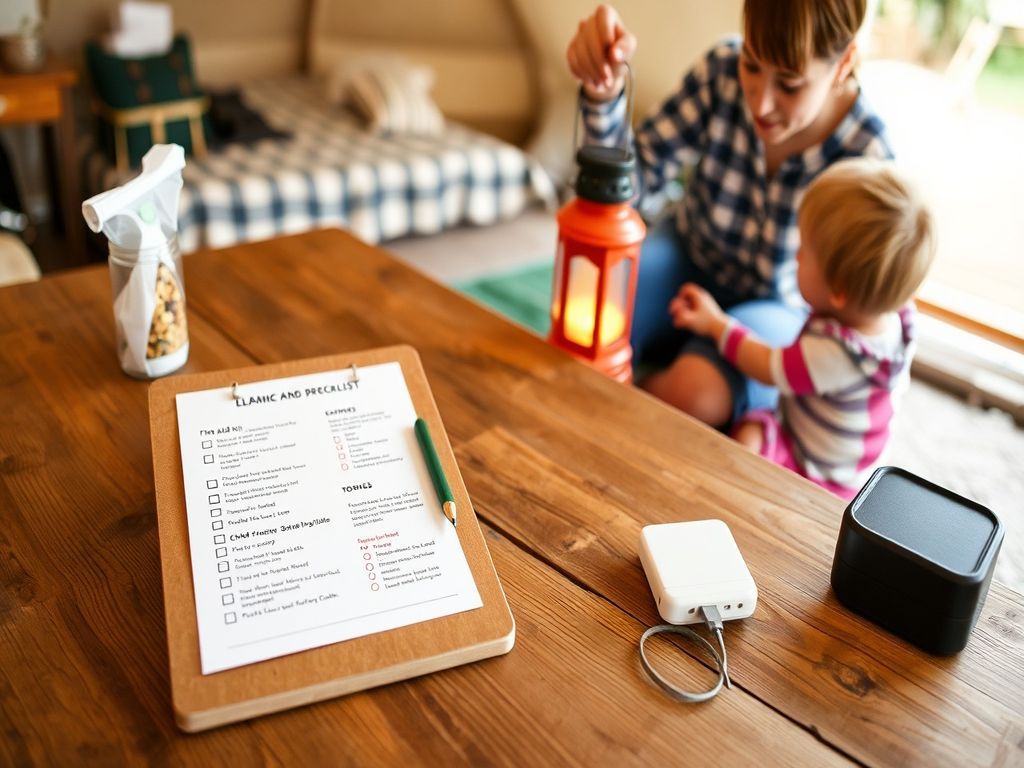
First-Aid and Comfort Items: Beyond the standard first-aid kit, I always bring specific items for my kids: their preferred brand of children's pain reliever, bandages with fun designs, their specific allergy medicine if needed, and a comforting blanket or stuffed animal. A good headlamp for each kid is also crucial for nighttime bathroom trips or exploring after dark.
Layers of Clothing: Glamping often means varied temperatures. Packing multiple layers (base, mid, outer) ensures they're comfortable whether it's a chilly morning or a warm afternoon. Don't forget rain gear, even if the forecast looks clear.
Step 4: Setting Realistic Expectations for Family Fun
This is more about mental preparation than physical planning. It's about letting go of the picture-perfect Instagram vision and embracing the beautiful chaos of family travel.
It Won't Be Perfect: There will be spills, arguments, moments of boredom, and possibly even tears. That's normal. Acknowledge it, address it, and move on. My goal isn't perfection, it's creating positive memories that outweigh the minor hiccups.
Embrace Spontaneity (Within Limits): While I plan meticulously, I also leave room for unexpected detours. If we stumble upon a cool playground or a roadside attraction, and the kids are genuinely excited, I'm prepared to adjust our schedule. The flow is important, but sometimes a good diversion is even better.
Your Definition of 'Relaxing' May Change: For me, 'relaxing' on a family glamping trip means seeing my kids genuinely happy and engaged, even if it means I'm not reading my book for hours. It's a different kind of relaxation, and it's incredibly rewarding. I've found that my own enjoyment skyrockets when I prioritize their experience.
How Can We Ensure Future Glamping Adventures Stay Stress-Free?
Prevention is always better than cure, especially when it comes to family travel. After each glamping trip, my wife and I have a mini 'debrief' session. It's not formal, but we chat about what worked, what didn't, and what we'd change for next time. This feedback loop is invaluable for refining our approach and ensuring future trips are even smoother.
Post-Trip Debrief: We ask ourselves (and the kids, too, in a simple way): What was the best part? What was the worst part? What would we definitely do again? What would we skip? This helps us remember specifics when planning our next adventure. For instance, after one trip, we realized the kids hated a certain type of glamping tent because it felt too cramped, so we now prioritize cabin-style accommodations.
Create a 'Family Travel Playbook': Over time, we've built up a document (mostly mental, but some notes in my phone) of tried-and-true activities, kid-friendly glamping sites we've loved, and packing hacks. This living document is incredibly helpful. It means I'm not starting from scratch every time we plan. For tips on how to streamline this, one might consult
[a guide to efficient family travel planning].Regular Check-ins with the Kids: Even when we're at the glamping site, I frequently check in with my kids. 'Are you having fun?' 'Do you need a break?' 'Are you hungry?' Simple questions can avert a meltdown before it starts. Sometimes, all they need is a 15-minute quiet time in the tent with a book to recharge.
Don't Repeat the Same Mistakes: This sounds obvious, but it's easy to fall back into old habits. If a certain activity was a bust last time, don't force it again. If a glamping site was too remote or lacked amenities, cross it off the list for family trips. Learning from past errors is the most powerful preventative measure. I made the mistake of thinking my kids would 'grow into' liking long, scenic drives after a few trips. They didn't. Now, I cap driving time at 2.5 hours, period.
Ultimately, successful family glamping isn't about finding the most luxurious tent or the most picturesque view. It's about designing an experience that truly caters to the energy, curiosity, and comfort of your children. When they're happy, engaged, and well-rested, then the adults can genuinely relax and soak in the 'glamorous' aspects of the trip.
Conclusion
Embarking on a glamping trip with elementary-age children can be an incredibly rewarding experience, but it requires a strategic shift in planning. My journey as a dad has taught me three key takeaways: first, *always prioritize a kid-centric approach
when choosing your glamping site and activities; second, *build a flexible itinerary with ample buffer zones
to accommodate the unpredictable nature of kids; and third, *manage your own expectations
by embracing the beautiful chaos and finding joy in your children's happiness. My specific action for you today is this: for your next family glamping adventure, sit down with your kids for 15 minutes and genuinely ask them what they'd most like to do and what they'd hate to do, then integrate their feedback into your plan. You'll be amazed at the difference it makes.
Previous
Car Camping for Families: Essential Gear & Top Spots Explained
Next
Templestay for Couples: Essential Tips & What to Expect
More in Travel
Gyeongju Family Trip: Summer Beaches with a Baby on a Budget
Planning a Gyeongju family trip with a baby this summer? Discover budget-friendly beach options, accommodation tips, and a detailed cost breakdown for a memorable visit.
Gyeonggi Province or Yeosu: Choosing Your Couple's Getaway with Baby
Deciding between Gyeonggi Province and Yeosu for your couple's trip? This guide compares options for budget travelers and those with a baby.

Jeju Island Restaurants: Planning Special Occasion Travel Events
Planning special occasion travel? Discover how to create unforgettable Jeju Island dining experiences with practical tips, avoiding common pitfalls for your next trip.

Tokyo Travel: Crafting Your Perfect Itinerary for Professionals
Planning a Tokyo travel adventure as a busy professional? Discover an efficient itinerary, top attractions, and authentic dining spots. Maximize your limited time.