Energy Saving Habits: A Guide for Your New Home
Key Takeaways
Energy saving is crucial when moving. Discover practical habits and smart home upgrades to reduce utility bills, minimize your carbon footprint, and create an eco-efficient new home.
Energy Saving Habits: A Guide for Your New Home
Preparing for a move involves countless decisions, from packing logistics to furniture arrangements. Yet, one of the most impactful, often overlooked areas is how to cultivate an energy-saving lifestyle in your new residence. This comprehensive guide will equip you with practical strategies for significantly reducing your utility bills, provide specific recommendations for energy-efficient upgrades suited for a new start, and outline daily habits that foster a sustainable living environment from day one. By the end, you'll be ready to transform your new house into an energy-efficient haven, saving money and contributing to a healthier planet.
Why Prioritize Energy Saving When Moving?
Moving into a new home presents a unique opportunity—a blank slate to establish efficient practices and make smart choices that will benefit you for years. Unlike minor adjustments in an existing home, a move allows for a holistic approach to energy efficiency, enabling you to integrate sustainable habits and upgrades seamlessly.
There are several compelling reasons why energy saving should be a top priority during your moving preparations:
- Significant Financial Savings: Lowering energy consumption directly translates to reduced monthly utility bills. Over time, these savings can amount to hundreds, even thousands, of dollars annually, freeing up funds for other household priorities or investments. For instance, implementing comprehensive energy-saving measures can cut your average monthly electricity bill by 10% to 30%, depending on your previous habits and the efficiency of your new home.
- Reduced Environmental Impact: Every kilowatt-hour of electricity saved means less demand on power plants, many of which rely on fossil fuels. This directly contributes to a smaller carbon footprint, helping combat climate change and preserve natural resources. Adopting an energy-efficient lifestyle is a tangible way to play your part in environmental stewardship.
- Increased Home Comfort and Value: An energy-efficient home is often a more comfortable home. Proper insulation, efficient windows, and well-maintained HVAC systems ensure consistent indoor temperatures, fewer drafts, and better air quality. Furthermore, properties with documented energy efficiency upgrades often command higher resale values, making your initial investments a smart long-term decision.
- Establishing Positive Habits Early: A new home is the perfect setting to shed old, wasteful habits and embrace new, sustainable ones. It's easier to implement practices like unplugging electronics or adjusting thermostat settings from the outset than trying to change deeply ingrained routines later. This fresh start fosters a proactive mindset towards responsible resource consumption.
How Can You Make Your New Home Energy Efficient?
Transitioning into a new space offers an ideal moment to assess and implement foundational energy-saving measures. Prioritizing these steps during or immediately after your move can lock in long-term savings and comfort.
Assess and Optimize Your Home's Envelope
Your home's 'envelope'—its exterior walls, roof, foundation, windows, and doors—is the first line of defense against energy loss. Addressing these areas can yield substantial savings.
- Insulation Check: Before moving in, or shortly after, investigate the insulation levels in your attic, walls, and crawl spaces. Many older homes, especially those built before the 1980s, may have insufficient insulation. Adding insulation, particularly in the attic, can be one of the most cost-effective upgrades, potentially reducing heating and cooling costs by up to 20% annually. Specifically, aim for R-values recommended for your climate zone (e.g., R-38 to R-60 for attics in many temperate climates).
- Seal Air Leaks and Gaps: Drafts around windows, doors, electrical outlets, and plumbing penetrations are significant culprits of energy waste. Use caulk for stationary gaps and weatherstripping for movable components like windows and doors. A professional energy audit can pinpoint hidden leaks, but a simple test with an incense stick can reveal drafts around frames. For example, sealing major air leaks can reduce your heating and cooling costs by an average of 10% to 15%.
- Window and Door Upgrades: If your new home has single-pane windows or old, poorly sealed doors, consider upgrading to double-pane, low-emissivity (Low-E) windows or energy-efficient doors. While a larger investment, these can dramatically improve thermal performance. As a temporary measure, window film kits or heavy curtains can offer some insulation.
HVAC System Optimization
Your heating, ventilation, and air conditioning (HVAC) system is typically the largest energy consumer in your home, often accounting for 40% to 50% of your total energy bill. Proactive measures here are paramount.
- Professional Tune-Up: Before the first heating or cooling season, schedule a professional HVAC inspection and tune-up. A well-maintained system runs more efficiently, extending its lifespan and reducing energy consumption by 5% to 15%.
- Filter Replacement: Commit to replacing your HVAC filters every 1 to 3 months, or more frequently if you have pets or allergies. A dirty filter restricts airflow, forcing your system to work harder and consume more energy. This common mistake can increase your system's energy usage by 5% to 15%.
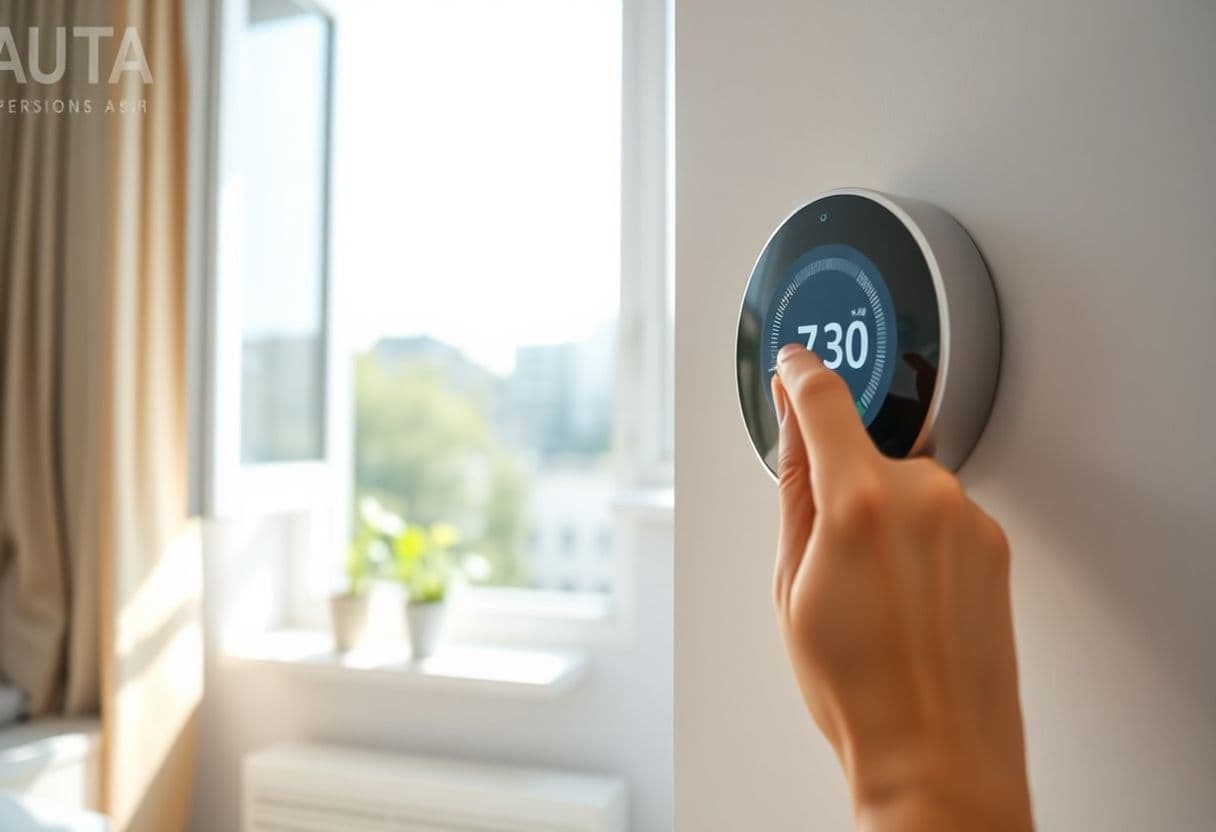
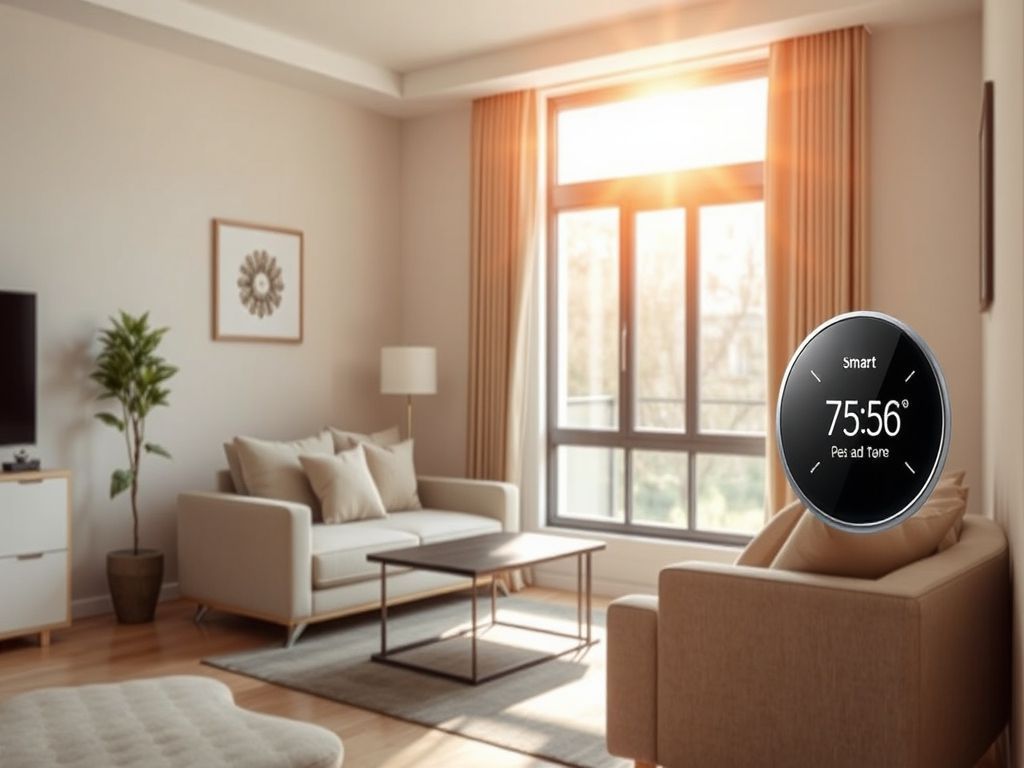
- Smart Thermostat Installation: Install a smart thermostat that learns your habits and can be controlled remotely. These devices can optimize heating and cooling schedules, automatically adjusting temperatures when you're away and pre-cooling/heating before you arrive. Many homeowners report saving 10% to 12% on heating and cooling costs with a smart thermostat.
Lighting and Water Heating
These areas, while seemingly smaller, offer straightforward opportunities for efficiency.
- Switch to LED Lighting: Replace all incandescent and fluorescent bulbs with LED alternatives. LEDs consume 75% to 80% less energy and last up to 25 times longer than traditional bulbs. The upfront cost is quickly recouped through energy savings and reduced replacement frequency. For example, replacing just five frequently used incandescent bulbs with ENERGY STAR-certified LEDs can save you approximately $75 per year.
- Water Heater Efficiency: Insulate your water heater tank if it's an older model, and insulate the first 6 feet of hot and cold water pipes connected to it. Set the thermostat on your water heater to 49°C (120°F) – this is hot enough for most uses and reduces standby heat loss. Consider a tankless water heater for significant long-term savings, as they only heat water on demand.
Smart Appliances and Technology for Lower Bills
Investing in smart appliances and home technology can significantly enhance your energy-saving efforts, offering convenience and measurable reductions in consumption.
- ENERGY STAR Certified Appliances: When purchasing new appliances for your move, always look for the ENERGY STAR label. These products meet strict energy efficiency guidelines set by the EPA and Department of Energy.
- Refrigerators: Modern ENERGY STAR refrigerators are significantly more efficient. An ENERGY STAR certified refrigerator uses 9% less energy than a conventional model.
- Dishwashers: ENERGY STAR dishwashers use less hot water and energy, often saving around 3,800 gallons of water over their lifetime.
- Washing Machines: ENERGY STAR washing machines use about 25% less energy and 33% less water than regular washers.
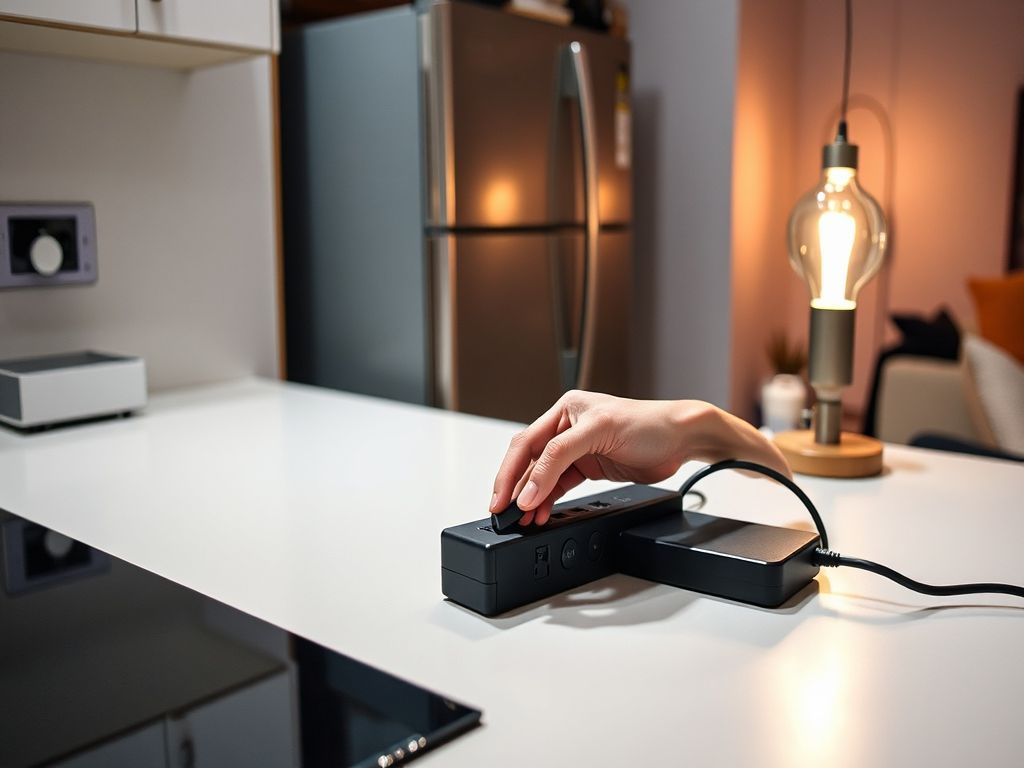
- Smart Power Strips: Combat 'phantom load'—the electricity consumed by electronics even when they're turned off or in standby mode. Smart power strips automatically cut power to devices when they're not in use, preventing this silent drain on your electricity bill. Phantom load can account for 5% to 10% of a typical household's electricity consumption.
- Smart Lighting Systems: Beyond just LED bulbs, smart lighting systems allow you to control lights remotely, set schedules, and dim them, further reducing energy use. Some even have motion sensors that turn lights off automatically when a room is empty.
- Energy Monitoring Devices: Installing a home energy monitor can provide real-time data on your electricity consumption. This awareness can be incredibly motivating, helping you identify energy hogs and track the impact of your saving efforts. Many smart thermostats also offer energy usage reports.
Everyday Habits for Sustainable Living
While big upgrades make a difference, the consistent application of small, daily habits forms the backbone of an truly energy-saving lifestyle. These practices require minimal effort but collectively lead to substantial savings.
- Mindful Thermostat Management: Avoid the common mistake of constantly adjusting your thermostat. Instead, aim for a consistent, comfortable temperature. The Department of Energy recommends setting your thermostat to 20°C (68°F) in winter and 26°C (78°F) in summer when you are home. When away for more than a few hours, adjust the temperature by 3-5°C (5-8°F) to reduce energy consumption without overworking your system upon return.
- Unplug 'Vampire' Electronics: Make a habit of unplugging chargers, TVs, coffee makers, and other electronics when they're not in use. Even when off, many devices draw a small amount of power. This simple action can reduce your electricity bill by several dollars each month.
- Optimize Laundry Habits:
- Wash clothes in cold water whenever possible; 90% of the energy used by a washing machine goes to heating water.
- Always run full loads to maximize efficiency.
- Clean the lint filter in your dryer before every load to improve airflow and reduce drying time by up to 30%.
- Consider air-drying clothes on a line or rack, especially during warmer months.
- Smart Kitchen Practices:
- Match pot size to burner size to prevent heat loss.
- Use lids on pots to trap heat and cook food faster, saving energy.
- Avoid opening the oven door unnecessarily; each peek can drop the internal temperature by 10-15°C (50-75°F).
- Defrost food in the refrigerator overnight instead of using a microwave, saving energy and ensuring food safety.
- Ensure your refrigerator and freezer are set to optimal temperatures (e.g., 3-4°C (37-40°F) for fridges, -18°C (0°F) for freezers).
- Strategic Window and Shade Use: Utilize natural light during the day to reduce reliance on artificial lighting. In summer, close curtains and blinds on sun-facing windows during the hottest part of the day to keep heat out. In winter, open them during sunny hours to let in free solar heat, then close them at dusk to trap warmth inside.
Avoiding Common Energy Pitfalls in Your New Home
Moving can be chaotic, and it's easy to overlook energy-saving details amidst unpacking and settling in. Being aware of these common pitfalls can help you steer clear of unnecessary energy waste and higher bills.
- Neglecting HVAC Maintenance: This is a crucial warning. Many homeowners assume their HVAC system is fine as long as it's running. However, skipping annual professional tune-ups and regular filter changes significantly reduces efficiency. A neglected system can consume 5% to 15% more energy than a well-maintained one, leading to higher bills and premature breakdowns.
- Ignoring Drafts and Leaks: While a new home might feel 'tight,' subtle drafts around windows, doors, and electrical outlets can still be present. Failing to identify and seal these leaks is a common mistake that can increase your heating and cooling costs by 5% to 30%. Take the time to conduct a thorough draft check, especially before extreme weather sets in.
- Over-Cooling or Over-Heating Your Space: It's tempting to set the thermostat to extreme temperatures for immediate comfort, but this is highly inefficient. Blasting the air conditioning to 18°C (65°F) in summer or cranking the heat to 24°C (75°F) in winter consumes far more energy than necessary. Aim for moderate, consistent temperatures and use ceiling fans to aid air circulation without drastically altering the thermostat setting.
- Leaving Electronics on Standby Indefinitely: This common oversight contributes significantly to phantom load. Many people forget that devices like gaming consoles, televisions, and computer monitors continue to draw power even when turned off but still plugged in. Making a conscious effort to unplug them or use smart power strips will eliminate this wasted energy.
- Inefficient Use of Major Appliances: Forgetting to fully load dishwashers and washing machines, or regularly opening the oven door, are simple habits that lead to energy waste. Each small inefficient action adds up. For instance, running a half-empty dishwasher uses almost as much water and electricity as a full one.
FAQ
How quickly can I expect to see savings after implementing energy-saving habits?
You can often observe immediate savings on your utility bills, particularly for habits like unplugging electronics, adjusting thermostat settings, and using cold water for laundry. Larger investments like insulation or new appliances will show more significant savings over time, typically within the first few billing cycles, as their impact is more profound and continuous. The exact timeline depends on your starting point and the scope of changes made.
Are there government incentives or rebates for energy-efficient upgrades?
Yes, many governments and local utility companies offer incentives, rebates, or tax credits for homeowners who invest in energy-efficient upgrades. These can include rebates for ENERGY STAR appliances, insulation, high-efficiency HVAC systems, and even solar panels. It's highly recommended to check with your local energy provider or government housing agencies as you settle into your new home, as programs vary by region and can significantly offset upfront costs.
What's the best way to monitor my energy consumption in a new home?
The most effective way to monitor your energy consumption is by using a home energy monitor, which provides real-time data on your electricity usage. Many utility companies also offer online portals or apps that break down your consumption patterns and compare them to similar homes. Additionally, regularly reviewing your monthly utility bills, paying attention to kilowatt-hour usage rather than just the total cost, will help you track progress and identify areas for further improvement.
Conclusion
Establishing an energy-saving lifestyle from the moment you move into your new home is a remarkably proactive step, offering benefits that extend far beyond mere financial savings. We've explored how a new home provides a unique opportunity to embed efficiency, the tangible financial and environmental advantages of reducing consumption, and practical strategies for achieving these goals.
To recap, remember these three key takeaways:
- Strategic Planning is Key: Leverage your move as a fresh start to assess your home's energy envelope, optimize HVAC systems, and upgrade to energy-efficient appliances.
- Everyday Habits Matter: Consistent small actions, from mindful thermostat adjustments to unplugging phantom loads, collectively contribute to significant savings and a sustainable lifestyle.
- Avoid Common Pitfalls: Be proactive about HVAC maintenance, sealing drafts, and smart appliance usage to prevent unnecessary energy waste.
Take action today: Identify one area in your new home, such as replacing your most frequently used light bulbs with LEDs or setting up a smart thermostat, and commit to making that change this week. Your wallet and the planet will thank you.
More in Lifestyle
Growing Succulents: The Ultimate Guide for Single Households
Discover easy tips for growing succulents, perfect for single-person households. Learn about watering, light, soil, and common mistakes to keep your plants thriving.
Basic Car Maintenance: Your Essential Guide Before Moving
Master basic car maintenance with this essential guide. Learn pre-move checks, fluid care, and tire safety to ensure your vehicle is reliable for any journey.