European Backpacking with Kids: Your Ultimate Packing Checklist
Key Takeaways
European backpacking with kids requires smart planning. This guide offers a comprehensive packing checklist for parents, covering essentials, logistics, and family travel tips.
European Backpacking with Kids: Your Ultimate Packing Checklist
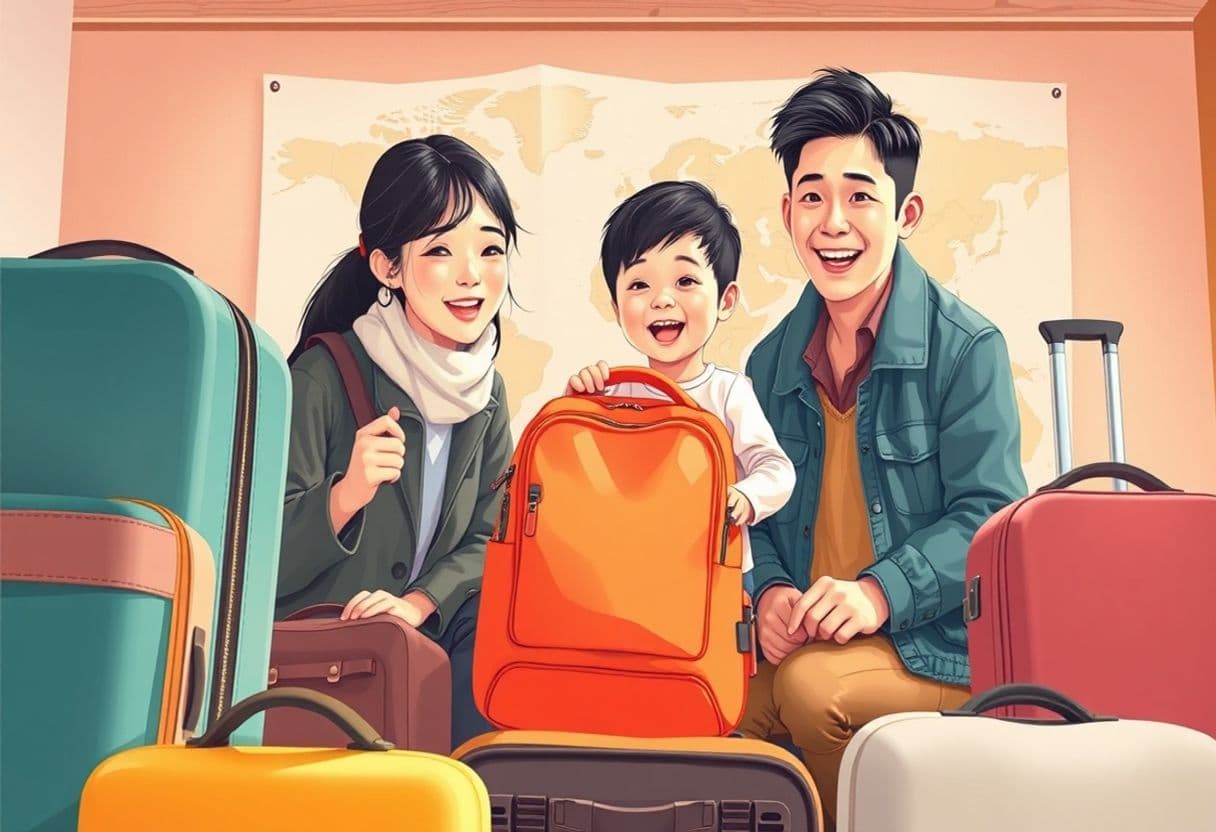
Embarking on a European backpacking adventure with your children is an incredibly rewarding experience, offering unique opportunities for family bonding and cultural immersion. However, the 'backpacking' aspect takes on a different meaning when you're managing not just your own gear, but also the needs of little ones. This comprehensive guide is designed to help parents navigate the preparation process, ensuring you pack smart, plan effectively, and enjoy every moment. By the end of this article, you will have a clear understanding of the essential packing items for family travel, practical strategies for managing logistics with children, and key insights into crafting a memorable, stress-free itinerary.
What Does 'Backpacking' Mean for Traveling Parents in Europe?
For many, 'backpacking' conjures images of solo adventurers with a single, massive pack, roughing it in hostels, and traveling on a shoestring budget. When you add children to the mix, the definition naturally evolves. It's less about extreme minimalism and more about efficient, agile, and purposeful travel. Instead of hauling everything on your back for weeks, it means opting for lighter luggage that's easy to maneuver through train stations and cobblestone streets, choosing family-friendly accommodations, and embracing a slower, more immersive pace. It doesn't mean sacrificing the spirit of adventure; rather, it means tailoring the adventure to suit the entire family's needs.
The Shift in Mindset
When traveling with children, your priorities shift from purely personal exploration to creating shared experiences. This means:
- Prioritizing Comfort: While you might have tolerated a hard hostel bed in your younger days, a good night's sleep is paramount for both parents and children. Consider apartments, family rooms in hotels, or even glamping sites that offer more space and amenities.
- Slower Pace: Forget trying to hit five cities in five days. A family backpacking trip thrives on spending 3-5 nights in each location, allowing time for rest, play, and deeper exploration without constant hurried transitions. For example, instead of rushing through Paris, dedicate 4 full days to exploring specific neighborhoods, parks, and child-friendly museums.
- Adaptability: Kids are unpredictable. Be prepared for last-minute changes to your itinerary due to tiredness, illness, or simply a spontaneous discovery of a fantastic playground. Flexibility is your most valuable packing item.
Understanding this fundamental shift is the first step toward successful family backpacking. It allows you to approach packing and planning with a realistic perspective, focusing on what genuinely enhances the family's experience rather than adhering to rigid, pre-conceived notions of what 'backpacking' should be.
How to Curate Your Family's Essential European Backpacking Packing List?
Packing is arguably the most critical aspect of preparing for any trip, and even more so when traveling with children. The goal is to be prepared without overpacking, which can quickly become a major burden. Aim for each parent to carry one main backpack (around 40-60 liters) and a smaller daypack for daily excursions. Children, especially those aged 5 and above, can carry a small backpack with their own essentials and entertainment.
Clothing: The Layering Strategy
Europe's weather can be unpredictable, even within the same season. The key is layering. Pack versatile, quick-drying items that can be mixed and matched. For a 2-week trip, aim for 5-7 days' worth of clothing per person, planning to do laundry every 4-5 days.
- Base Layers: Lightweight, moisture-wicking t-shirts (2-3 per person).
- Mid-Layers: A fleece or light sweater for cooler evenings or air-conditioned spaces (1-2 per person).
- Outerwear: A waterproof and windproof jacket is non-negotiable, especially for spring or autumn travel. A packable down jacket can also be incredibly useful.
- Bottoms: Versatile trousers (e.g., travel pants that convert to shorts), jeans, or comfortable leggings (2-3 pairs per person). For children, consider robust, easily washable options.
- Undergarments & Socks: Enough for 5-7 days. Merino wool socks are excellent for regulating temperature and resisting odor.
- Sleepwear: One comfortable set per person.
- Swimwear: If your itinerary includes beaches, pools, or water parks.
Warning: A common mistake is packing too many 'just in case' outfits. Stick to versatile basics. For example, a single pair of black trousers can be dressed up or down.
Footwear: Comfort is King
You'll be doing a significant amount of walking. Each family member needs:
- Comfortable Walking Shoes: A pair of supportive sneakers or walking sandals is essential. Ensure they are well broken-in before the trip.
- Casual Shoes/Sandals: A second, lighter pair for evenings or warmer days. Flip-flops are great for shared bathrooms or short strolls.
Documents, Money, and Electronics
These are the non-negotiables for smooth travel:
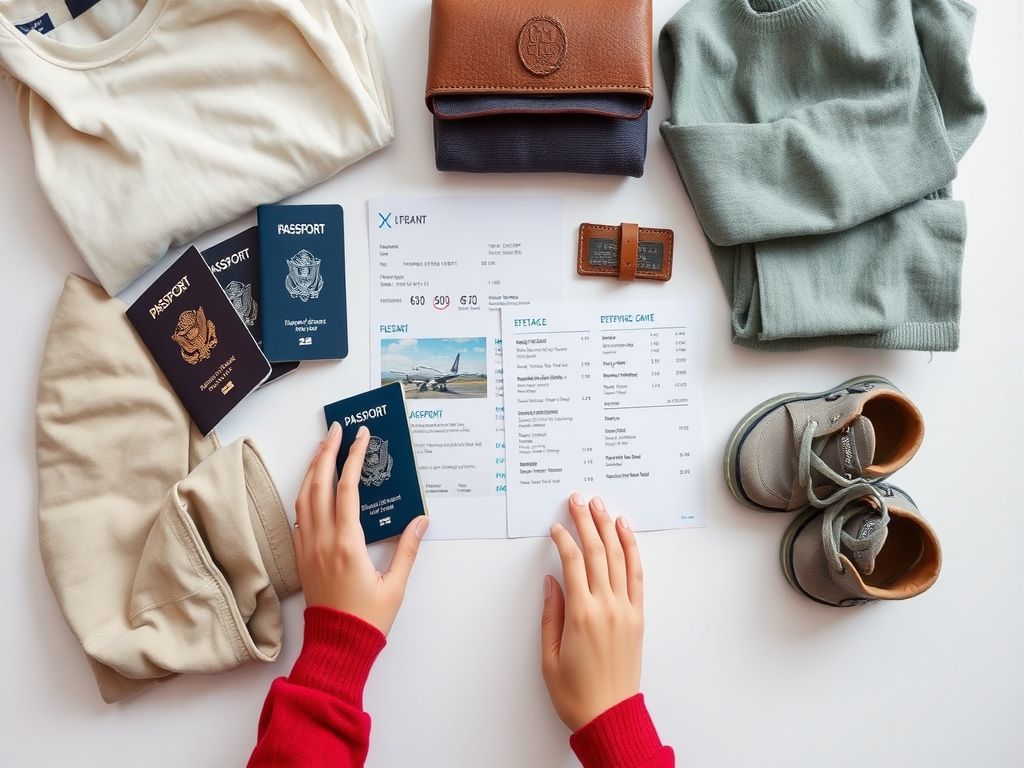
- Passports & Visas: Ensure passports are valid for at least 6 months beyond your return date. Check visa requirements for all family members well in advance.
- Copies: Carry physical and digital copies of all important documents (passports, flight tickets, accommodation bookings, travel insurance).
- Money: A combination of credit/debit cards (notify your bank of travel plans) and a small amount of local currency (e.g., 100-200 EUR) for immediate expenses. Consider a travel-specific debit card with low foreign transaction fees.
- Universal Travel Adapter: Europe primarily uses Type C or F plugs. A single adapter with multiple USB ports is incredibly useful for charging multiple devices simultaneously.
- Power Bank: A high-capacity power bank (e.g., 20,000 mAh) can recharge multiple phones or tablets multiple times, crucial for long travel days or unexpected delays.
- Phones, Chargers, Headphones: Don't forget these daily essentials. Noise-canceling headphones can be a lifesaver for children (and parents!) on planes or trains.
Health, Safety, and Personal Care
- Basic First-Aid Kit: Band-aids, antiseptic wipes, pain relievers (adult and child-friendly options), allergy medication, motion sickness tablets, thermometer, blister treatment.
- Prescription Medications: Carry these in their original containers with a doctor's note, especially if they are controlled substances.
- Travel-Sized Toiletries: Shampoo, conditioner, soap, toothpaste, sunscreen (SPF 30+ recommended), insect repellent.
- Child-Specific Items: Diapers (pack enough for 2-3 days, then buy locally), wipes, formula/baby food (if applicable), specific lotions or creams.
- Hand Sanitizer: Always useful when soap and water aren't readily available.
Kids' Comfort and Entertainment
This category is crucial for maintaining sanity during travel days and downtime.
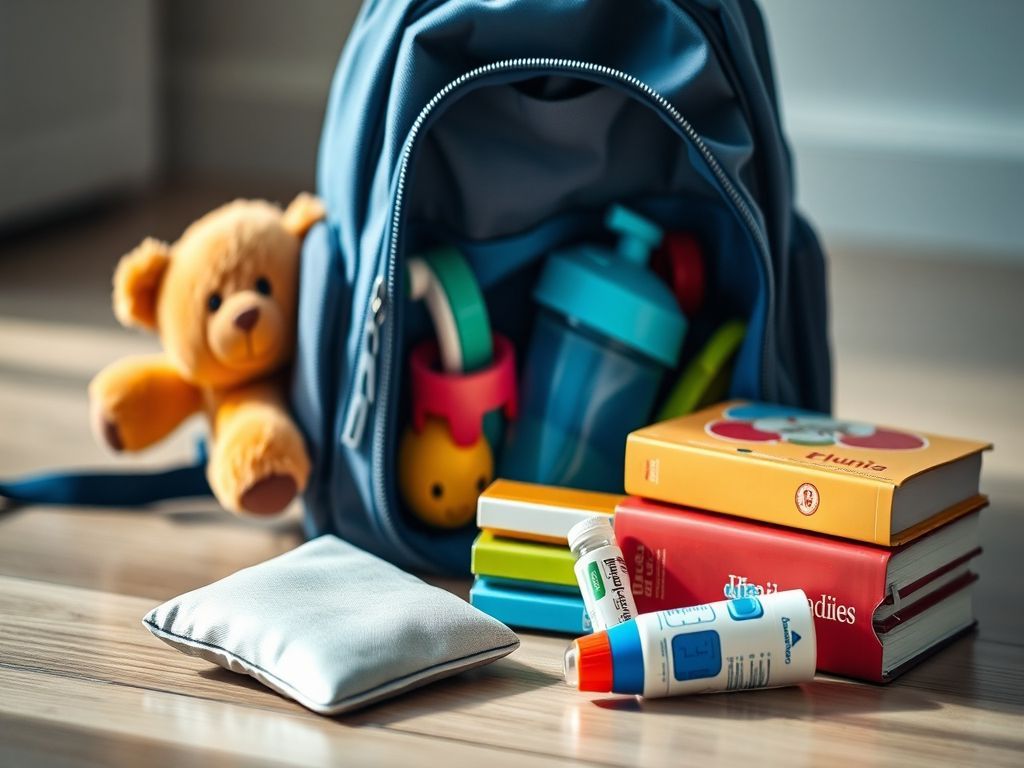
- Small, Beloved Toy/Comfort Item: Helps children feel secure in new environments.
- Books & Coloring Supplies: Compact and screen-free entertainment.
- Tablet/Smartphone: Pre-loaded with movies, educational games, and audiobooks. Set screen time limits (e.g., 1-2 hours per day) to avoid over-reliance.
- Snacks: Non-perishable favorites for picky eaters or long journeys. Think granola bars, dried fruit, crackers.
- Portable Carrier/Stroller: For younger children, a lightweight, foldable travel stroller or an ergonomic baby carrier is invaluable for navigating crowded spaces and allowing naps on the go.
Example: Specifically, for a family with a toddler, a Bugaboo Butterfly or a Babyzen YOYO stroller, which folds down to cabin-baggage size, can make airport transfers and public transport significantly smoother.
Navigating Accommodation and Transport Logistics with Children
Successful family backpacking in Europe hinges on smart logistical planning. It's about finding the right balance between adventure and ensuring everyone's comfort.
Choosing Family-Friendly Accommodation
Gone are the days of impromptu hostel stays. With children, pre-booking is almost always essential. Consider these options:
- Apartments/Holiday Rentals (e.g., Airbnb, Booking.com): Often the best choice for families. They provide more space, separate sleeping areas, and crucial amenities like a kitchen and laundry facilities. This allows for preparing some meals, saving money, and catering to specific dietary needs. Look for places with 2-3 bedrooms for a family of four to ensure sufficient space.
- Family Rooms in Hotels: Many hotels offer connecting rooms or larger family suites. Research hotels that specifically cater to families, often boasting amenities like kids' clubs, pools, or playgrounds.
- Hostels with Private Family Rooms: Some modern hostels now offer private rooms with en-suite bathrooms, providing a budget-friendly option with a social atmosphere, without sacrificing privacy.
Warning: Always read recent reviews, paying close attention to comments about noise levels, safety features, and proximity to public transport or child-friendly attractions.
Efficient European Transport with Kids
Europe's extensive transport network is a backpacker's dream. With kids, however, a bit more planning is required.
- Trains: Often the most comfortable and scenic way to travel between cities. Many European high-speed trains offer family compartments or dedicated quiet zones. Booking 2-3 months in advance can secure better seats and prices, especially for popular routes. Children under 4-6 years old often travel free or at a reduced rate.
- Budget Airlines: Useful for covering long distances quickly (e.g., London to Rome). Book well in advance for the best fares. Be meticulous about baggage allowances; budget airlines are strict, and excess fees can quickly erase any savings. Consider investing in a child's travel seat or booster for flights if appropriate.
- Buses: Generally the most economical option for shorter inter-city travel. They can be less comfortable for very long journeys but offer a good alternative to trains in some regions.
- City Public Transport: Embrace local buses, trams, and metros. Purchase multi-day passes if available, as these often offer better value than single tickets. Google Maps is excellent for navigating public transport routes.
Common Mistake: Underestimating transfer times. Moving from a train station to your accommodation with luggage and children can take significantly longer than you anticipate. Factor in at least an extra 30-45 minutes for each transfer.
Crafting a Realistic and Enjoyable Itinerary for Families
Creating an itinerary that balances adult interests with children's energy levels and needs is key to a successful family trip. Remember the "slower pace" mantra.
The "Less is More" Approach
- Duration per Location: Aim for a minimum of 3 full days (4 nights) in major cities or 2 full days (3 nights) in smaller towns. This allows for a day of arrival, a full day of sightseeing, a day for a slower pace or specific child-focused activity, and a departure day without feeling rushed.
- Daily Schedule: Plan 1-2 main activities per day, rather than trying to cram in 4-5. For example, a morning visit to a museum can be followed by an afternoon at a park or a gelato break, leaving ample time for rest before dinner.
Incorporating Child-Friendly Activities
Europe is brimming with attractions that appeal to all ages. Actively seek out options beyond traditional adult sightseeing.
- Parks and Playgrounds: Every European city has fantastic public parks. These are perfect for burning off energy, letting kids socialize, and offering parents a chance to relax. Specifically, the Jardin du Luxembourg in Paris or Hyde Park in London offer vast spaces with playgrounds, puppet shows, and boat rentals.
- Interactive Museums: Look for museums designed for children (e.g., science museums, natural history museums with dinosaur exhibits) or those with dedicated kids' sections. Many major museums offer family guides or audio tours.
- Animal Encounters: Zoos, aquariums, or local farms can be huge hits.
- Food Experiences: European food markets (e.g., La Boqueria in Barcelona) are sensory delights for kids, and cooking classes (pizza making in Italy, for example) can be a fun, interactive way to engage with local culture.
- Local Festivals/Events: Check local event calendars before you go. You might stumble upon a charming street festival, a parade, or a market that offers a unique cultural experience.
Balancing Interests
It's important that parents also get to enjoy their interests. One strategy is to alternate days: one day focused on a child's preference, the next on an adult's, perhaps with a promise of a reward for the kids. Another approach is to divide and conquer for a few hours, allowing each parent some solo exploration time while the other supervises the children.
Pre-Trip Preparations and Budgeting for Peace of Mind
Beyond packing, several crucial steps should be taken months before your departure to ensure a smooth and worry-free trip.
Essential Pre-Trip Actions
- Travel Insurance: This is non-negotiable. Purchase comprehensive travel insurance that covers medical emergencies, trip cancellations, lost luggage, and emergency evacuation for all family members. For a 3-week trip, expect to pay roughly 5-10% of your total trip cost.
- Health Checks & Vaccinations: Consult your pediatrician and family doctor regarding any recommended vaccinations or health precautions for the regions you plan to visit. Ensure routine immunizations are up to date.
- Child Consent Letters: If only one parent is traveling with the child, or if the child is traveling with grandparents, carry a notarized consent letter from the absent parent(s) or legal guardians. This is a crucial document, especially when crossing international borders.
- Inform Your Bank: Let your bank and credit card companies know your travel dates and destinations to avoid any fraud alerts that might block your cards.
- Phone Plan: Research international roaming options or consider purchasing a local eSIM upon arrival for affordable data and calls.
Budgeting for a Family Adventure
Budgeting requires careful consideration, as family travel often incurs higher costs than solo backpacking. A realistic daily budget for a family of three to four in Western Europe might range from 150-250 EUR per day, excluding flights.
- Accommodation: This will likely be your largest expense. Booking apartments with kitchens can significantly reduce food costs.
- Food: Factor in restaurant meals, groceries, and snacks. Eating out for every meal with children can quickly deplete your budget. Aim for 1-2 restaurant meals per day, supplementing with groceries.
- Transportation: Pre-booking trains and budget flights can save money. Consider multi-country rail passes if you plan extensive train travel, although individual point-to-point tickets can sometimes be cheaper for specific routes.
- Activities & Sightseeing: Allocate funds for museum entries, tours, and entertainment. Look for family passes or free attractions like parks and walking tours.
- Miscellaneous: Always budget an extra 10-15% for unexpected expenses, souvenirs, or spontaneous treats like ice cream.
Example: In practice, a family of four staying in an apartment in Italy and cooking half their meals might spend around 60-80 EUR on accommodation, 50-70 EUR on food (including some restaurant meals), 30-50 EUR on local transport, and 30-50 EUR on activities per day. These are rough estimates and can fluctuate greatly.
Common Pitfalls and Practical Tips for a Smooth Journey
Even with the best planning, travel can throw curveballs. Being aware of potential issues and having strategies in place can mitigate stress.
Avoid These Common Mistakes
- Over-scheduling: As mentioned, trying to see too much in too little time leads to exhaustion and meltdowns (from both kids and parents). Prioritize quality over quantity.
- Ignoring Travel Insurance: This is a gamble not worth taking, especially with children. A minor illness or a lost piece of luggage can become a major financial headache without it.
- Not Involving Children: Even young children can be involved in some aspects of planning. Let them choose a museum or a park, or pick out a few favorite snacks. This fosters excitement and a sense of ownership.
- Forgetting Local Customs: A quick read on local etiquette (e.g., tipping norms, appropriate dress for certain sites) can prevent misunderstandings and show respect.
Practical Tips for On-the-Go
- Pack Wipes and Snacks: Always have a supply of wet wipes for quick clean-ups and non-perishable snacks to stave off 'hangry' moments.
- Utilize Apps: Google Maps for navigation, Google Translate for language barriers, and apps like 'HappyCow' for finding vegetarian/vegan options, or 'Flush' for public restrooms.
- Early Starts: Many popular attractions get crowded. Arriving shortly after opening can mean fewer queues and a more pleasant experience. For example, aim to visit the Louvre or the Colosseum within the first hour of opening.
- Embrace Downtime: Not every minute needs to be filled with an activity. Allow for quiet mornings, afternoon naps, or simply relaxing at a cafe. These moments are just as important for recharging.
- Safety First: Establish clear meeting points if separated, have children wear identification bracelets with contact information, and teach them basic phrases like 'I am lost' in the local language.
Conclusion
Embarking on a European backpacking adventure with your children is an investment in unforgettable memories and invaluable life lessons. By prioritizing smart, minimalist packing, embracing flexible and family-centric logistics, and meticulously planning a realistic itinerary, you can transform potential challenges into triumphs. Remember that the journey itself, with all its unexpected detours and delightful discoveries, is often the greatest reward. Your ultimate packing checklist and careful preparation will be the foundation for an incredible family experience. So, take a deep breath, start organizing your documents, and begin researching your first child-friendly park today. The adventure awaits!
Previous
Korean Cities for Solo Travel: A Couple's Guide to Unique Escapes
Next
European Backpacking with Kids: Your Ultimate Packing Checklist