Growing Succulents: The Ultimate Guide for Single Households
Key Takeaways
Discover easy tips for growing succulents, perfect for single-person households. Learn about watering, light, soil, and common mistakes to keep your plants thriving.
Growing Succulents: The Ultimate Guide for Single Households
Welcome to the wonderful world of succulents, the perfect companions for single-person households looking to add a touch of green to their living spaces. As a busy individual, you'll appreciate their low-maintenance nature and enduring beauty. In this comprehensive guide, you'll learn the fundamental care requirements for these resilient plants, discover how to avoid common pitfalls that can lead to plant stress, and gain practical troubleshooting tips to keep your succulents thriving for years to come.
Why Are Succulents Ideal for Single-Person Households?
For those living alone, managing a demanding career, social life, and household chores often leaves little time for intricate plant care. This is precisely where succulents shine, making them an unparalleled choice for solo dwellers. Their unique characteristics align perfectly with the lifestyle of a modern single individual, offering beauty without significant commitment.
Firstly, succulents are renowned for their low maintenance. Unlike many houseplants that demand daily attention, specific watering schedules, or constant humidity checks, succulents are incredibly forgiving. They are designed to store water in their leaves, stems, or roots, enabling them to endure prolonged periods of drought. This means you can confidently go on a weekend trip or even a week-long vacation without worrying about returning to withered greenery. For example, a busy professional working 8-10 hour days will find that a succulent requires minimal intervention, perhaps needing water only once every 2-4 weeks.
Secondly, their space-saving nature is a significant advantage in compact apartments or small living spaces often occupied by single individuals. Succulents come in a vast array of sizes and shapes, from tiny button-like plants that fit in a 2-inch pot to medium-sized specimens that can anchor a shelf. They don't typically grow large and sprawling, making them ideal for windowsills, desks, or small decorative trays. This allows you to introduce multiple plants into your home without overcrowding.
Beyond their practical benefits, succulents offer significant aesthetic appeal and mental well-being. Their diverse forms, vibrant colors, and unique textures provide a stylish and modern touch to any decor. Introducing greenery into your home has been shown to reduce stress, improve mood, and even boost productivity. For a single person, having living organisms to care for can also provide a subtle sense of companionship and purpose, fostering a calm and inviting atmosphere in their personal sanctuary.
Finally, succulents are often cost-effective to acquire and maintain. You can start with small, inexpensive plants and even propagate new ones from leaves or cuttings, expanding your collection without breaking the bank. Their minimal needs translate to lower ongoing costs for specialized fertilizers or frequent repotting supplies.
What Are the Essential Care Requirements for Thriving Succulents?
Understanding the fundamental needs of succulents is the bedrock of successful cultivation. While they are resilient, providing the right conditions for light, water, soil, and temperature will ensure they flourish.
Light: The Sun-Seekers' Delight
Succulents are desert plants by nature, meaning they crave light – and lots of it. This is arguably the most crucial factor in their health and vitality. Most succulents require at least 6-8 hours of direct sunlight daily to thrive. Without adequate light, they will become 'etiolated,' stretching out in search of a light source, resulting in weak, leggy growth and pale, widely spaced leaves. This is a common warning sign of insufficient light.
- Optimal Placement: A south-facing window is typically the best spot for succulents indoors, providing the most intense and prolonged sunlight. East or west-facing windows can also work, though they may offer slightly less direct light.
- Rotate Regularly: To ensure even growth, rotate your succulents by a quarter turn every 2-3 days. This prevents them from leaning heavily towards the light source.
- Artificial Lighting: If natural light is scarce, especially during darker winter months or in apartments with limited sun exposure, consider supplementing with a grow light. Full-spectrum LED grow lights, positioned about 15-30 cm (6-12 inches) above the plants, can effectively mimic natural sunlight for 12-14 hours a day.
Specifically, varieties like Echeveria, Sedum, and most Crassulas are high-light demanders and will show their best colors and compact form when given ample sun.
Watering: Less is More
Overwatering is, without a doubt, the number one killer of succulents. Their ability to store water makes them highly susceptible to root rot if their roots remain wet for too long. The golden rule for watering succulents is 'soak and dry.'
- Frequency: Only water your succulent when the soil is completely dry. This could be anywhere from every 2 weeks to 4 weeks, depending on factors like the plant's size, pot material, temperature, and humidity. During winter, when plants are dormant, watering frequency can decrease to once a month or even less.
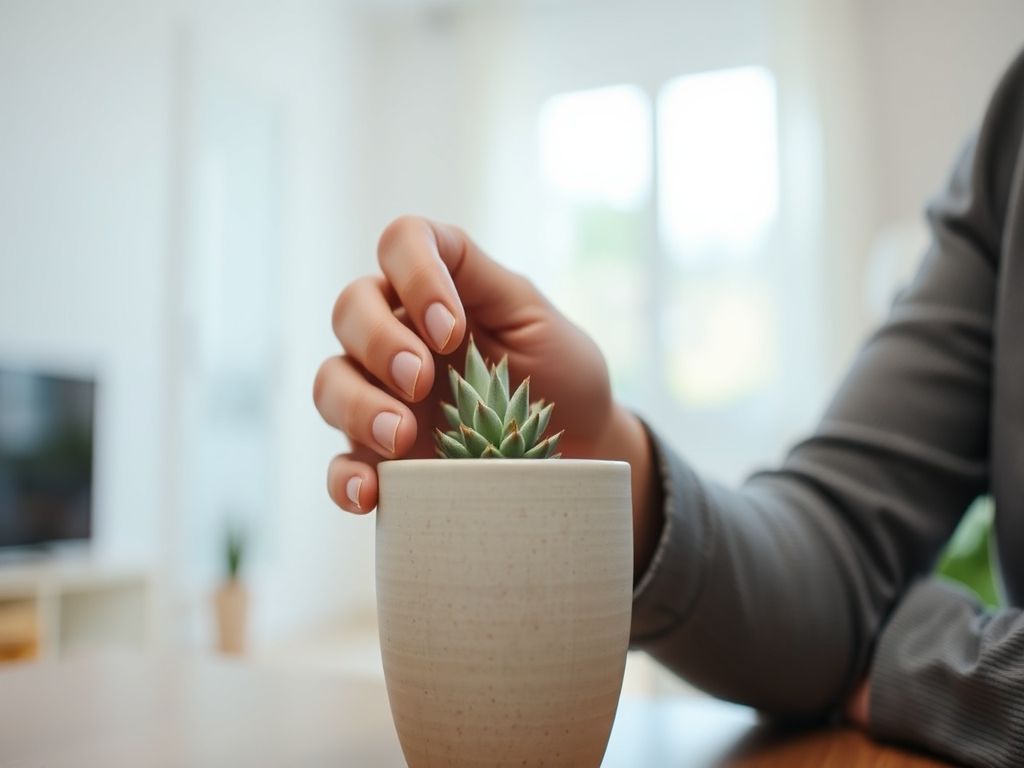
- How to Check: Before watering, insert your finger about 2 inches deep into the soil. If it feels moist, wait. You can also use a wooden skewer; if it comes out clean and dry, it's time to water.
- Watering Method: When it's time to water, give the plant a thorough soak. Water until you see water draining from the bottom of the pot. This ensures the entire root ball is hydrated. For a 4-inch pot, approximately 100-150ml of water might be sufficient for a thorough soak. Immediately empty any standing water from the saucer to prevent the roots from sitting in moisture. Never mist succulents, as this can lead to fungal issues and doesn't provide adequate hydration.
- Warning: Wrinkled or shrivelled leaves usually indicate underwatering, which is far easier to fix than overwatering. Plump, soft, translucent leaves are a clear sign of overwatering and impending rot.
Soil: Drainage is Key
Just as important as proper watering is the right soil. Succulents require a well-draining soil mix that allows water to pass through quickly and doesn't retain too much moisture around the roots. Standard potting soil is typically too dense and holds too much water, posing a significant risk of root rot.
- Ideal Mix: A good succulent soil mix often consists of 50% potting soil, 25% perlite or pumice, and 25% coarse sand. This blend provides the necessary aeration and drainage. You can buy pre-made succulent and cactus mixes, which are generally a safe bet.
- Pots with Drainage: Always plant succulents in pots that have at least one drainage hole at the bottom. Terracotta pots are excellent choices because their porous nature allows the soil to dry out more quickly, preventing excess moisture.
- Avoid: Never use pots without drainage holes, as this is a guaranteed path to root rot. Also, avoid adding a layer of gravel at the bottom of the pot, as this actually creates a 'perched water table' that keeps the soil above it wetter for longer, contrary to common belief.
Temperature and Humidity: A Comfortable Climate
Most succulents prefer warm, dry conditions, mirroring their natural desert habitats. They thrive in an ideal temperature range of 18-29°C (65-85°F) during their active growing season. While they can tolerate slightly cooler temperatures, they are not frost-hardy and should be protected from freezing conditions. In practice, typical indoor room temperatures are usually perfectly suitable.
- Avoid Extremes: Protect your succulents from sudden temperature fluctuations or cold drafts from open windows or air conditioning vents. Consistent moderate temperatures are best.
- Humidity: Succulents prefer low to moderate humidity. High humidity can encourage fungal growth and make the plant more susceptible to rot, especially if coupled with infrequent airflow. Most indoor environments in single-person apartments are generally fine in terms of humidity.
Propagating Your Succulents: Expanding Your Green Family
One of the most rewarding aspects of growing succulents is their incredible ability to propagate, allowing you to easily create new plants from existing ones. This is a fantastic way to expand your collection or share with friends without additional cost. There are several common methods, each surprisingly simple.
Leaf Cuttings
This method is perfect for many rosette-forming succulents like Echeveria, Sedum, and Graptopetalum.
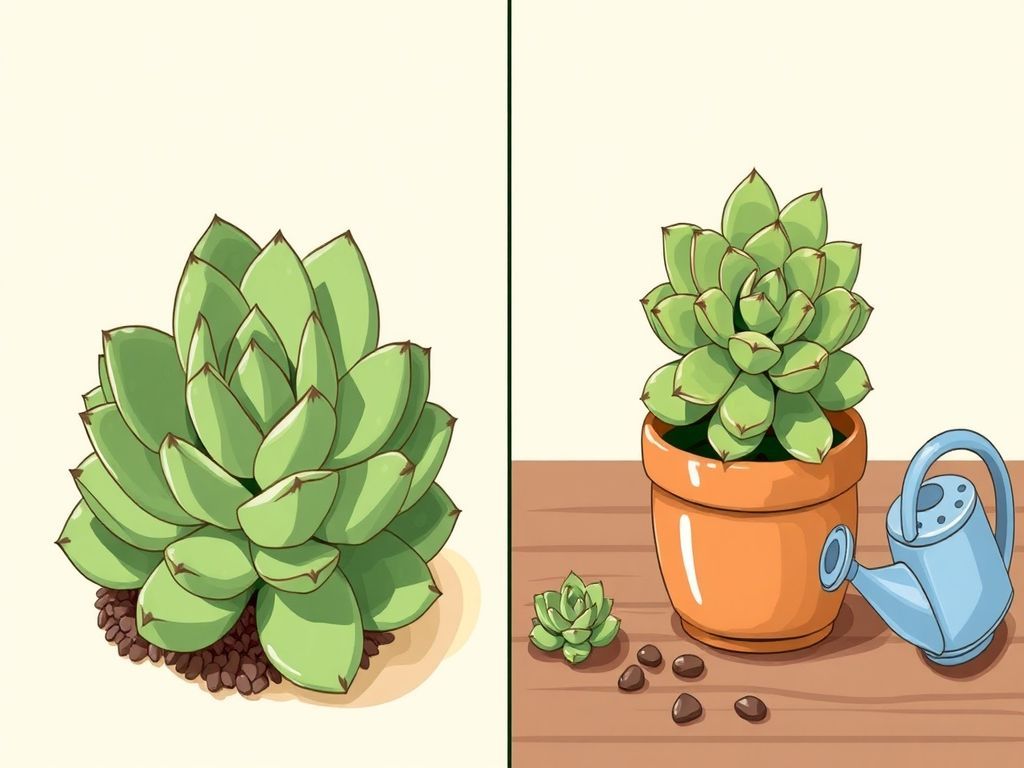
- Select a Healthy Leaf: Gently twist a healthy, plump leaf from the stem, ensuring the entire base of the leaf remains intact. A clean break at the stem is crucial for successful propagation.
- Callus: Lay the detached leaves on a dry surface in a warm, indirect light location for 2-3 days. This allows the cut end to 'callus over,' forming a protective seal that prevents rot when planted.
- Planting: Once callused, place the leaves on top of a tray filled with well-draining succulent soil. Do not bury them.
- Wait for Roots and Pups: In 3-6 weeks, tiny roots and a 'pup' (a miniature new succulent) will begin to emerge from the callused end. Lightly mist the soil around the roots every few days once they appear.
- Separate: Once the pup is large enough and the original leaf has shrivelled and fallen off, you can gently transplant the new succulent into its own small pot.
Stem Cuttings
Ideal for taller, branching succulents like Crassula 'Jade Plant' or Senecio 'String of Pearls'.
- Take a Cutting: Using clean, sharp scissors or a knife, cut a healthy stem section that is at least 5-10 cm (2-4 inches) long. Remove the lower leaves from the cutting.
- Callus: Allow the stem cutting to callus over for 3-7 days in a dry, indirect light spot. This is vital to prevent rot.
- Planting: Once callused, insert the bottom end of the stem cutting into well-draining succulent soil. You can use a rooting hormone, though it's often not necessary.
- Watering: Do not water immediately. Wait about a week after planting for roots to begin forming. Then, water sparingly, only when the soil is completely dry.
For example, if you have a leggy Senecio 'String of Pearls,' taking a few 10 cm stem cuttings, allowing them to callus for 5 days, and then planting them in a new pot can quickly create a fuller, healthier plant.
Common Challenges and Troubleshooting for Succulent Owners
Even with the best intentions, you might encounter a few common issues when growing succulents. The good news is that most problems are easily identifiable and treatable.
Pests: Keeping Unwanted Guests Away
Succulents are generally robust, but they can occasionally fall prey to pests, especially if stressed or kept in poor conditions.
- Mealybugs: These are the most common succulent pest. They appear as small, white, cottony masses, often in leaf axils or on the undersides of leaves. They feed on plant sap and can weaken your plant. To treat, dip a cotton swab in 70% isopropyl alcohol and directly dab it onto each mealybug. Repeat this treatment every 5-7 days for 2-3 weeks to catch any newly hatched pests. Isolate affected plants immediately.
- Fungus Gnats: Small, dark flies that hover around the soil. They are usually a sign of overwatering, as they lay eggs in consistently moist soil. Reduce watering frequency and ensure the top layer of soil dries out completely between waterings. Sticky traps can help monitor and reduce adult populations.
Rot: The Silent Killer
As mentioned, overwatering is the primary cause of rot. Rot manifests as soft, mushy, discolored stems or leaves. It spreads quickly and can be fatal if not addressed promptly.
- Identification: Look for blackened, soft areas on the stem or leaves that feel squishy to the touch. The plant may also start to smell foul.
- Action: If you suspect rot, immediately unpot the plant and inspect the roots. Cut away all affected, mushy, or blackened parts of the roots and stem with a sterile knife. Leave the healthy parts to callus for several days before repotting in completely fresh, dry, well-draining succulent soil. Do not water for at least a week after repotting.
Etiolation: Stretching for Light
Etiolation occurs when a succulent doesn't receive enough light, causing it to stretch and grow tall and leggy with widely spaced leaves. This is a clear warning sign from your plant.
- Identification: The stem elongates, and the leaves become sparse and often lighter in color. The plant's compact, rosette form is lost.
- Action: Move the plant to a brighter location where it can receive the recommended 6-8 hours of direct sunlight. While the etiolated growth won't revert, new growth will be compact and healthy. You can 'behead' the plant by cutting off the leggy top section, allowing it to callus, and then replanting it to create a more desirable shape. The remaining stem may also sprout new pups.
Elevating Your Space: Styling Succulents in Small Apartments
Succulents aren't just easy to care for; they are also incredibly versatile for styling, particularly in the compact environments of single-person apartments. Their diverse forms and minimal needs make them perfect decorative elements.
- Vertical Gardens and Shelves: Maximize vertical space by arranging small succulents on tiered shelves or in wall-mounted planters. This creates an eye-catching display without occupying precious floor or counter space. Consider a minimalist metal shelf unit to house 5-7 different small succulent pots.
- Terrariums (with caution): While visually appealing, terrariums for succulents require careful consideration. Ensure they are open or have excellent ventilation to prevent humidity buildup, which can lead to rot. Use a shallow layer of well-draining soil and select plants with similar light and water needs. For example, a wide, shallow glass bowl with an assortment of small Echeveria, Haworthia, and Sempervivum can create a beautiful mini-landscape.
- Mix and Match Varieties: Combine different succulent types with varying colors, textures, and growth habits in a single planter for visual interest. For example, grouping 3-5 different small succulents like a 'Moonstone' (Pachyphytum oviferum), a 'String of Pearls' (Senecio rowleyanus), and a small Echeveria in a decorative ceramic tray can create a dynamic focal point.
- Minimalist Pots: Choose pots that complement your apartment's decor. Simple ceramic, terracotta, or concrete pots in neutral colors often highlight the succulent's natural beauty without overwhelming the space. Consider small, geometric pots for a modern touch.
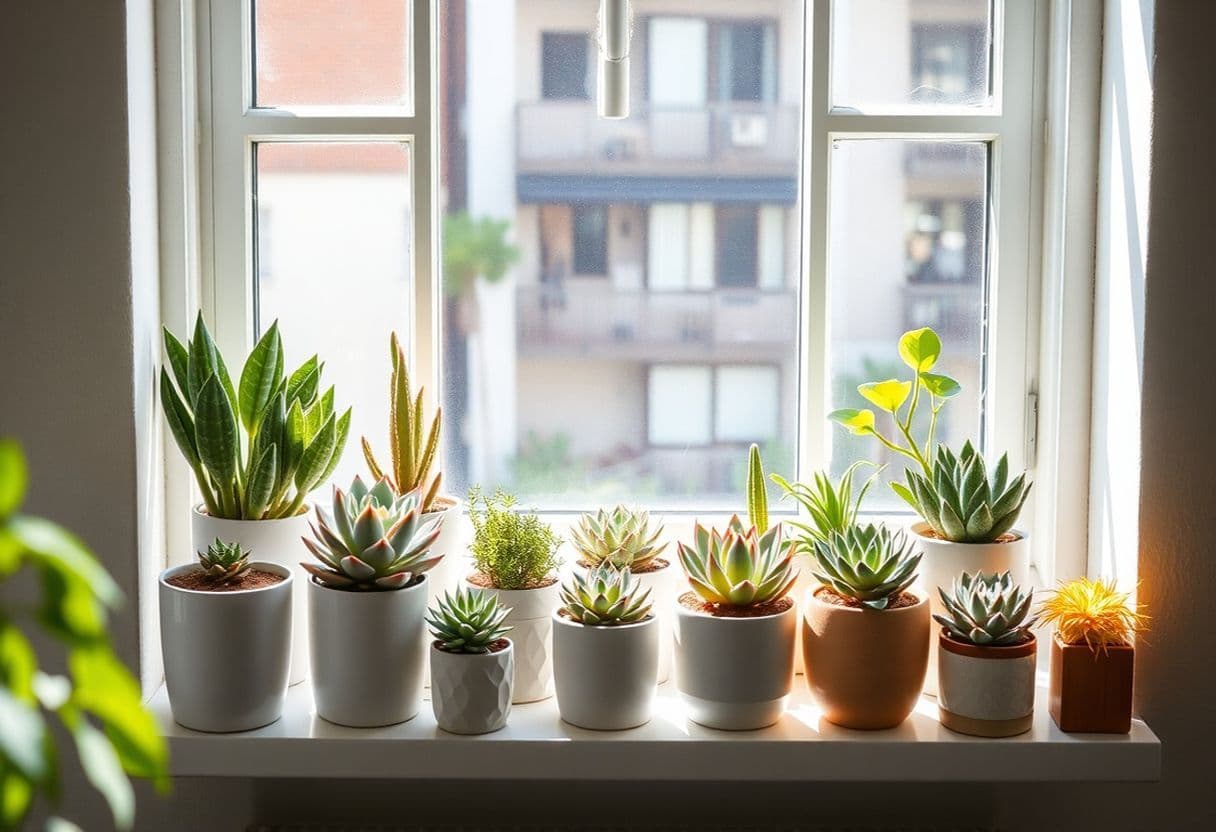
- Windowsill Collections: Utilize your windowsills for a sunny display. Line up several small succulents in uniform pots for a clean, cohesive look, or mix them up for an eclectic collection.
Conclusion
Embracing succulents in your single-person household is a journey into effortless gardening, bringing beauty and tranquility to your daily life without the high demands of traditional houseplants. We've covered the essential aspects, affirming that succulents are indeed low-maintenance, requiring specific light, water, and soil conditions to flourish. Furthermore, understanding and addressing common issues like overwatering or insufficient light will empower you to troubleshoot effectively. Your specific action to take today: select one small succulent that catches your eye, bring it home, and place it in a bright, sunny spot. Begin your green adventure; your new plant companion awaits!
Previous
Energy Saving Habits: A Guide for Your New Home
Next
Growing Succulents: The Ultimate Guide for Single Households
More in Lifestyle

Energy Saving Habits: A Guide for Your New Home
Energy saving is crucial when moving. Discover practical habits and smart home upgrades to reduce utility bills, minimize your carbon footprint, and create an eco-efficient new home.
Basic Car Maintenance: Your Essential Guide Before Moving
Master basic car maintenance with this essential guide. Learn pre-move checks, fluid care, and tire safety to ensure your vehicle is reliable for any journey.