Children's Room Design Ideas: Creating Spaces for Growth
Key Takeaways
Discover creative children's room design ideas for every age and stage. Learn practical tips for safety, functionality, and fostering creativity in your child's space.
Children's Room Design Ideas: Creating Spaces for Growth
Designing a child's room is an exciting journey that blends creativity with practicality, aiming to craft a space that supports growth, learning, and play. It's more than just aesthetics; it's about creating a personal sanctuary that evolves with your child. In this comprehensive guide, you will learn three key aspects: foundational principles for successful children's room design, practical strategies for maximizing space and ensuring safety, and how to create an environment that encourages imagination and adapts to different developmental stages.
Understanding the Core Philosophy of Children's Room Design
A child's room is arguably the most dynamic space in any home, constantly shifting to meet new developmental milestones. Approaching its design requires more than just picking a paint color; it demands a philosophy centered on the child's evolving needs. This foundational understanding ensures that the decisions you make today will continue to serve your child's best interests for years to come, providing a stable yet stimulating environment.
What Key Principles Guide Children's Room Design?
Effective children's room design is built upon several core principles that prioritize the child's well-being and development. Ignoring these can lead to a space that is either unsafe, uninspiring, or quickly outgrown.
- Safety First: This is non-negotiable. All furniture must be secure, materials non-toxic, and potential hazards mitigated. For example, furniture such as dressers and bookshelves should always be anchored to the wall to prevent tip-overs, a common cause of injury in young children. According to the U.S. Consumer Product Safety Commission, a child is injured by tipping furniture every 15 minutes.
- Flexibility and Adaptability: Children grow rapidly, and their interests change even faster. Design the room to easily adapt. Choose furniture that can serve multiple purposes or adjust in height, such as a convertible crib that transforms into a toddler bed and then a daybed.
- Stimulation and Creativity: The room should encourage imagination, learning, and play. Integrate elements that invite exploration, like a designated art corner or a reading nook with comfortable seating and a small library of books.
- Comfort and Serenity: While stimulating, the room must also be a peaceful retreat for rest. Soft textures, appropriate lighting, and a calm color palette contribute to a sense of security and relaxation, essential for a child's sleep, which ideally spans 10-14 hours for toddlers and 8-10 hours for school-aged children.
- Accessibility and Independence: Empower your child by making items accessible. Low shelves for toys and books, hooks at their height for coats, and light switches with easily reachable extenders foster a sense of independence and control over their own space.
Warning: A common mistake is designing a room that is too rigid or overly themed, making it difficult and expensive to update as the child's preferences change. Opt for a neutral base and introduce themes through easily replaceable accessories.
Designing for Different Ages and Stages
The needs of a newborn vastly differ from those of a teenager, making age-appropriate design crucial. Understanding these differences allows for thoughtful planning that supports each developmental phase.
Nursery (0-2 years)
For infants, the focus is on safety, comfort, and functionality for parents. The room should be a serene haven for sleep and care.
- Essentials: A sturdy crib meeting current safety standards, a comfortable glider or rocking chair for feeding and cuddling, and a changing station with ample storage for diapers and wipes.
- Lighting: Soft, dimmable lighting is vital. Consider a nightlight that provides a gentle glow without disturbing sleep cycles.
- Materials: Choose non-toxic paints with low VOC (Volatile Organic Compounds) – ideally less than 50 g/L – and natural, washable fabrics.
Toddler & Preschooler (2-5 years)
As children gain mobility and curiosity, the room transforms into a play and exploration zone.
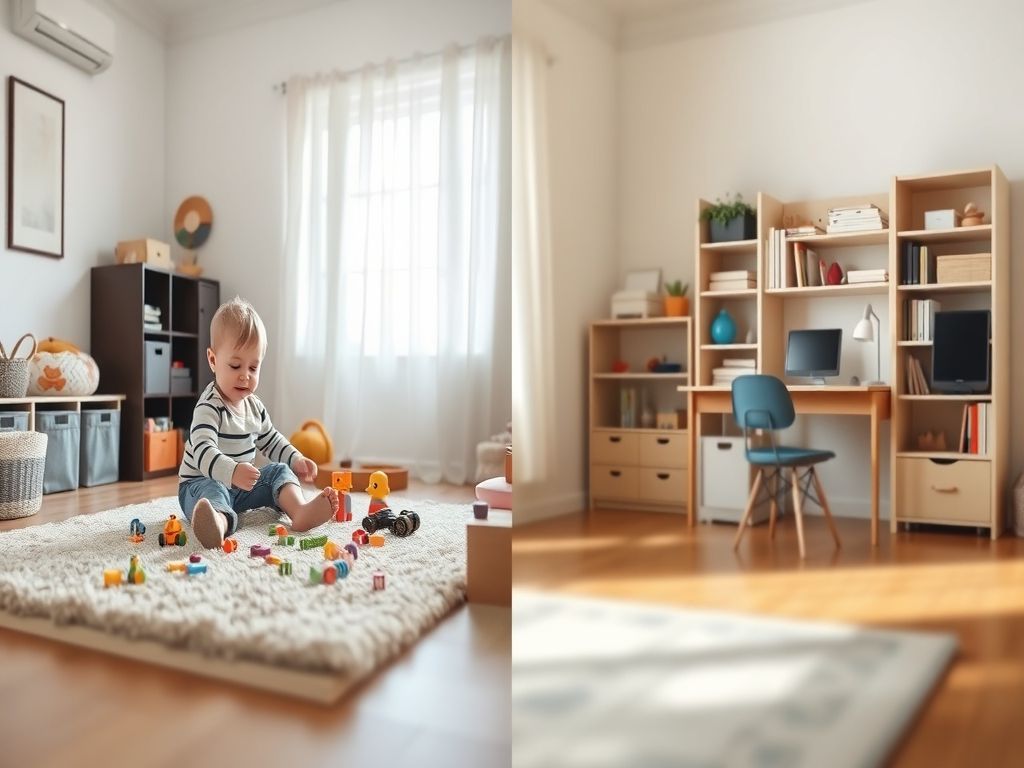
- Play Space: Designate a clear, open area for play. Include low, accessible shelving for toys, making clean-up easier for small hands. A small table and chairs for drawing or crafts can be a wonderful addition.
- Safety Adjustments: Secure all furniture, cover electrical outlets, and install safety gates if the room is on a higher floor. Ensure cords from blinds or curtains are tied up and out of reach.
- Bed Transition: Transition from a crib to a toddler bed or a twin bed with a safety rail.
School-Aged Children (6-12 years)
This stage introduces a greater emphasis on learning, hobbies, and developing individual interests.
- Study Zone: A dedicated desk and ergonomic chair are essential for homework. Ensure adequate task lighting, such as a desk lamp with a minimum of 800 lumens, to prevent eye strain.
- Storage for Hobbies: Provide storage tailored to their interests, whether it's shelves for book collections, bins for art supplies, or wall mounts for musical instruments.
- Personalization: Encourage your child to contribute to the decor. This could involve displaying their artwork or choosing bedding patterns. For example, a magnetic wall or corkboard allows them to frequently update their displayed creations without damaging walls.
Teenagers (13+ years)
Teenagers seek a space that reflects their identity, provides privacy, and accommodates their growing independence and social life.
- Study & Relax: A robust study area with a comfortable chair and good lighting is paramount. Integrate a comfortable seating area, perhaps a bean bag or a small sofa, where they can relax or host friends.
- Tech Integration: Plan for charging stations and proper cable management for their devices.
- Personal Expression: Allow them significant input on the color scheme, furniture, and decor. This fosters ownership and ensures the space truly feels like theirs.
Practical Design Elements and Considerations
Beyond age-specific needs, several practical elements contribute to a well-designed children's room.
How Can You Maximize Space and Functionality?
Many children's rooms are not expansive, making smart space utilization a priority.
- Multi-functional Furniture: Opt for pieces that serve dual purposes. A bed with integrated drawers underneath can provide 0.5-1 cubic meter of essential storage. A desk that folds down from the wall or a bench with hidden storage are excellent examples.
- Vertical Storage: Utilize wall space with tall bookshelves, floating shelves, or wall-mounted cubbies. This keeps the floor clear for play. Specifically, a floor-to-ceiling shelving unit can provide up to 300% more storage than a standard low dresser in the same footprint.
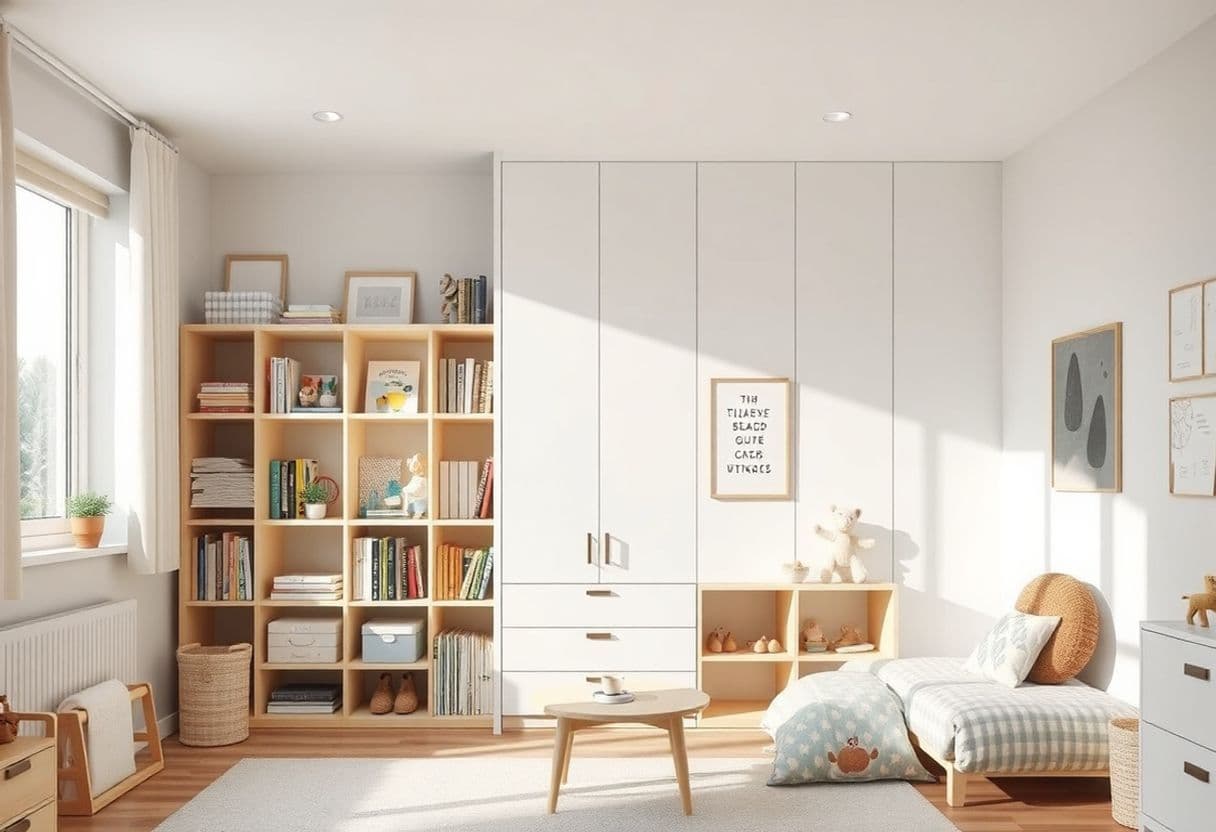
- Smart Layout: Arrange furniture to create clear pathways and distinct zones for sleep, play, and study. For instance, placing the bed against the longest wall frees up central floor space.
- Under-bed Storage: Rolling bins or drawers under the bed are perfect for toys, seasonal clothes, or extra bedding, keeping clutter out of sight.
Why is Safety Paramount in a Child's Room?
Safety is not just a suggestion; it's a fundamental requirement for any child's space. Overlooking even small details can have serious consequences.
- Secure Furniture: Always anchor heavy furniture like dressers, bookshelves, and TV stands to the wall using anti-tip kits. These inexpensive kits can prevent furniture from toppling over, which is responsible for hundreds of thousands of emergency room visits annually for children under 6.
- Non-Toxic Materials: Choose paints, finishes, and furniture made from non-toxic, child-safe materials. Look for certifications like GREENGUARD Gold.
- Window Safety: Install cordless blinds or shades to eliminate strangulation hazards. Window guards or stops should be used on windows above the ground floor to prevent falls, ensuring they only open 10-15 cm.
- Electrical Safety: Cover all unused electrical outlets with childproof caps. Keep cords from lamps and electronics neatly tucked away and out of reach.
- Rugs and Flooring: Ensure rugs have non-slip backings to prevent trips and falls. Opt for low-pile carpets or area rugs that are easy to clean and resist allergens.
Warning: Never underestimate a child's climbing abilities. What seems out of reach today may be an inviting challenge tomorrow. Regularly reassess the room for new hazards as your child grows.
Lighting: More Than Just Illumination
Proper lighting can dramatically impact a child's mood, productivity, and sleep quality.
- Natural Light: Maximize natural light with sheer curtains or blinds that allow light in while offering privacy.
- Ambient Lighting: A central ceiling fixture provides overall illumination. Dimmers are highly recommended for adjusting brightness to suit different activities, from energetic play to calming bedtime routines.
- Task Lighting: Essential for study desks and reading nooks. A good quality desk lamp or wall-mounted light focused on the work area reduces eye strain. For example, a lamp providing at least 500 lux on the desk surface is recommended for reading and writing.
- Night Lights: A subtle night light can comfort younger children and provide enough light for parents during nighttime checks without fully waking the child.
Color Schemes and Thematic Approaches
Color plays a significant role in setting the mood and stimulating the senses. Thoughtful color choices can create a harmonious and inviting atmosphere.
- Psychology of Color:
- Blues and Greens: Often associated with calmness and tranquility, ideal for sleep areas.
- Yellows: Can evoke cheerfulness and creativity but should be used in moderation as too much can be overstimulating.
- Reds and Oranges: Energizing and warm, best used as accents rather than dominant colors, especially in younger children's rooms, to avoid overstimulation.
- Balancing Vibrancy with Calm: While bright colors can be fun, a room dominated by intense hues can be overwhelming. Consider a neutral base (e.g., soft gray, beige, or white) on walls, then introduce pops of vibrant color through accessories like bedding, curtains, and artwork. This approach makes it simple and cost-effective to update the room's look as tastes change.
- Avoiding Overly Rigid Themes: A room entirely dedicated to a specific cartoon character or trend can quickly become dated. Instead, opt for broader themes (e.g., 'adventure,' 'nature,' 'space,' 'fairytale') that can be expressed through subtle decor, removable wall decals, or textiles. For example, a 'space' theme can be achieved with glow-in-the-dark stars on the ceiling, a rocket-ship-shaped bookshelf, and planet-themed bedding, rather than a full mural that is hard to change.
- Involving Your Child (When Age-Appropriate): As children grow, involve them in color choices and thematic elements. Giving them a choice between two or three pre-approved color palettes or theme ideas can empower them and ensure they love their space.
Storage Solutions: Taming the Toy Tsunami
One of the biggest challenges in a child's room is managing the constant influx of toys, books, and clothes. Effective storage is key to maintaining order and fostering a sense of calm. Without it, clutter can quickly overwhelm the space.
- Varied Storage Types:
- Open Shelving: Ideal for displaying books and frequently used toys, encouraging children to choose and put away items themselves. Ensure shelves are securely fastened and hold a safe weight, typically 15-20 kg per shelf.
- Closed Bins and Baskets: Excellent for containing smaller items, blocks, or plush toys, keeping them out of sight. Fabric bins are soft and safe, while clear plastic bins help children see what's inside.
- Drawers and Cabinets: Provide more permanent storage for clothes, craft supplies, or less frequently used items.
- Wall-Mounted Organizers: Pockets or cubbies on the back of doors or walls can store small treasures, art supplies, or even shoes, maximizing often-unused vertical space.
- Encouraging Organization: Design storage systems that are easy for your child to use independently. Label bins with pictures for younger children and words for older ones. Specifically, a system where each toy category (e.g., 'building blocks,' 'art supplies,' 'stuffed animals') has its own clearly designated bin can significantly reduce clean-up time and frustration.
- Declutter Regularly: Children accumulate items quickly. Plan to declutter their room at least 3-4 times a year, perhaps with the change of seasons or before birthdays and holidays. Involve your child in deciding what to keep, donate, or discard.
- Warning: Resist the urge to buy too much storage upfront. This can lead to filling empty spaces with unnecessary items. Start with essential storage and add more as needed, focusing on quality over quantity. An overabundance of storage can also make the room feel cramped and less inviting.
Bringing it All Together: Personalization and Growth
The most successful children's rooms are those that feel deeply personal and allow for continuous evolution. It's about creating a space that is a true reflection of the child inhabiting it, rather than a static showroom.
- Involving the Child in Design Choices: As mentioned earlier, give your child a voice. This doesn't mean letting them dictate every decision, but offering choices within a curated selection. For example, let them pick between two different rugs or a few art prints. This fosters a sense of ownership and pride in their room. Studies show that children who have input in their environment are more likely to keep it tidy and respect it.
- Creating a Dynamic Display:
- Gallery Wall: Dedicate a wall or a section of a wall to display their artwork, school achievements, and cherished photos. Use clipboards, magnetic strips, or string and clothespins for easy rotation and updates.
- Collections: If your child collects anything – rocks, action figures, small toys – create a special display shelf or cabinet for these items. This celebrates their interests and teaches them organization.
- DIY and Personal Touches:
- Hand-Painted Accents: A simple mural or stenciled design on one wall can add character without overwhelming the space.
- Customized Furniture: Paint a plain dresser a vibrant color or add unique knobs.
- Handmade Decor: Involve your child in making some of the decorations, like stringing up handmade paper stars or painting small canvases.
- Designing for Growth, Not Just the Present: When making larger purchases, like beds or desks, consider items that will last. A solid wood twin bed can serve a child from toddlerhood through their teenage years. A simple, well-designed desk can accommodate various study needs.
Common Mistake: Failing to anticipate future needs. Buying a character-themed bed that a child will outgrow in 2-3 years, or installing built-in features that cannot be easily modified, are examples of short-sighted design. Always think 3-5 years ahead when making significant investments.
Frequently Asked Questions About Children's Room Design
Q: How often should a child's room be redecorated?
A: A complete redecoration isn't necessary very often, but small updates are beneficial. Major changes, such as new furniture or a full repaint, might occur every 5-7 years to align with significant developmental stages (e.g., moving from a toddler bed to a twin, or from elementary to middle school). However, accessories, artwork, and textiles can be updated annually or semi-annually to reflect evolving interests without a full overhaul. This keeps the space fresh and engaging.
Q: What are some budget-friendly children's room design tips?
A: To design on a budget, focus on DIY projects, upcycling, and strategic shopping. Repaint existing furniture, use wall decals instead of expensive wallpaper, or create your own art. Look for second-hand furniture that can be refreshed with paint and new hardware. Prioritize multi-functional items, such as storage benches, and invest in a neutral base that can be easily updated with inexpensive accessories like throw pillows, posters, and removable wall stickers.
Q: What are the best types of flooring for a child's room?
A: The best flooring for a child's room is durable, easy to clean, and comfortable. Low-pile carpet or carpet tiles are popular choices for warmth and cushioning, reducing noise and impact from falls. Hardwood or laminate flooring is also excellent, especially when paired with area rugs for softness in play zones. Avoid high-pile carpets, which can trap allergens and are harder to clean. Ensure any rugs have non-slip backings to prevent accidents.
Conclusion
Designing a children's room is an opportunity to create a truly special environment that nurtures their development and reflects their unique personality. By focusing on foundational principles such as safety, adaptability, and stimulation, you can craft a space that grows with your child. Remember to prioritize practical elements like smart storage and proper lighting, ensuring the room is both functional and inviting. Finally, embrace the power of personalization, involving your child in choices that make the space uniquely theirs.
Your actionable step today: Take 15 minutes to observe your child's current room. Identify one small area where you could implement a storage solution or add a personal touch that aligns with their current interests. Start small, and enjoy the process of creating a cherished space for your child.