Suneung Preparation: A Guide for High-Stakes Exam Success

Key Takeaways
Master Suneung preparation strategies. This guide offers proven methods for high-stakes exams, perfect for job seekers tackling professional certifications. Learn study plans, time management, and mental resilience for success.
Suneung Preparation: A Guide for High-Stakes Exam Success
The journey toward a career-defining moment, whether it's a university entrance exam like South Korea's highly competitive Suneung (College Scholastic Ability Test), a professional certification, or a critical job interview, is often paved with intense preparation. The strategies employed by high school students preparing for the Suneung offer a masterclass in tackling high-stakes assessments, providing invaluable lessons for anyone facing similar academic or professional challenges. This comprehensive guide will delve into these proven methodologies, offering practical advice applicable to job seekers and professionals aiming to excel in their own critical examinations. By the end of this article, you will understand how to construct a robust, personalized study plan, master a range of effective study techniques, and cultivate the mental resilience necessary to thrive under pressure.
Understanding High-Stakes Exams: What Makes Them Unique?
High-stakes examinations, exemplified by the Suneung, are more than just tests of knowledge; they are comprehensive assessments of a candidate's intellectual stamina, strategic thinking, and emotional fortitude. In South Korea, the Suneung is a single, rigorous examination taken over approximately 8 hours, covering multiple subjects from Korean language and mathematics to English, social studies/science, and a second foreign language. Its outcome significantly shapes a student's university admissions and, by extension, their career trajectory. For job seekers, similar pressures apply to exams such as the CFA, PMP, CPA, or specialized technical certifications, where success can unlock new career opportunities and significantly impact professional standing.
What truly differentiates these exams is their profound impact and the intense competition they entail. Unlike regular quizzes, the stakes are exceptionally high, often representing the culmination of years of study or professional experience. The sheer breadth of the syllabus, coupled with strict time limits per section, demands not only deep understanding but also efficient problem-solving skills. The risk of underestimating the scope and difficulty of such exams is a common pitfall. Many candidates focus solely on rote memorization without developing the critical thinking and application skills essential for nuanced questions. A robust preparation strategy must address both breadth and depth, ensuring comprehensive coverage and the ability to apply knowledge effectively under pressure.
Crafting Your Comprehensive Suneung Preparation Study Plan: How Should You Begin?
Effective preparation for any high-stakes exam begins with a meticulously crafted study plan. This isn't just a schedule; it's a strategic roadmap that guides your efforts, optimizes your time, and keeps you accountable. For Suneung candidates, this often means a plan spanning months, if not a full year, of intensive study. For job seekers, this translates to adapting the same rigorous planning to their specific certification or interview preparation timelines.
Phase 1: Assessment and Goal Setting
Before diving into textbooks, you must first understand your current position. Begin with a diagnostic assessment to identify your strengths and, more importantly, your weaknesses. This could be a mock Suneung paper, a practice certification exam, or even a self-assessment against job requirements. For example, a candidate preparing for an IT certification might take a preliminary practice test to pinpoint specific knowledge gaps in networking or cybersecurity.
Based on this assessment, set SMART goals:
- Specific: 'Improve my math score by 15 points' is better than 'Get better at math.'
- Measurable: Quantifiable targets allow you to track progress.
- Achievable: Goals should be challenging but realistic. Aiming to master an entire subject in a week is often counterproductive.
- Relevant: Ensure your goals align directly with the exam's requirements and your overall objective.
- Time-bound: Assign deadlines to each goal. For a Suneung candidate, this might involve setting monthly targets for subject mastery, culminating in a full review cycle 2 months before the exam.
Phase 2: Resource Allocation
Identify all necessary study materials. This includes official textbooks, past papers, online courses, reputable study guides, and potentially tutoring sessions. Avoid the common mistake of collecting too many resources without utilizing them effectively. Prioritize quality over quantity, focusing on materials that are directly relevant to the exam syllabus. Specifically, for Suneung, official past papers from the Korea Institute for Curriculum and Evaluation (KICE) are considered indispensable, offering the most accurate representation of exam style and difficulty.
Phase 3: Schedule Creation
Translate your goals and resources into a concrete, actionable schedule. This should include daily, weekly, and monthly components. A typical Suneung preparation schedule might allocate 3-4 hours daily for focused study sessions, broken down into manageable blocks. Consider techniques like the Pomodoro Technique (25 minutes of focused work followed by a 5-minute break) to maintain concentration. Integrate regular review sessions into your weekly plan to reinforce learning. For example, dedicate every Sunday afternoon for 3 hours to review all material covered during the week.
Key elements of an effective study schedule include:
- Prioritize difficult subjects: Allocate more time to areas where you struggle the most. If a specific mathematical concept consistently trips you up, dedicate an extra 45 minutes to it three times a week.
- Allocate time for review: Spaced repetition is critical. Plan to revisit topics at increasing intervals (e.g., 1 day, 3 days, 7 days, 14 days) to solidify memory.
- Include breaks and exercise: Burnout is a real threat. Schedule short breaks every hour and longer breaks (30-60 minutes) every few hours. Incorporate at least 30 minutes of physical activity 3-5 times a week.
- Flexibility: While a schedule is crucial, it shouldn't be rigid. Life happens. Build in some buffer time and be prepared to adjust your plan as needed without losing sight of your overall objectives. A job seeker preparing for a PMP exam might allocate 2 hours for project management theory, 1 hour for practice questions, and 30 minutes for review daily, but allow for adjustments if a critical work task arises.
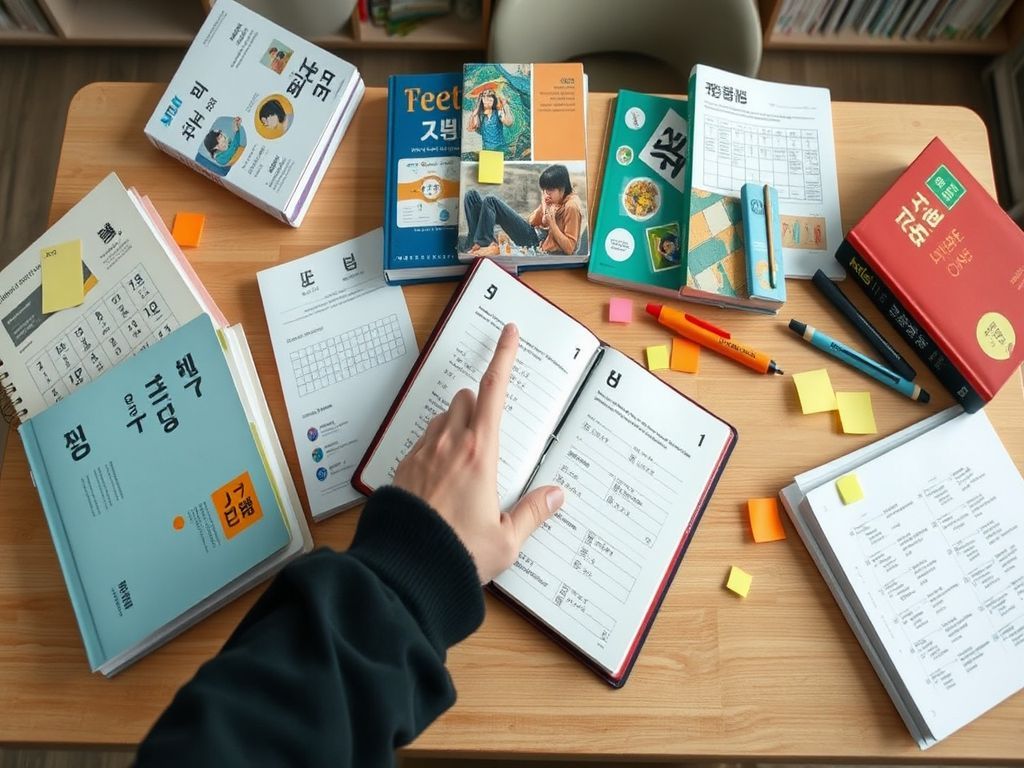
Mastering Effective Study Techniques: What Strategies Yield the Best Results?
Simply putting in hours is not enough; the quality of your study matters immensely. Suneung veterans know that active, strategic learning techniques are far more effective than passive absorption. These methods are universally applicable to any high-stakes exam.
Active Recall
Instead of passively rereading notes, actively retrieve information from your memory. This strengthens neural pathways and helps you identify what you truly know versus what you merely recognize. In practice, after reading a chapter on economic principles, close the book and try to explain the concepts aloud in your own words, or write down everything you remember. Flashcards, self-quizzing, and practice questions are excellent tools for active recall. For example, when studying for a legal certification, after reviewing a specific case, try to recall the key arguments, precedents, and outcomes without looking at your notes.
Spaced Repetition
This technique involves reviewing material at increasing intervals over time. It leverages the 'forgetting curve' by re-exposing you to information just as you're about to forget it, reinforcing memory. Software like Anki is popular for implementing spaced repetition with flashcards, but you can also do it manually. Specifically, review initial concepts after 1 day, then 3 days, 7 days, 14 days, and so on. This method is particularly effective for memorizing formulas, definitions, and historical dates.
Practice with Past Papers and Mock Exams
This is arguably the single most important preparation strategy for high-stakes exams. For the Suneung, students will often complete 10 or more full past papers under timed conditions. This not only familiarizes you with the exam format and question types but also helps you develop critical time management skills and identify persistent weaknesses. Treat each mock exam as the real thing, simulating the environment as closely as possible.
After completing a mock exam:
- Analyze every mistake: Understand why you got a question wrong, not just that you got it wrong. Was it a lack of knowledge, a misinterpretation of the question, or a careless error?
- Review correct answers: Even if you got it right, could you have solved it more efficiently? Are there alternative approaches?
- Identify patterns: Are you consistently struggling with a particular subject area or question type? This indicates a need for targeted review.
- Refine strategy: Adjust your time allocation and problem-solving approach based on your performance.
Concept Mapping/Mind Mapping
Visual learners benefit greatly from concept mapping. This involves creating diagrams that visually represent relationships between ideas, theories, and facts. It helps to see the 'big picture' and how different pieces of information connect. For instance, a job seeker preparing for a business analyst interview might mind-map the entire software development life cycle, showing how each phase connects to the next and the key deliverables at each stage.
Other highly effective techniques include:
- Teach the material to someone else: Explaining concepts to another person (or even an imaginary one) forces you to organize your thoughts and identify gaps in your understanding.
- Summarize in your own words: After reading a complex topic, write a concise summary without referring to the original text.
- Use mnemonic devices: Acronyms, rhymes, and visual associations can be powerful tools for memorizing lists or sequences of information.
Nurturing Mental Resilience and Well-being During Intense Preparation
The psychological toll of preparing for high-stakes exams can be immense. Suneung students often face intense pressure, leading to stress, anxiety, and even burnout. Maintaining mental and physical well-being is not a luxury but a critical component of successful preparation. For job seekers, juggling work, family, and exam prep can be equally demanding.
Stress Management Techniques
Incorporate regular stress-relief practices into your daily routine. Mindfulness exercises, deep breathing techniques, and meditation can help calm your mind and improve focus. For example, taking a 15-minute walk outdoors after 2-3 hours of intense study can significantly reduce mental fatigue and improve concentration upon returning to your desk.
Prioritize Sleep and Nutrition
Sacrificing sleep for extra study hours is a common, yet detrimental, mistake. Sleep is essential for memory consolidation and cognitive function. Aim for a consistent 7-9 hours of quality sleep per night. Maintain a balanced diet rich in fruits, vegetables, and whole grains, and stay well-hydrated by drinking 2-3 liters of water daily. Avoid excessive caffeine and sugary snacks, which can lead to energy crashes and affect concentration.
Physical Activity
Regular exercise is a powerful stress reliever and mood booster. Even 30 minutes of moderate activity, 3-5 times a week, can significantly improve cognitive function, reduce anxiety, and enhance sleep quality. This could be anything from a brisk walk or jogging to cycling or yoga. The physical exertion helps clear your mind and provides a much-needed break from sedentary study.
Build a Support System
Connect with peers, mentors, or family members who understand your journey. Sharing your struggles and successes can provide emotional support and valuable perspectives. Study groups, when used effectively, can also be a source of motivation and accountability. Avoid isolating yourself, as social interaction is crucial for mental health during demanding periods.

Common Pitfalls and How to Avoid Them
Even with the best intentions, candidates often fall into common traps that hinder their progress. Recognizing and actively avoiding these pitfalls is crucial for maximizing your preparation efficiency.
1. Procrastination and Overwhelm
The Mistake: Delaying difficult tasks, leading to a build-up of work and overwhelming stress. For example, a student might repeatedly put off studying their weakest subject, only to face a massive, intimidating workload close to the exam.
The Solution: Break down large tasks into smaller, manageable steps. Instead of 'Study Math Chapter 5,' try 'Complete 10 practice problems from Math Chapter 5.' Set realistic daily goals and celebrate small victories to maintain momentum. The 'two-minute rule' – if a task takes less than two minutes, do it immediately – can also be highly effective.
2. Information Overload and Passive Learning
The Mistake: Trying to memorize every single detail without truly understanding the core concepts, or simply rereading notes without active engagement. This is like trying to drink from a firehose, and most of the water is wasted.
The Solution: Prioritize key concepts and focus on understanding principles rather than rote memorization. Actively engage with the material through summarizing, teaching, and problem-solving. Specifically, after learning a new theory, immediately try to apply it to 2-3 different scenarios to ensure true comprehension.
3. Neglecting Weak Areas
The Mistake: Gravitating towards subjects or topics you enjoy or find easy, while consistently avoiding areas where you struggle. This creates significant vulnerabilities that the exam will inevitably exploit.
The Solution: Actively identify and dedicate specific, consistent time to your weakest areas. If you find data analysis challenging for a business certification, commit to spending 1 hour on it every single day until you see improvement. A job seeker preparing for a coding interview might spend 80% of their time on data structures and algorithms, which they find challenging, rather than just practicing easy problems.
4. Insufficient Mock Exam Practice
The Mistake: Relying solely on studying content without practicing under timed, exam-like conditions. This leads to poor time management, unexpected test anxiety, and an inability to apply knowledge efficiently during the actual exam.
The Solution: Integrate regular, full-length mock exams into your schedule, especially in the final 2-3 months of preparation. Aim to complete at least 10 full past papers under timed conditions for a major exam. This builds stamina, refines your strategy, and helps you become comfortable with the pressure.
Conclusion
Preparing for a high-stakes examination like the Suneung offers invaluable lessons for anyone facing a critical academic or professional assessment. The principles of rigorous planning, active learning, and sustained well-being are universally applicable, whether you're a high school student aiming for university or a job seeker pursuing a career-defining certification.
To recap, three key elements underpin success in these challenging endeavors: Firstly, strategic planning is paramount, requiring a detailed, personalized study plan built on self-assessment and SMART goals. Secondly, active, data-driven study methods are crucial, moving beyond passive reading to techniques like active recall, spaced repetition, and extensive practice with past papers. Finally, mental and physical well-being are non-negotiable, demanding consistent attention to stress management, adequate sleep, nutrition, and physical activity to prevent burnout and maintain peak performance.
Your journey to success in any high-stakes exam begins today. Start by analyzing your current study habits and identify one small change you can implement today to make your preparation more effective. Whether it's scheduling a 30-minute review session for a weak topic or committing to 7 hours of sleep tonight, take that first concrete step towards mastering your challenge.